Are rare earths radioactive? Myth versus fact
Rare earths are not radioactive, but their ore often carries thorium and uranium. Where the risk comes from, how Brazil regulates it and what is exaggerated.
Topic
What they are, where they are found, what they are used for and why Brazil is at the center of the debate.
Rare earths are not radioactive, but their ore often carries thorium and uranium. Where the risk comes from, how Brazil regulates it and what is exaggerated.
Brazil has the second-largest rare earth reserves, but the figure fell from 21 to about 11 million metric tons. Here is what the revision means.
Understand rare earth separation: why nearly identical elements are so hard to split, how solvent extraction works and who dominates this step.
What an ionic clay rare earth deposit is, how it forms, why it draws interest and what its impacts are, with examples from China, Goiás and Minas Gerais.
What the neodymium-iron-boron magnet is, who invented it, why it's so strong, where it's used, why it has dysprosium and terbium, and why China leads.
Rare earths in Brazil in 2026, mapped and explained: the Goiás mine, the Minas Gerais and Bahia projects, the deposit types and the stage of each one.
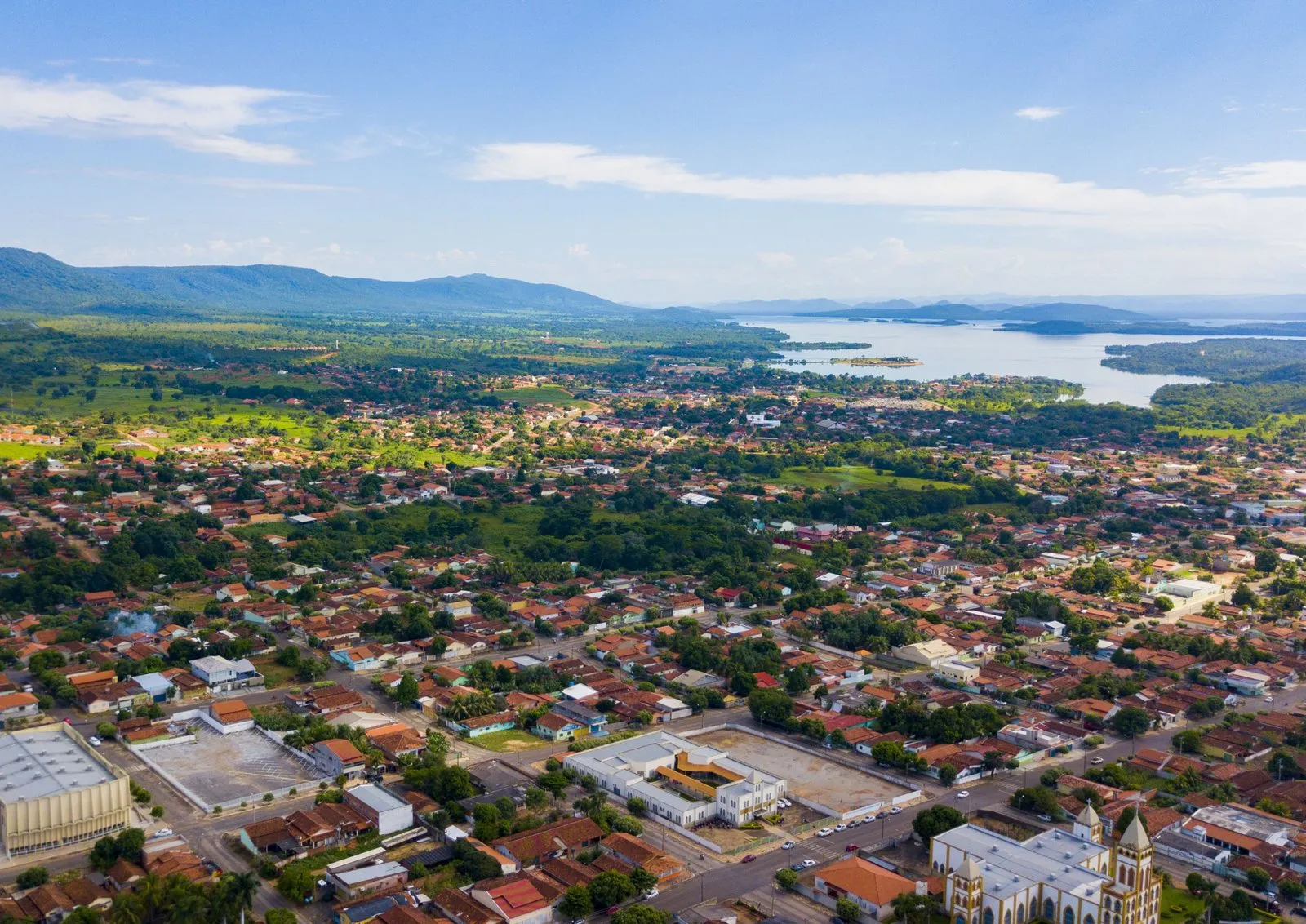
How Serra Verde's Pela Ema mine in Minaçu, Brazil, works: ionic clay, mining, concentrate, output, the sale to USA Rare Earth and licensing.
What rare earths are, where they show up in your daily life, why China dominates the sector and the role of Brazil, with the world's second-largest reserves.
How China came to control rare earth mining, refining and magnets, when it used that power, and what the US, Australia, Japan and Europe are doing.