Critical Minerals Council: how Brazil's new regulatory body works
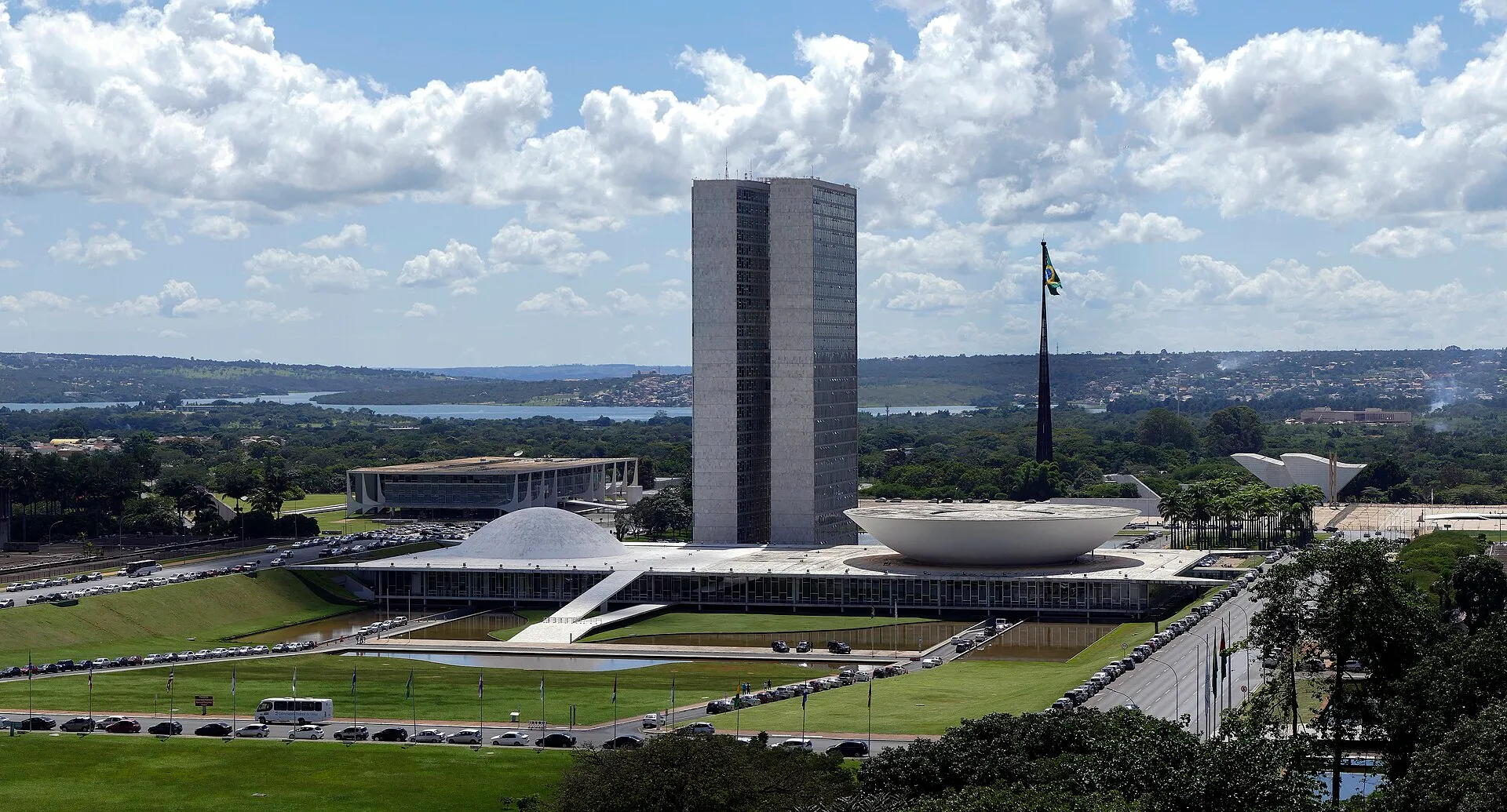
What is CIMCE, the council regulating critical and strategic minerals in Brazil, how it is structured and why the sector is watching closely.
Every article on the blog: in-depth guides and mining news explained with context.
What is CIMCE, the council regulating critical and strategic minerals in Brazil, how it is structured and why the sector is watching closely.
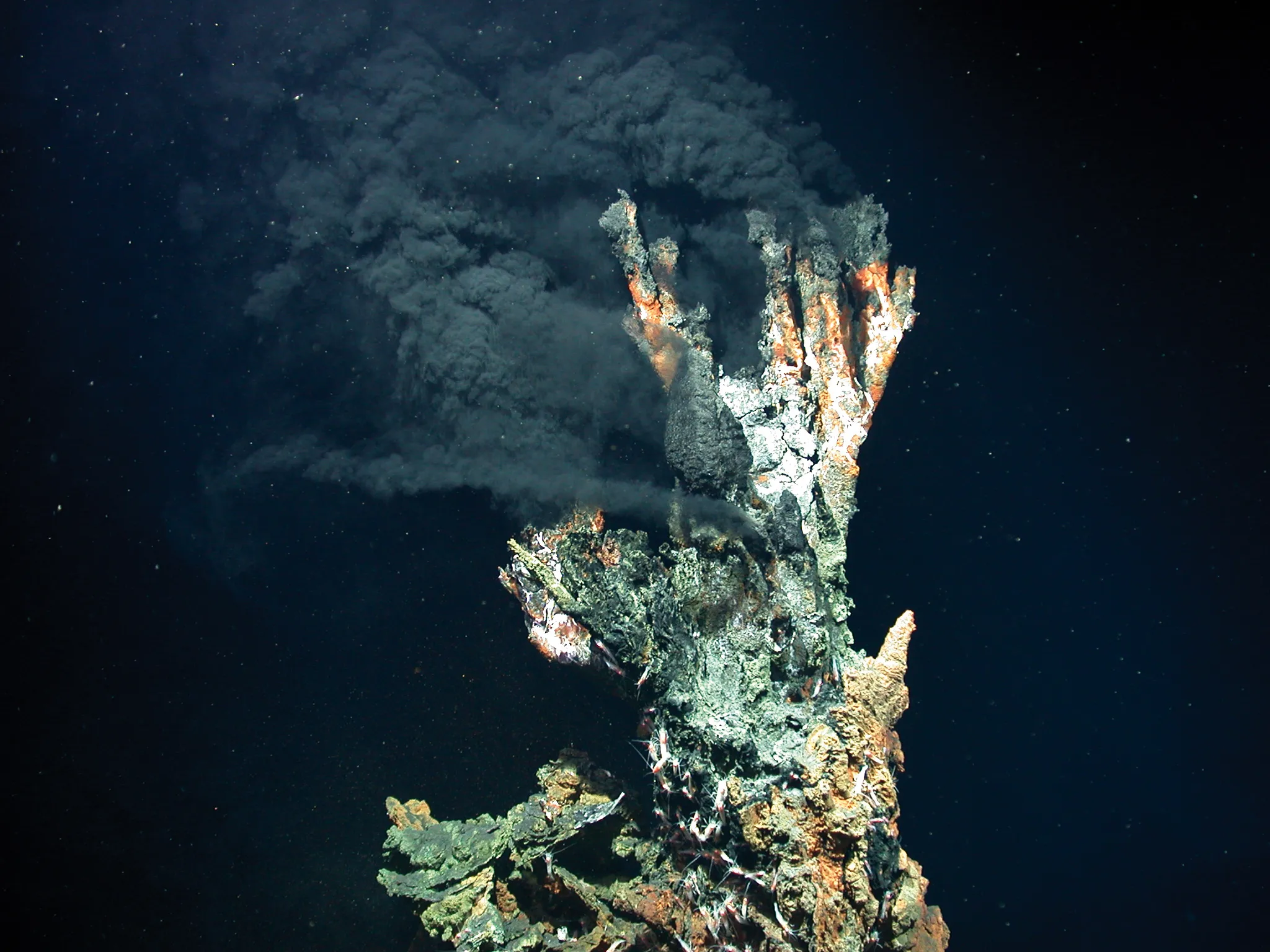
What deep-sea mining is, which minerals lie on the ocean floor, where Brazil is researching, and why the topic divides scientists, governments, and companies.
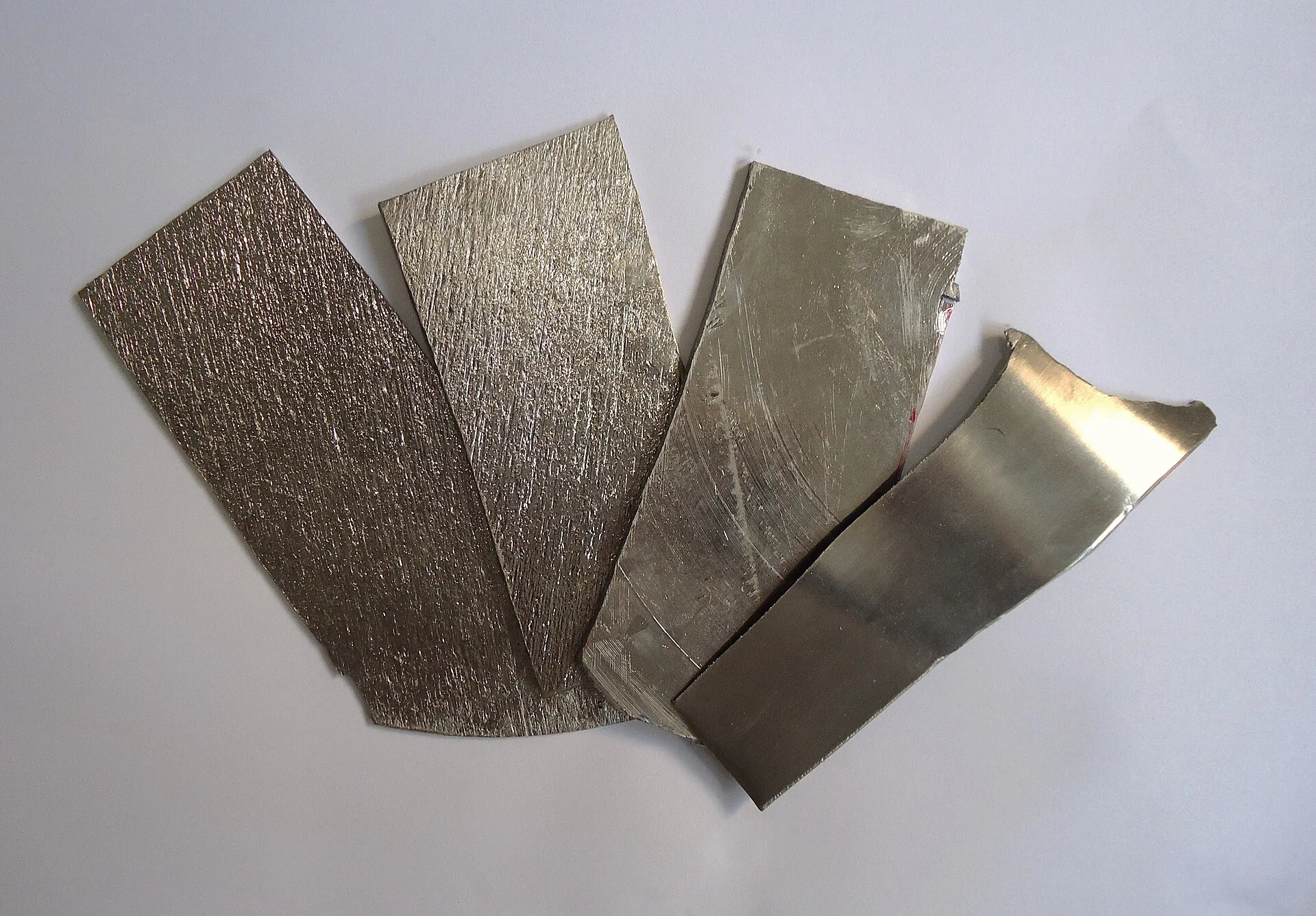
Niobium: learn what this metal is, why it makes steel stronger, what it is used for and how Brazil came to own almost all of world production.
Rare earths are not radioactive, but their ore often carries thorium and uranium. Where the risk comes from, how Brazil regulates it and what is exaggerated.
What Brazil's Law 15,506/2026, which created the National Policy on Critical and Strategic Minerals, provides: why it matters, pros, cons and what's next.
Brazil has the second-largest rare earth reserves, but the figure fell from 21 to about 11 million metric tons. Here is what the revision means.
Australia's Lynas agreed to buy Meteoric, owner of the Caldeira rare earth project in Poços de Caldas, Brazil. The deal and what is still pending.
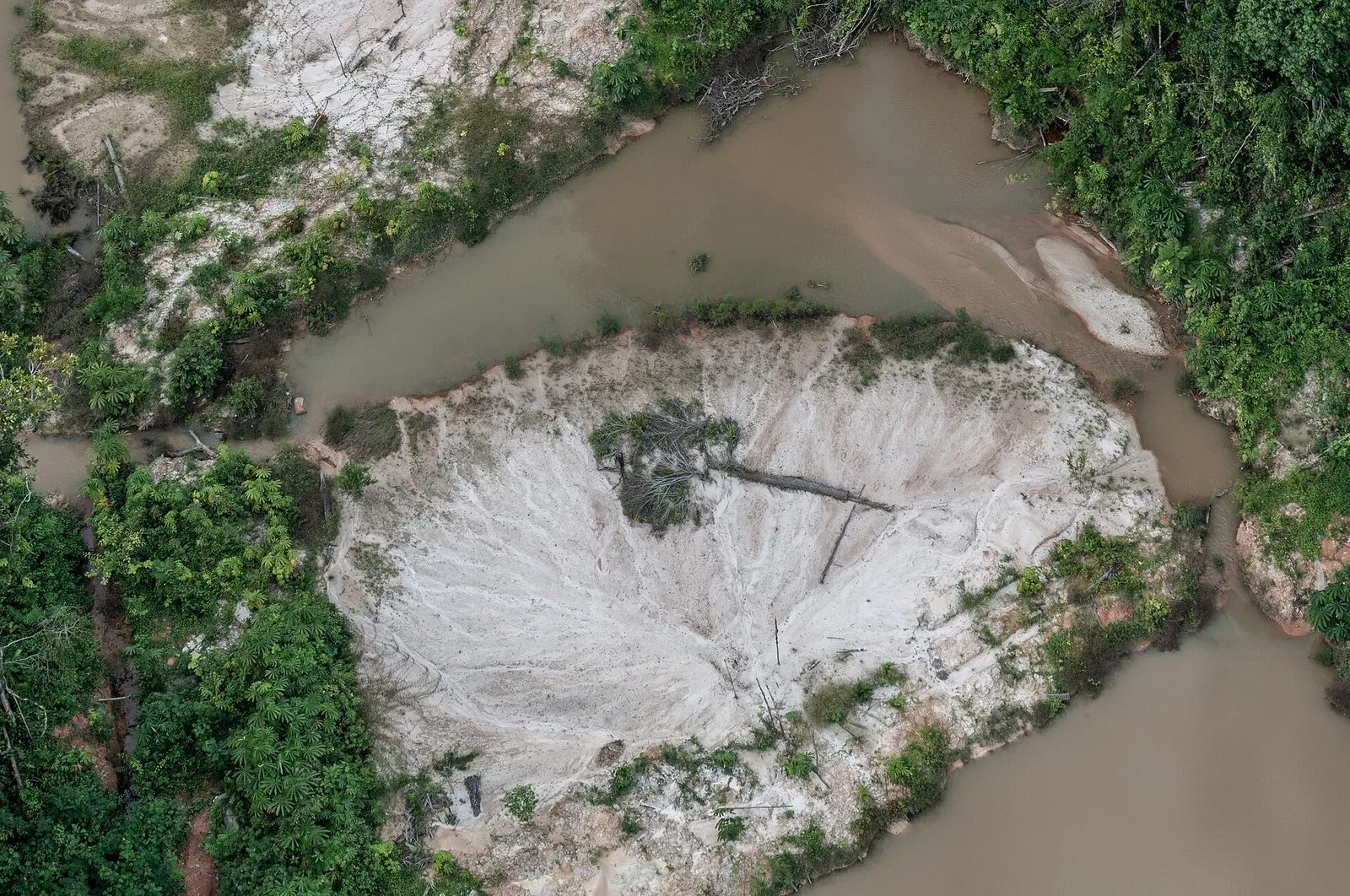
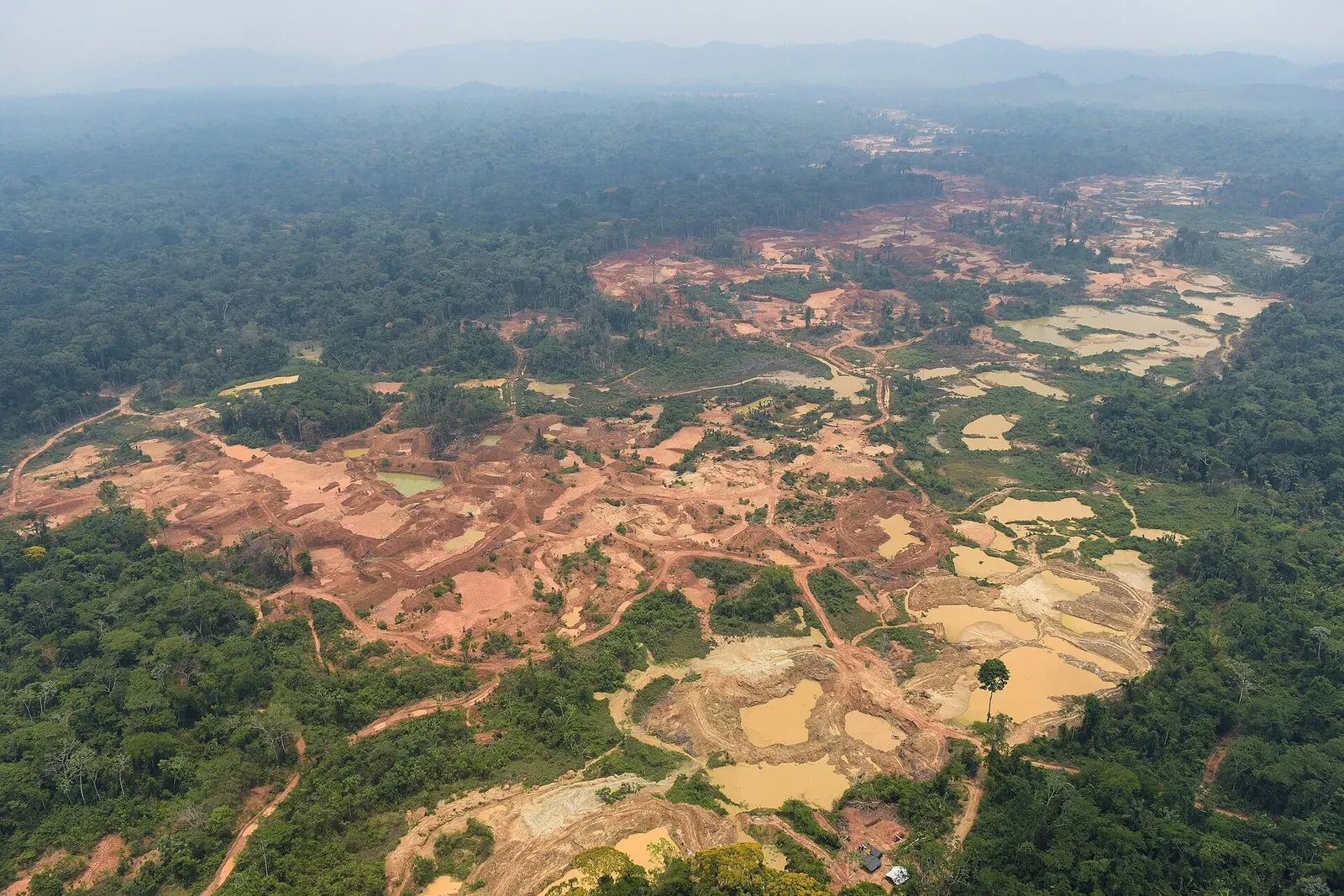
Water, soil, air, noise, wildlife and communities: the main environmental impacts of mining, how they differ from illegal wildcat mining and how to reduce them.
Environmental licensing of mining in Brazil: LP, LI and LO, EIA/Rima, public hearings, who issues licenses, deadlines and what changed with Law 15,190/2025.
Foreign firms hold 42% of rare earth exploration applications in Brazil and most of the advanced projects. See who they are and what the new law says.
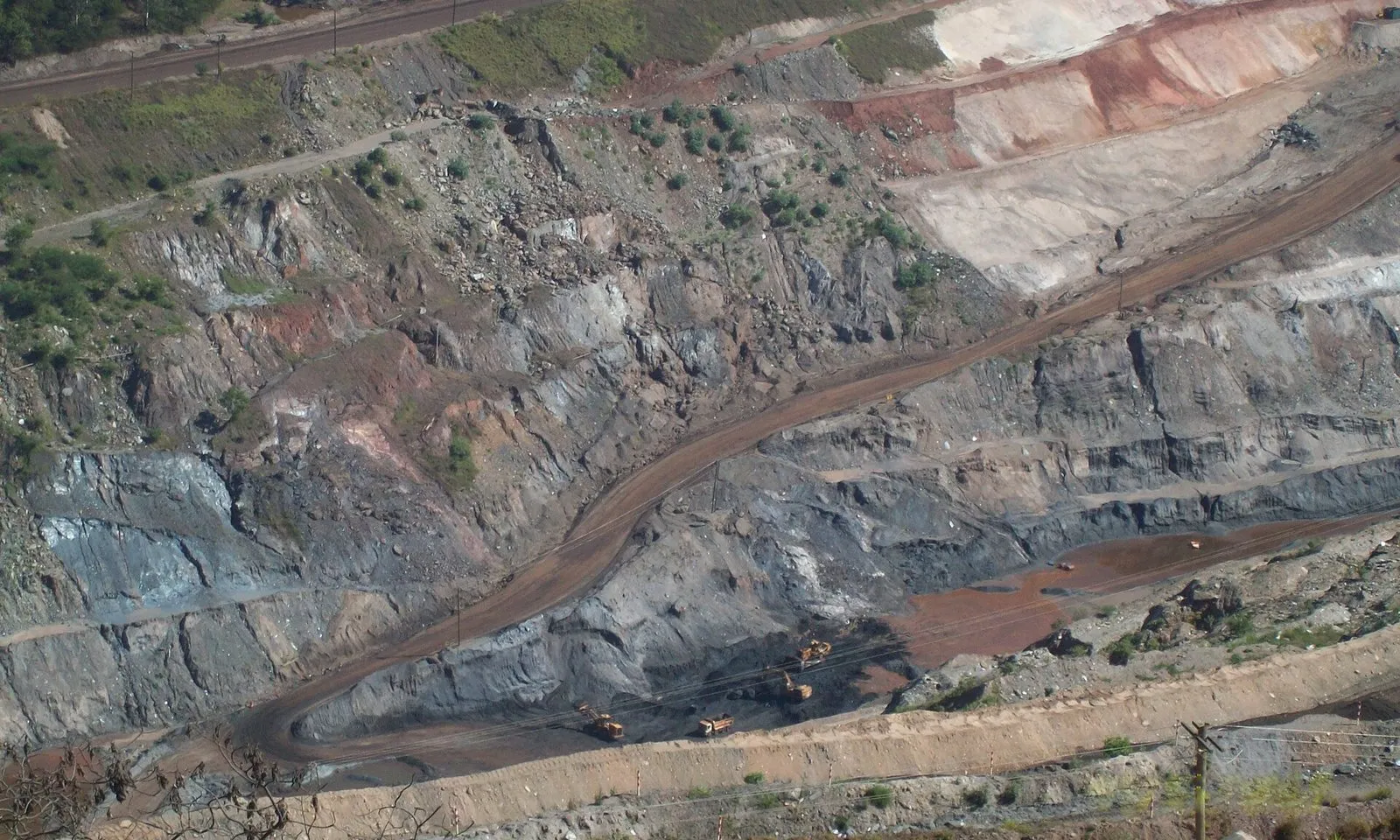
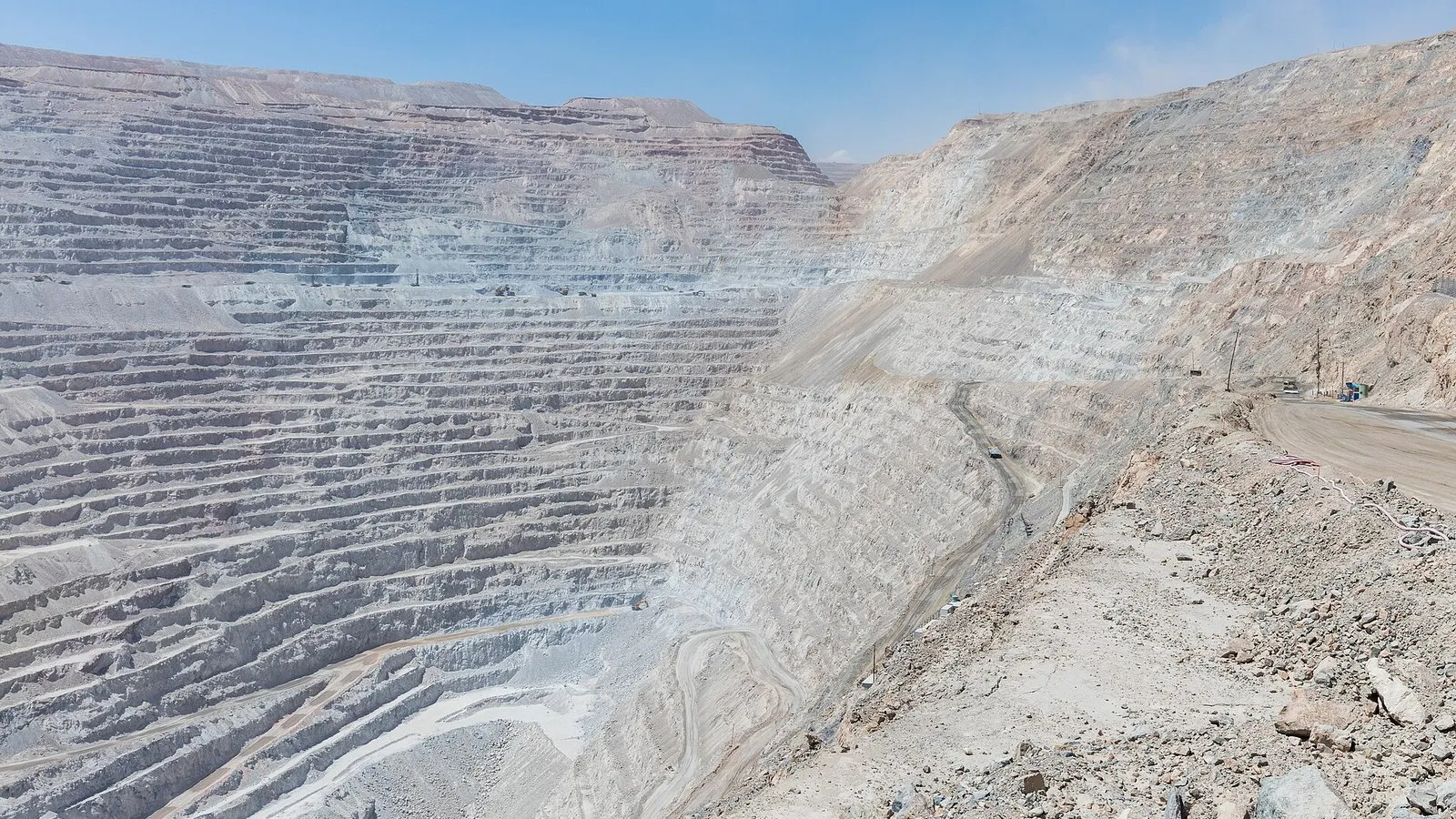
How a mine works in Brazil, step by step: mineral exploration, permits, open-pit or underground mining, mineral processing and closure.
Understand rare earth separation: why nearly identical elements are so hard to split, how solvent extraction works and who dominates this step.
What an ionic clay rare earth deposit is, how it forms, why it draws interest and what its impacts are, with examples from China, Goiás and Minas Gerais.
Lithium in Brazil's Jequitinhonha Valley: investment, GDP and royalties on one side; dust, cracked houses, water and quilombola consultation on the other.
How land degraded by mining is rehabilitated: closure plan, stability, revegetation, monitoring, future land use and abandoned mines in Brazil.
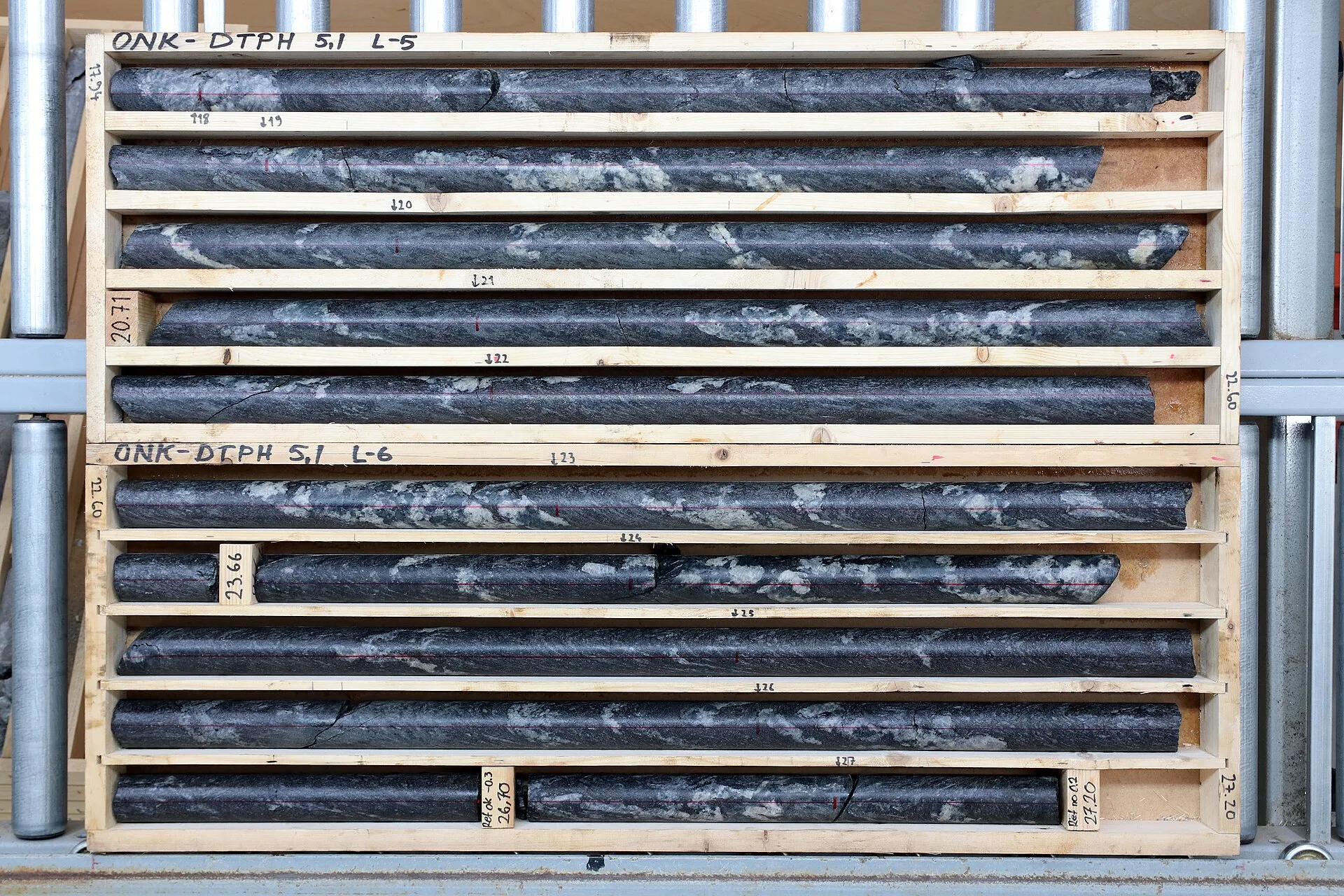
Mineral exploration explained: from geological maps to drilling, resource vs. reserve, the legal steps at Brazil's ANM and why it takes years and costs a lot.
The difference between mineral, rock and ore, with examples from Brazil, cutoff grade, gangue, waste rock, tailings and common exam traps.
Mineral processing step by step: crushing, grinding, classification, concentration, dewatering, grade and recovery, tailings, water and energy.
Sand, crushed stone, limestone, gypsum, clay, stone and iron: the minerals used in construction, how much is used, how it is licensed and the impacts.
Lithium, nickel, cobalt, graphite, copper, rare earths and aluminum: which minerals go into an electric car, where they are and in what amounts.
Which minerals are in fertilizers, where potassium, phosphate and agricultural lime come from, and why Brazil imports over 90% of its fertilizer.
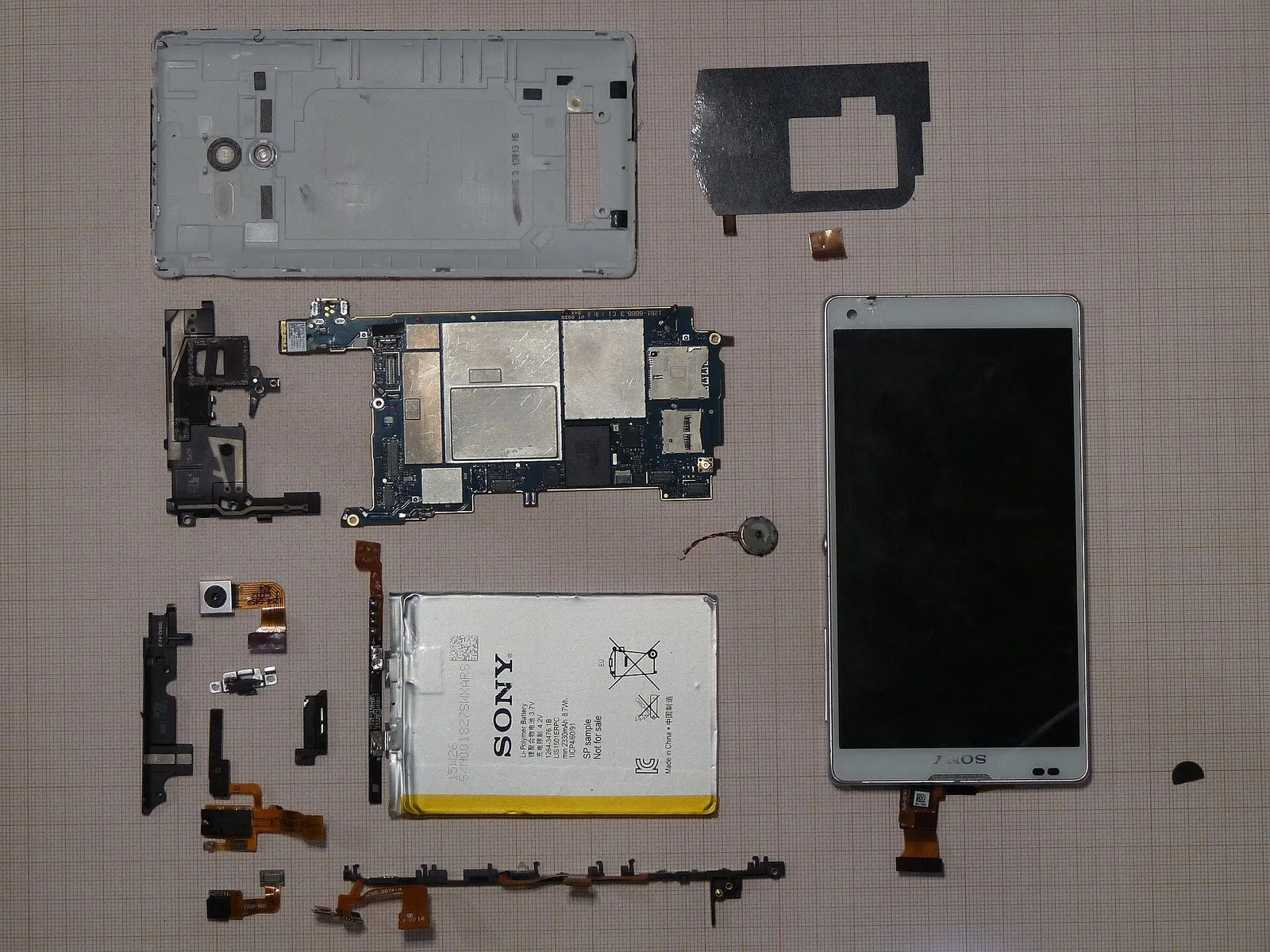
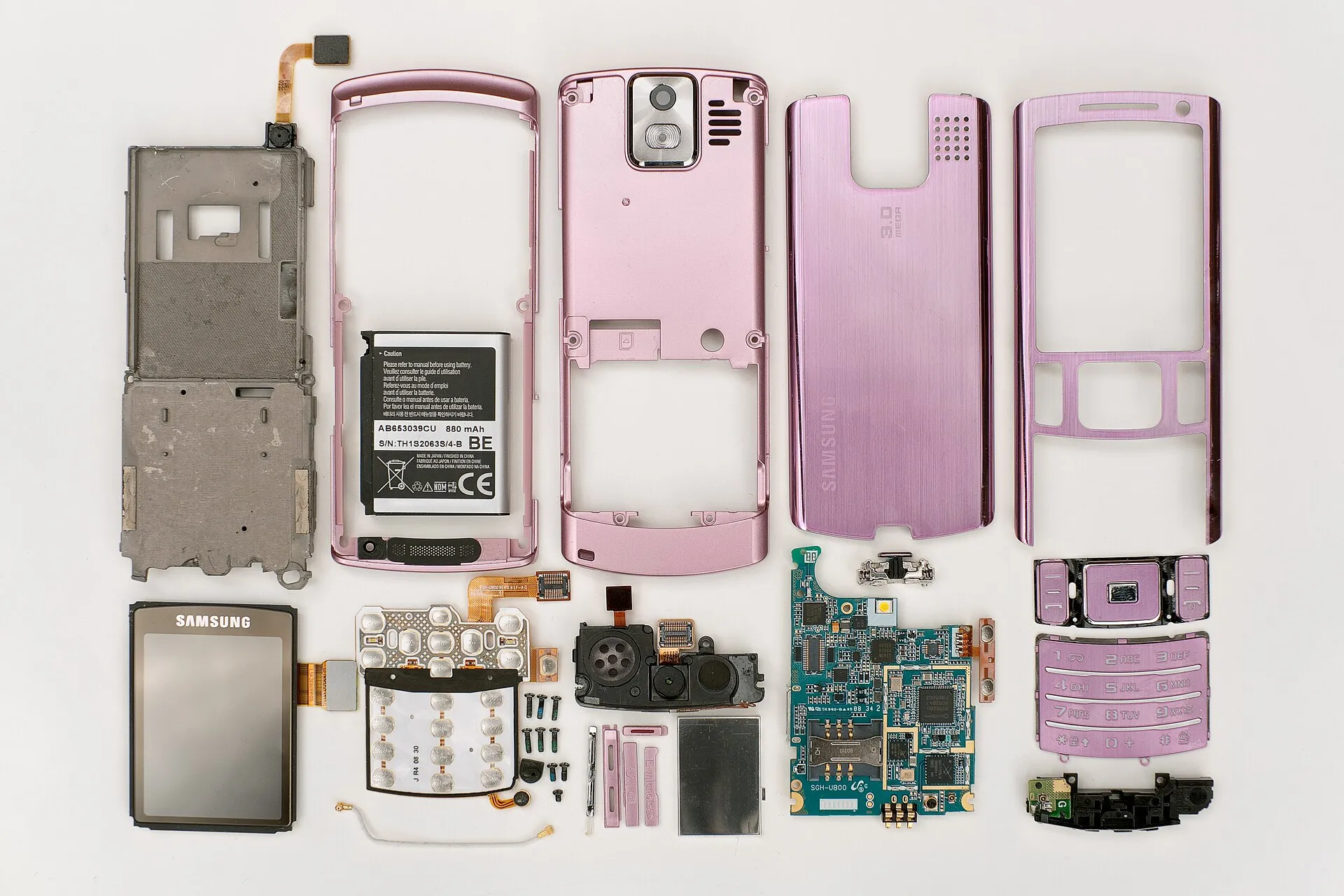
Lithium, cobalt, tin, tantalum, indium, copper, gold and rare earths: which minerals are in your phone, where they sit in the device and where they come from.
From the cement in your walls to the phone in your pocket: which minerals are in your home, kitchen, car and food, with data and sources.
Are mining and garimpo the same thing? Does every mine end up as an abandoned hole? What changed after Brumadinho? Myths and facts, with sources.
Brazil's Supreme Court gave Congress 24 months to regulate mining on Indigenous lands. See the bills under review, each side's arguments and what to watch.
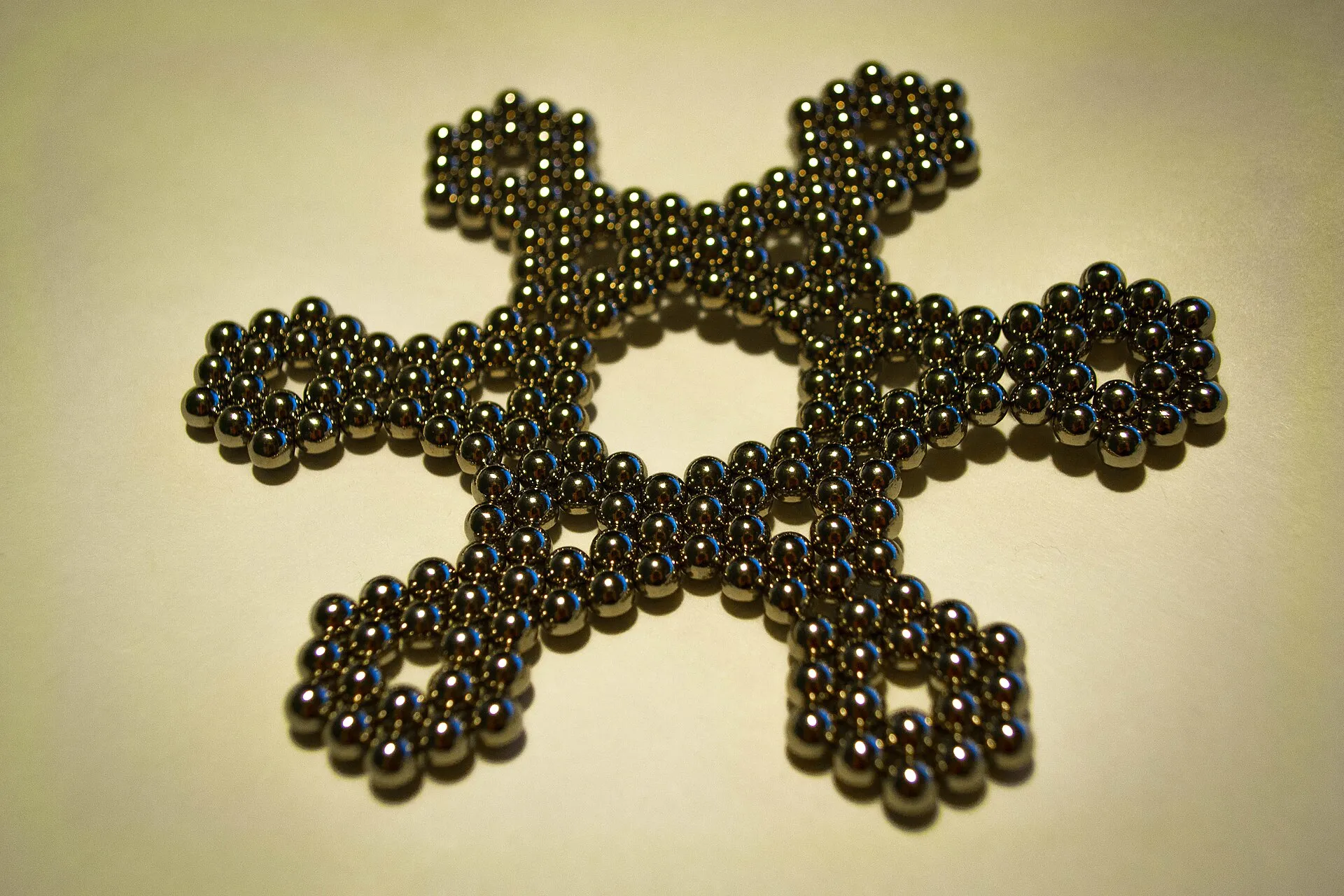
What the neodymium-iron-boron magnet is, who invented it, why it's so strong, where it's used, why it has dysprosium and terbium, and why China leads.
How engineers choose between open-pit and underground mines, what benches and drifts are, the main mining methods and when a pit turns into a tunnel.
Rare earths in Brazil in 2026, mapped and explained: the Goiás mine, the Minas Gerais and Bahia projects, the deposit types and the stage of each one.
How Serra Verde's Pela Ema mine in Minaçu, Brazil, works: ionic clay, mining, concentrate, output, the sale to USA Rare Earth and licensing.
What a tailings dam is, how it is built, why the upstream method is the riskiest, and what changed in Brazil's rules after Mariana and Brumadinho.
Urban mining recovers metals from discarded electronics and batteries. See how much it supplies, where it works and why it can't replace mines yet.
What critical and strategic minerals are under Brazil's Law 15,506/2026, who sets the list, how the US and EU do it, and why demand is growing.
What rare earths are, where they show up in your daily life, why China dominates the sector and the role of Brazil, with the world's second-largest reserves.
What a mining engineer does: areas of work, legal duties in Brazil, where they work and what it takes to practice the profession.
What is lithium used for? Learn what this metal is, where it comes from, how much goes into batteries and how Brazil produces spodumene in Minas Gerais.
How China came to control rare earth mining, refining and magnets, when it used that power, and what the US, Australia, Japan and Europe are doing.
A mine sold to a US company, talks with the United States, a new law and an election: why rare earths became a political issue in Brazil.