Rare earths: what they are, what they are used for and why Brazil matters
What rare earths are, where they show up in your daily life, why China dominates the sector and the role of Brazil, with the world's second-largest reserves.
Translated from the original article in Portuguese. Read the original.
They are in the motor of an electric car, in the turbine of a wind farm and in the speaker of your phone. Even so, few people know what they are. Rare earths have become a news topic, a source of dispute between countries and a matter of public policy in Brazil. This guide explains, in plain terms, what these elements are, what they are used for and why Brazil is at the center of the conversation.
In short
- Rare earths are a group of 17 chemical elements: the 15 lanthanides, plus scandium and yttrium.
- Despite the name, they are not rare. The hard part is finding them concentrated enough to be worth mining.
- Their main use worldwide is in making permanent magnets, key parts of electric motors and wind turbines.
- China accounts for most of the mining and about 85% to 90% of the refining, according to the International Energy Agency (IEA).
- Brazil has the world’s second-largest reserves, but still produces little.
What are rare earths?
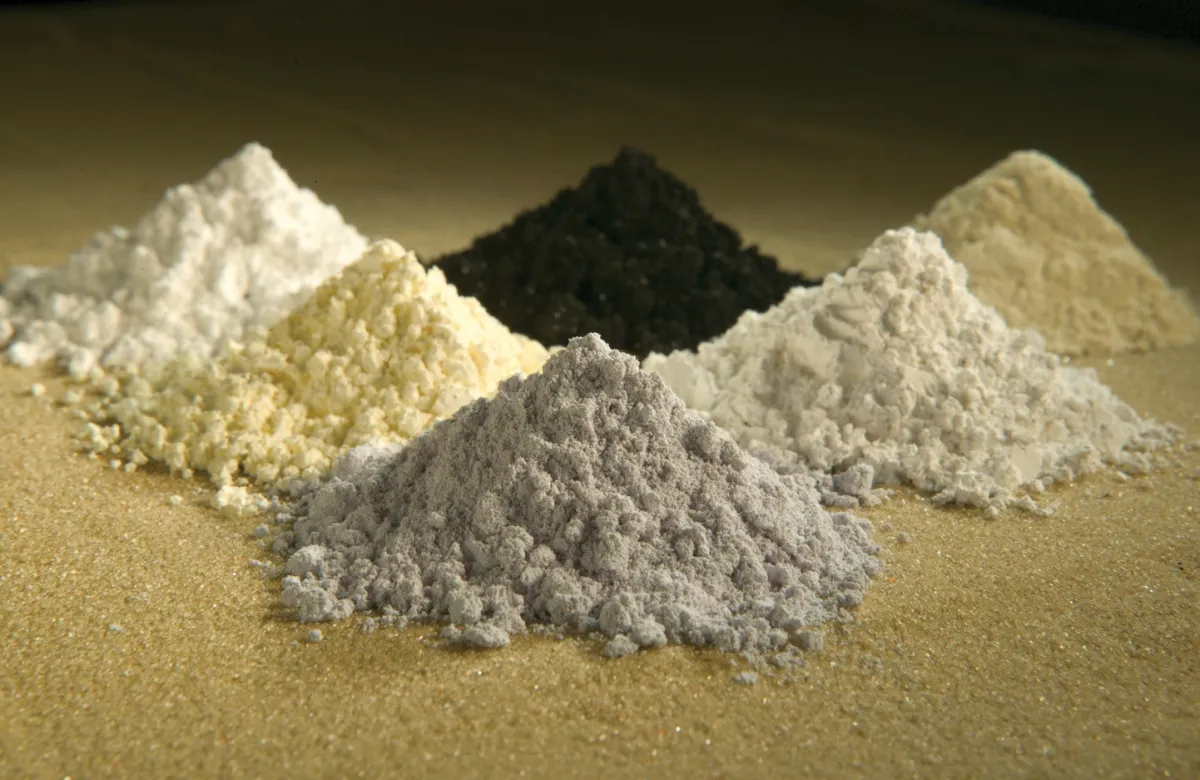
Rare earths are 17 elements of the periodic table with very similar chemical properties. Under the definition of IUPAC, the international body that standardizes chemical nomenclature, the group includes the 15 lanthanides (from lanthanum, atomic number 57, to lutetium, number 71), plus scandium (21) and yttrium (39).
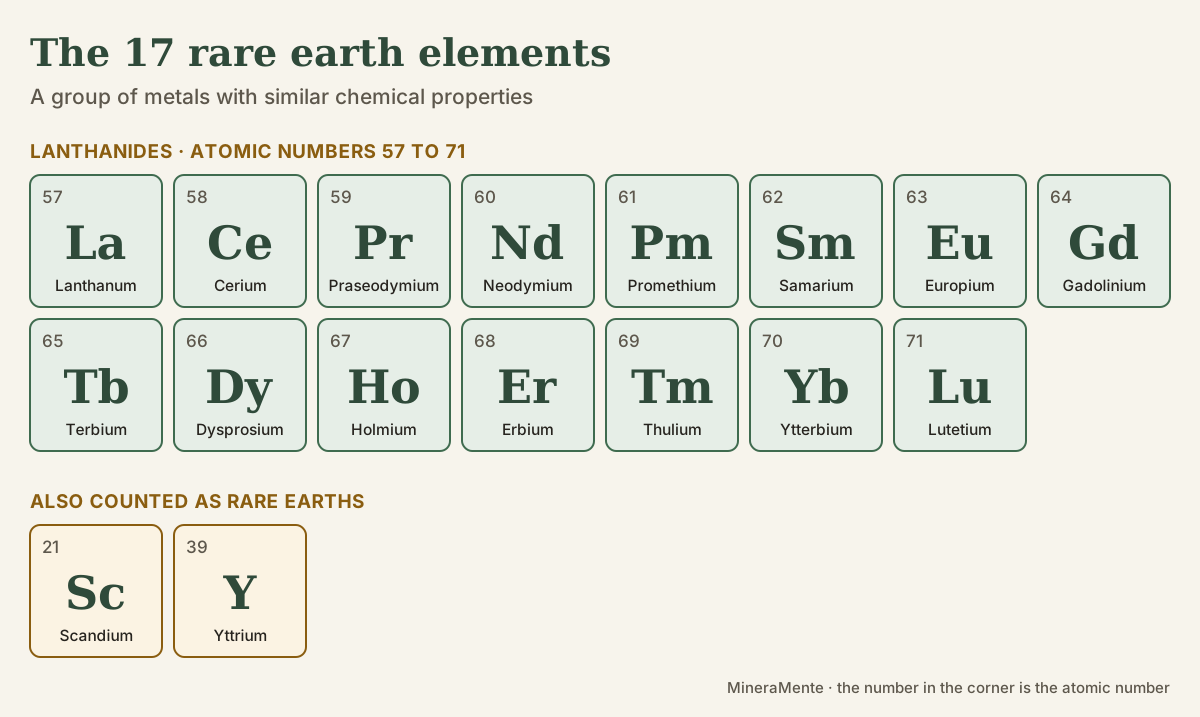
Some names in the group show up often in the news because they are the ones most used in magnets: neodymium (Nd), praseodymium (Pr), dysprosium (Dy) and terbium (Tb).
If they are not rare, why the name?
The name is misleading. According to the United States Geological Survey (USGS), rare earths are relatively abundant in the Earth’s crust, but minable concentrations are less common than for most other mineral commodities.
In practice, the challenge has two parts:
- Finding deposits where rare earths are concentrated enough for mining to be viable.
- Separating the elements from one another. Because they behave so similarly in chemical terms, separating them takes a long and complex industrial process. This stage, refining, is where much of the power of whoever dominates the sector lies.
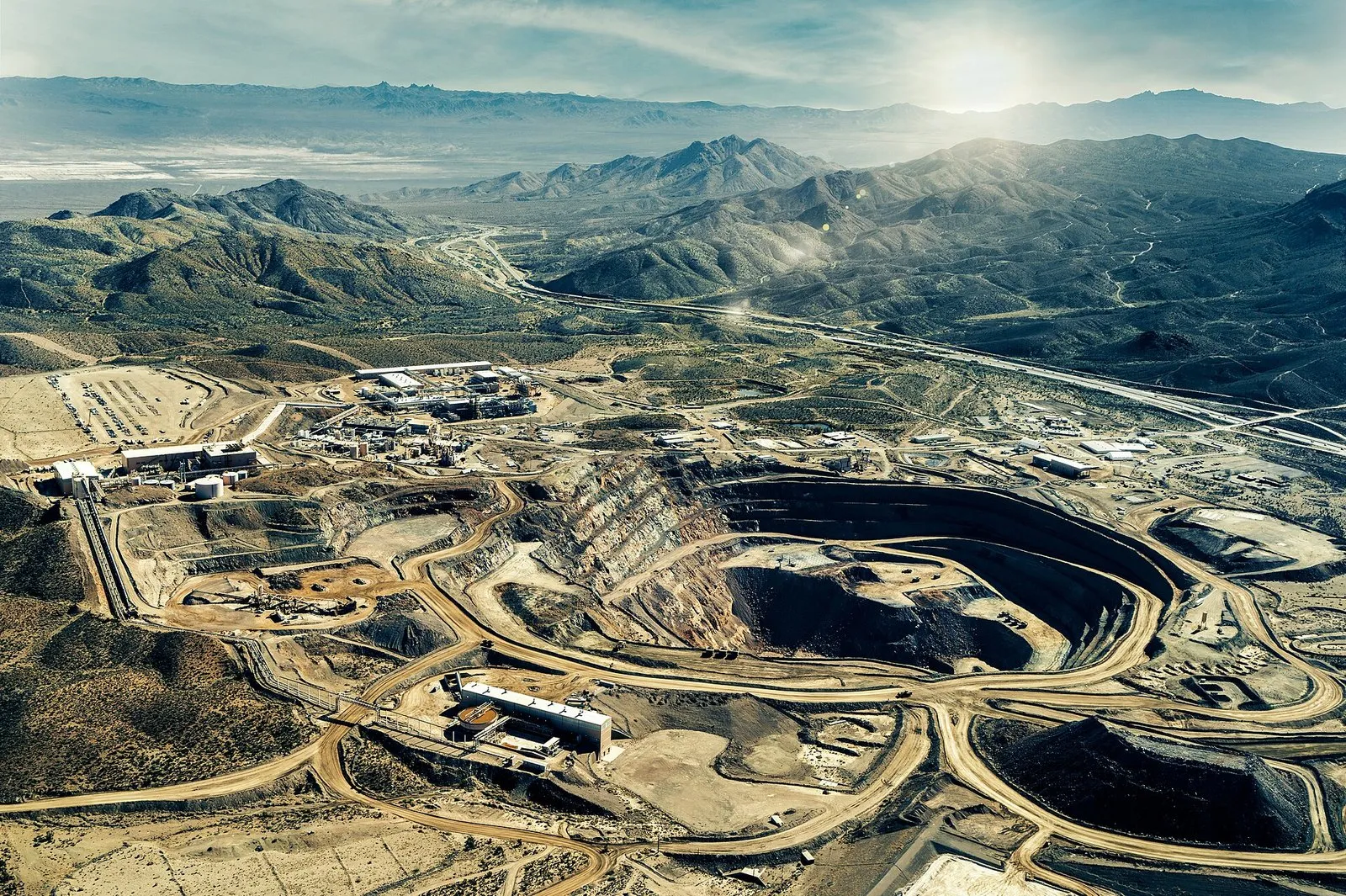
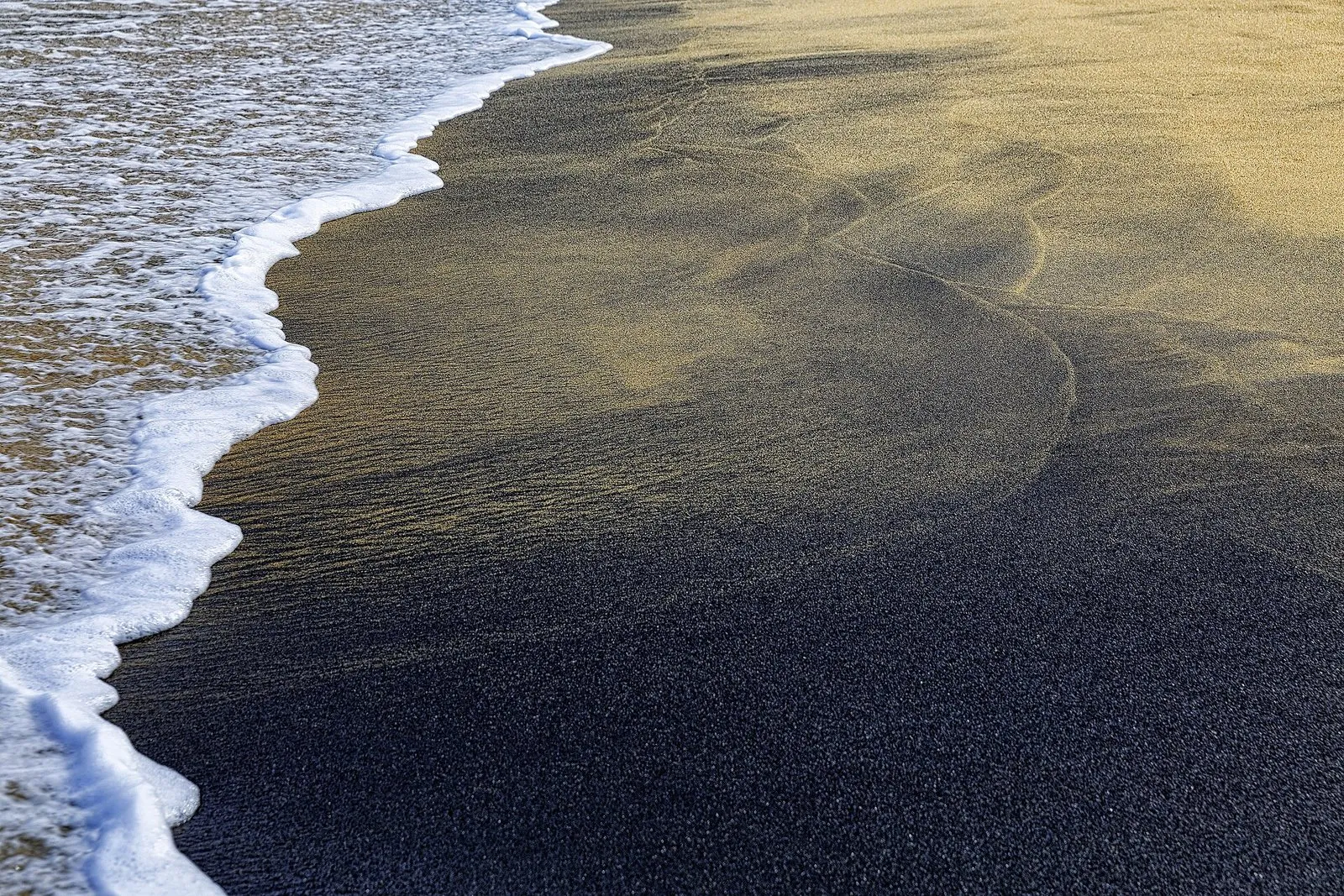
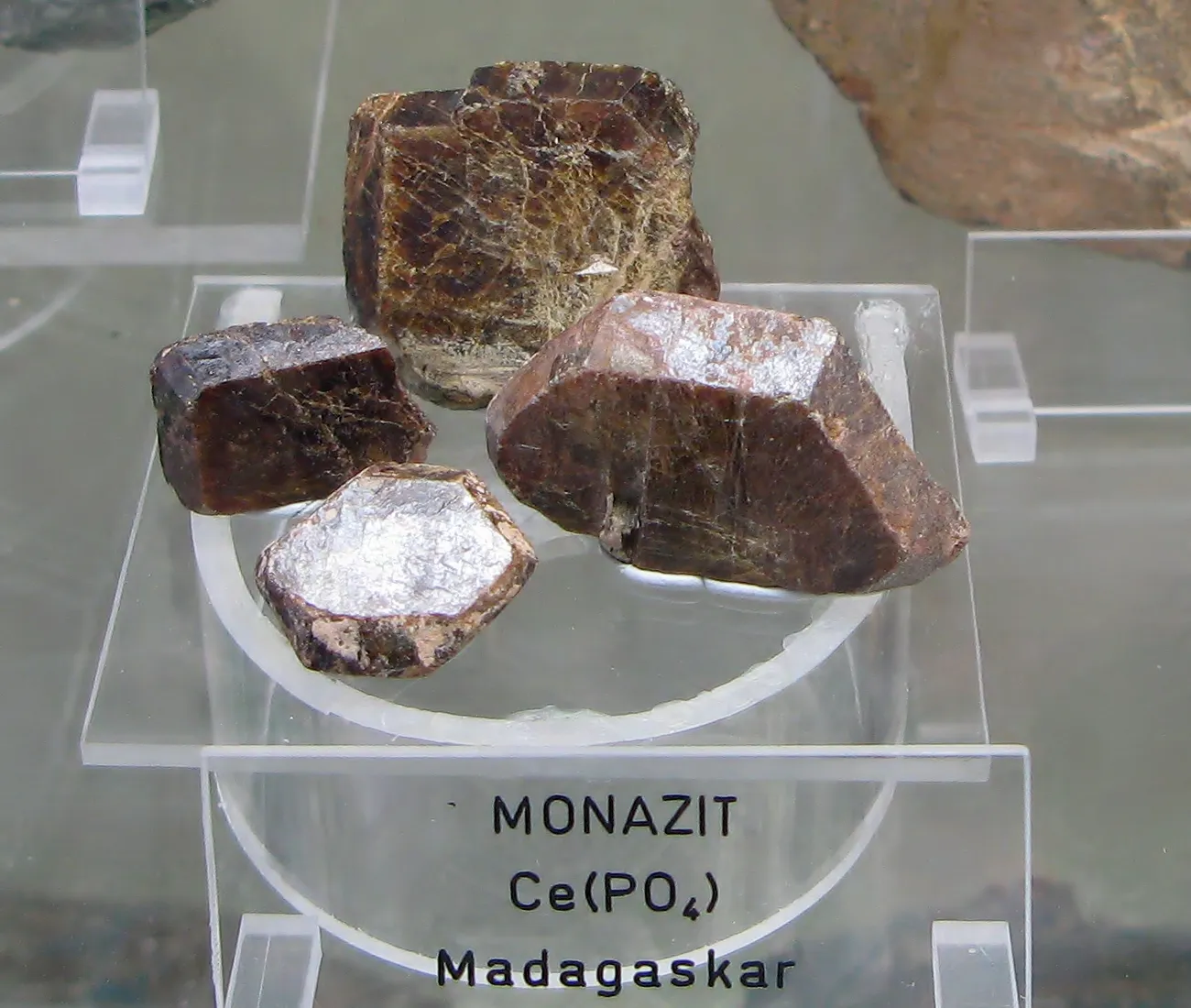
Rare earths do not occur on their own in nature: they are part of minerals. Two examples cited by the USGS are bastnäsite, mined in California, and monazite, obtained from heavy mineral sands.
What are rare earths used for?
According to the USGS, the main use of rare earths worldwide is in making magnets. Other uses include catalysts, batteries, ceramics and glass, metal alloys and polishing powders.
Rare earth magnets, such as neodymium-iron-boron magnets, are much stronger than ordinary magnets of the same size. That is why they show up in:
- electric car motors;
- wind turbines;
- electronics, such as speakers, headphones and computer hard drives.

It is because of magnets that rare earths earned the label of energy transition minerals: electric cars and wind power depend on them.
Who produces rare earths in the world?
Production is highly concentrated. Based on USGS estimates for 2025:
| Quantity | Note | |
|---|---|---|
| World mine production | about 390,000 metric tons | in rare earth oxide equivalent |
| China’s production | about 270,000 metric tons | close to 70% of the total |
| Brazil’s production | about 2,000 metric tons | less than 1% of the total |
And the concentration is even greater in the later stages. According to the International Energy Agency (IEA), China accounted for more than 90% of rare earth refining in recent years and for almost 95% of permanent magnet production. The IEA’s 2026 report points to a drop in China’s share of refining to about 85% in 2025, as projects advance in the United States and Malaysia, according to the website Investment Monitor. To understand this stage, read How rare earths are separated.
This dependence became clear in 2025. The USGS records that, in April of that year, China tightened controls on exports of seven rare earths (samarium, gadolinium, terbium, dysprosium, lutetium, scandium and yttrium) and, in October, expanded the list. In November, it suspended the October expansion for one year, but kept the April controls.
Where does Brazil fit in?
This is the part that matters most for Brazil. According to the USGS, the country has about 11 million metric tons of rare earth reserves, the second largest in the world, behind only China (44 million). The world total exceeds 75 million metric tons.
The figure used to be higher in the statistics: earlier editions listed 21 million metric tons. There is a technical explanation for the change, which we cover in detail in How much rare earth does Brazil have? Why the numbers change.
Having reserves, however, is not the same as producing. In 2025, Brazil accounted for less than 1% of world production. The main operation in activity is the Pela Ema mine, owned by the company Serra Verde, in Minaçu, in the Brazilian state of Goiás (GO), which produces a mixed rare earth concentrate from an ionic clay deposit, according to the specialized website Mining.com. There are also projects under study and in licensing, mainly in Minas Gerais (a state in southeastern Brazil) and in Goiás (in central Brazil).
The government has also stepped in. In September 2026, the law creating the National Policy on Critical and Strategic Minerals was signed, with incentives for the country not only to extract these minerals but also to process them. See what changes in Law 15,506/2026: what changes with Brazil’s new critical minerals policy. And to understand why the topic became an election campaign issue in Brazil, read Why is everyone talking about rare earths?.
Frequently asked questions
Are rare earths rare?
Not exactly. They are relatively abundant in the Earth’s crust. What is rare are deposits concentrated enough for mining to be viable, plus the difficult process of separating the elements.
How many elements are rare earths?
There are 17: the 15 lanthanides (from lanthanum to lutetium), plus scandium and yttrium.
What are rare earths used for?
Their main use worldwide is in permanent magnets, found in electric car motors, wind turbines and electronics. They are also used in catalysts, batteries, glass, ceramics, metal alloys and polishing powders.
Does Brazil produce rare earths?
Yes, but still little: less than 1% of the world total in 2025, according to a USGS estimate. Brazil does, however, have the world’s second-largest reserves.
Which country has the largest rare earth reserves?
China, with about 44 million metric tons, according to the USGS. Brazil comes second, with about 11 million.
Found this article useful? Share it with someone who also wants to understand mining.
Share
Sources
- USGS – Mineral Commodity Summaries 2026: Rare Earths (February 2026)
- Anadolu Agency – report on an International Energy Agency (IEA) report on rare earths (April 8, 2026)
- Investment Monitor – report on the IEA Global Critical Minerals Outlook 2026 (July 16, 2026)
- IUPAC – Nomenclature of Inorganic Chemistry (Red Book)
- Mining.com – Serra Verde enters commercial production in Brazil
Comments
No comments yet. Be the first to comment.