Niobium: what it is, what it is used for and why Brazil dominates the world market
Niobium: learn what this metal is, why it makes steel stronger, what it is used for and how Brazil came to own almost all of world production.
Translated from the original article in Portuguese. Read the original.
When a metal shows up in almost all of the world’s high-strength steel, and almost all of it comes from a single country, it is worth understanding what it is. That metal is niobium, a chemical element that Brazil dominates like few others on the planet. This guide explains, in plain terms, what niobium is, what it is used for and why Brazil became the world reference in this market.
In short
- Niobium is the chemical element with atomic number 41 (symbol Nb), also called columbium.
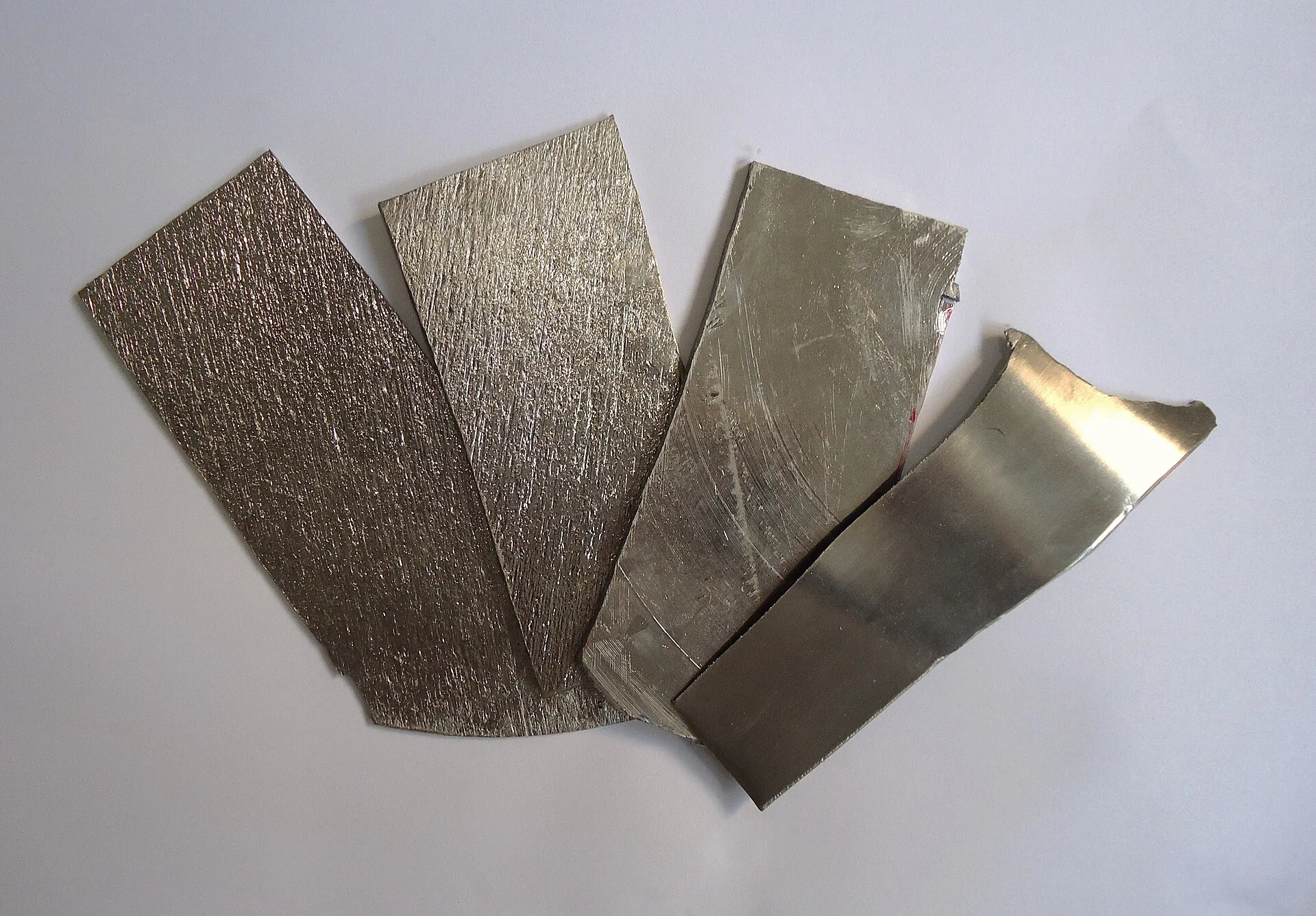
- In pure form, it is a soft, ductile and highly corrosion-resistant metal, according to CBMM.
- Its main use is in steel alloys: small amounts make steel stronger and lighter.
- Brazil is the world’s largest producer: about 93% of global production in 2025, according to the USGS.
- Almost all of it comes from Araxá, in the Brazilian state of Minas Gerais, where CBMM operates the largest niobium complex on the planet.
What niobium is
Niobium is a transition metal, element number 41 on the periodic table. Its other name, columbium, still appears in technical documents and in the very title of the US Geological Survey (USGS) report, which refers to the metal as “niobium (columbium)”.
According to CBMM, the leading Brazilian company in the sector, pure niobium is soft, ductile and highly resistant to corrosion. In practice, it is rarely used on its own: what interests industry is its ability, in small doses, to improve the properties of other materials, above all steel. If the difference between a pure element, a mineral and an ore is still unclear, read Mineral, ore and rock: what is the difference.
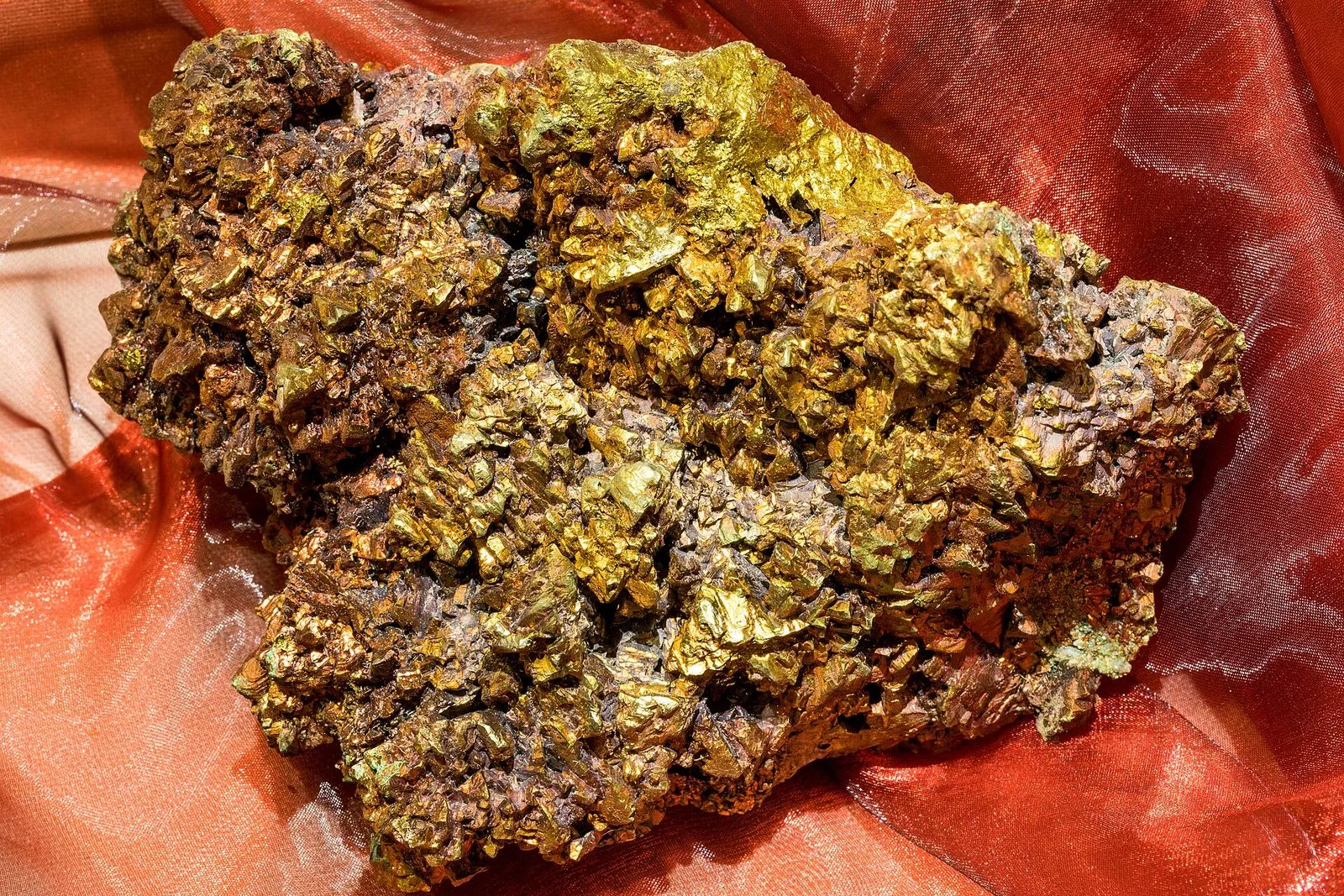
In nature, niobium occurs mainly in pyrochlore, a mineral that forms in rocks called carbonatites. These rocks, of volcanic origin and rich in carbonates, are what concentrate the metal in amounts large enough for mining.
What niobium is used for
The most important use is in steel alloys. According to the USGS, in the United States about 77% of niobium consumption goes into steels and 23% into superalloys used at high temperatures. The most common way the metal is sold is as ferroniobium, an alloy of iron and niobium added to steel at the steel mill.
CBMM describes four product families and their uses:
| Product | Where it is used |
|---|---|
| Ferroniobium | bridges, overpasses, gas pipelines, car bodies and ships |
| Vacuum-grade alloys | rocket and aircraft engines, power generation turbines |
| Niobium oxide | telescopes, lenses, electric car batteries and catalysts |
| Niobium metal | MRI machines, CT scanners and particle accelerators |
The core advantage is strength. In small amounts, niobium makes steel more resistant to corrosion and to extreme temperatures, as Rádio Itatiaia, a radio station in Minas Gerais, explains. Stronger steel means you can use less material to get the same result, which cuts weight and cost in structures, vehicles and pipelines. Niobium is therefore one of those minerals that support everyday infrastructure, the subject of Mining in everyday life: what comes from mines and is in your home.
Why Brazil dominates this market
Few mineral markets are as concentrated as niobium. According to USGS estimates for 2025:
| Quantity | Note | |
|---|---|---|
| World mine production | about 112,000 tonnes | niobium content |
| Brazil’s production | about 104,000 tonnes | close to 93% of the total |
| Canada’s production | about 6,000 tonnes | around 5% |
Brazil also leads by a wide margin in reserves. The USGS estimates Brazil’s reserves at 14 million tonnes of contained niobium, out of a world total of more than 21 million. For comparison, the United States has had no significant mine production since 1959 and depends on imports: in 2025, the country consumed about 9,900 tonnes, all of it supplied by imported material.
The heart of this leadership is in Araxá, in the Alto Paranaíba region of Minas Gerais. That is where CBMM (Companhia Brasileira de Metalurgia e Mineração), founded in 1955, operates what it describes as the world’s largest niobium mining and production complex. The Barreiro deposit, in the same town, is identified by the Geological Survey of Brazil (SGB) as the largest on the planet, with proven and probable reserves estimated at 527 million tonnes of ore, at a grade of 2.1% niobium.
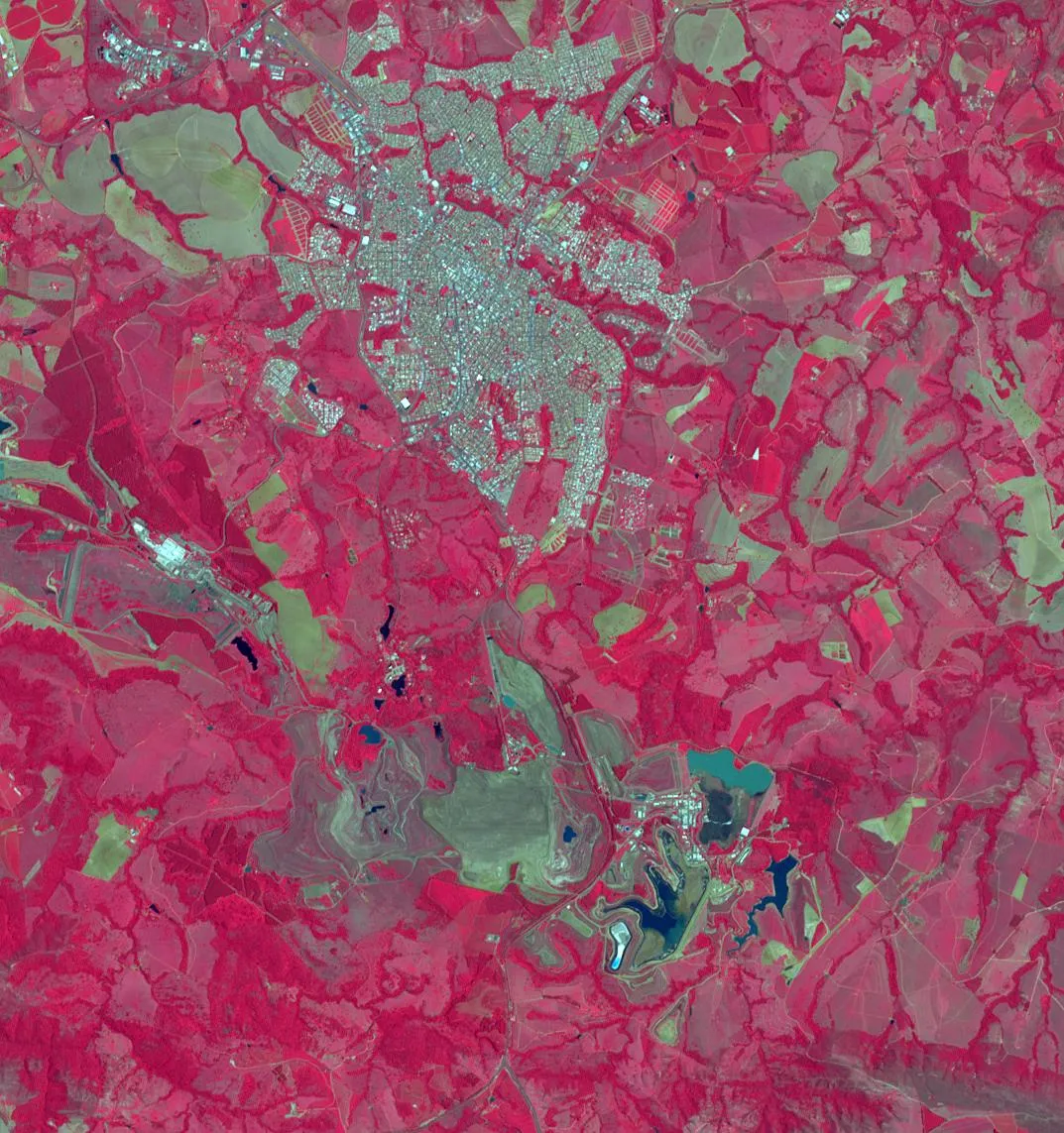
Geology explains the phenomenon. According to Canal Rural and Midiamax, based on SGB data, the Araxá carbonatite complex is about 83 million years old and hosts the Barreiro niobium, whose importance has been known since geochemist Djalma Guimarães identified the ore in the region in the 1950s.
Brazil’s dominance shows in foreign trade. According to the USGS, Brazil exported 92,000 tonnes of ferroniobium in 2024. Most of it went to China (49%), followed by the Netherlands (17%), Singapore (9%), South Korea (8%) and the United States (8%).
Is niobium a critical mineral?
Niobium usually makes the lists of critical and strategic minerals, but for a different reason than other names on those lists. Since Brazil is the largest producer, the metal is more of a strategic asset than an external dependence for the country. That is what the guide Critical and strategic minerals: what they are and why they became a priority explains, using niobium precisely as an example of advantage: while importing countries fear running short of the resource, Brazil holds the lead.
This position has drawn geopolitical attention. Rádio Itatiaia reported in October 2026 that Chinese companies have expanded their presence in the sector, and data cited by the station indicate that China controls about 30% of niobium production in Brazil, in addition to investing in mineral exploration in the country to supply its own industry.
Is Brazil’s leadership under threat?
In the short term, no. The concentration in Araxá, the quality of the ore and the technology CBMM has built up over decades are barriers that are hard to overcome. But there are developments on the horizon.
- Africa. In October 2026, Australian company Globe Metals & Mining began initial excavation at the Kanyika project in Malawi, with first production expected in 2028, according to Click Petróleo e Gás, based on a filing with the Australian stock exchange. The estimated resource is 68.3 million tonnes of ore.
- United States. A company is developing a niobium, scandium and titanium project in Nebraska that, if it gets off the ground, would be the country’s only niobium mine and primary processing plant, according to the USGS.
- New projects in Brazil. In October 2026, Australian company Oceana Metals completed the purchase of the Serra Negra rare earth and niobium project, in the Alto Paranaíba region of Minas Gerais, still at the exploration stage, Brasil Mineral reported.
None of these projects changes the picture right away. Niobium from Malawi and the United States only becomes real supply if the plants are built and the grades are confirmed, which takes years. In the meantime, Brazil’s share remains the largest in the world.
Frequently asked questions
So what is niobium used for?
Mainly to make steel stronger and lighter, in the form of ferroniobium. It also goes into superalloys for aircraft and rocket engines, MRI machines, catalysts and batteries, according to CBMM and the USGS.
Why does Brazil have so much niobium?
Because of geology: the country hosts large carbonatites, volcanic rocks that concentrate the metal in the mineral pyrochlore. The Barreiro deposit, in Araxá (Minas Gerais), is identified by the SGB as the largest in the world.
How much of the world’s niobium does Brazil produce?
About 93% of world production in 2025, according to the USGS, equivalent to roughly 104,000 tonnes of contained niobium. Canada comes second, with about 5%.
Is niobium the same as rare earths?
No. Niobium is a single chemical element (number 41). Rare earths are a group of 17 elements. The two often occur together in carbonatites and on strategic minerals lists, but they are different things.
Will niobium run out?
There is no sign of that. The USGS states that world niobium resources are more than enough to meet projected demand, and Brazil holds most of the known reserves.
Found this article useful? Share it with someone who also wants to understand mining.
Share
Sources
- USGS – Mineral Commodity Summaries 2026: Niobium (Columbium) (February 2026)
- CBMM – O que é Nióbio? Propriedades e Aplicações (What is niobium? Properties and applications; accessed October 28, 2026)
- CBMM – Operations: Araxá industrial complex, founded in 1955 (accessed October 28, 2026)
- Rádio Itatiaia – Brazil's trump card in the global race, niobium draws China's interest (October 28, 2026)
- Canal Rural – 527 million tonnes of niobium underground: the town that holds the largest deposit on the planet (September 15, 2026, SGB data)
- Midiamax – Beneath the thermal gardens of Araxá lies an 83-million-year-old rock holding the largest niobium deposit on the planet (October 26, 2026)
- Click Petróleo e Gás – Malawi mine starts digging niobium; Brazil accounts for 93% of world production (October 26, 2026)
- Brasil Mineral – Oceana Metals completes purchase of Songeo and takes over the Serra Negra rare earth and niobium project in Minas Gerais (October 21, 2026)
Comments
No comments yet. Be the first to comment.