Lithium: what it is, what it is used for and where Brazil produces it
What is lithium used for? Learn what this metal is, where it comes from, how much goes into batteries and how Brazil produces spodumene in Minas Gerais.
Translated from the original article in Portuguese. Read the original.
What is lithium used for? Today, about 88% of the lithium consumed worldwide goes into rechargeable batteries, like the ones in cell phones, laptops, electric cars and energy storage systems. The rest shows up in ceramics, glass, lubricating greases and medicines. This light metal comes from two main types of deposit: desert brines and rocks called pegmatites. Brazil mines the second type, in the state of Minas Gerais, in southeastern Brazil.
In short
- Lithium is the chemical element with atomic number 3 and the least dense metal there is.
- According to the US Geological Survey (USGS), 88% of the lithium consumed worldwide goes into batteries.
- It is extracted from brines (Chile, Argentina, China) and from pegmatite minerals, such as spodumene (Australia, China, Zimbabwe, Brazil).
- In 2025, world mine production reached about 290,000 tonnes of contained lithium, not counting the United States. Australia led.
- Brazil produced about 12,000 tonnes in 2025, according to the USGS, at mines in Itinga, Araçuaí and Nazareno, in Minas Gerais.
What lithium is
Lithium is a soft, silvery metal, the third element on the periodic table. According to the Royal Society of Chemistry, the British chemistry society, it has the lowest density of all metals (0.534 grams per cubic centimeter) and reacts strongly when it comes into contact with water. According to the USGS, lithium metal is so light that it floats on oil.
The name comes from the Greek lithos, meaning “stone.” The story has a Brazilian chapter: the first known lithium mineral, petalite, was discovered in the 1790s on the Swedish island of Utö by the Brazilian José Bonifácio de Andrada e Silva. In 1817, the Stockholm chemist Johan August Arfvedson analyzed this petalite and concluded that it contained an unknown metal, which he named lithium.
In nature, lithium does not occur as a pure metal. It is part of the structure of more than 200 minerals, according to the ANM, Brazil’s National Mining Agency. If the difference between mineral, ore and rock still confuses you, read Mineral, ore and rock: what is the difference.
Where lithium comes from: brines and spodumene
Two types of deposit account for world production.
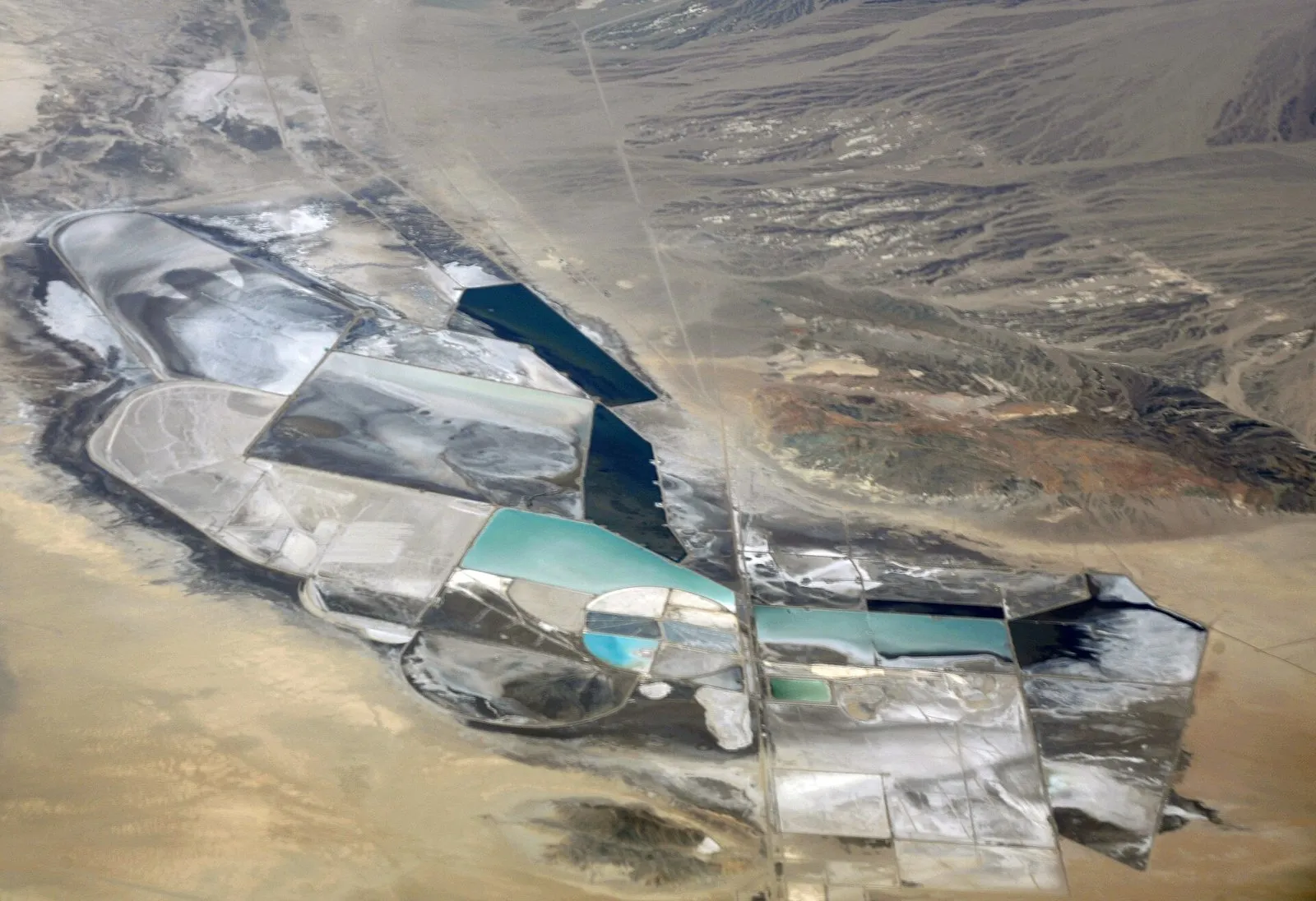
Brines. These are very salty waters pumped from beneath dry basins, such as the salt flats of Chile and Argentina. According to the USGS, the arid climate is essential because the first step of extraction is solar evaporation: the brine goes into large ponds, the water evaporates and the lithium becomes concentrated. That is what the cover photo shows, taken in Clayton Valley, Nevada, in the United States.
Pegmatites. These are granitic rocks with very large crystals. In them, lithium is found in minerals such as:
- spodumene, a lithium aluminum silicate, the lithium mineral Brazil produces;
- petalite, another lithium aluminum silicate;
- lepidolite, a pink mica;
- amblygonite, a phosphate.
The mined ore is processed into a spodumene concentrate, which is then heated (calcined) and chemically treated to produce compounds such as lithium carbonate and lithium hydroxide, used by the battery industry.
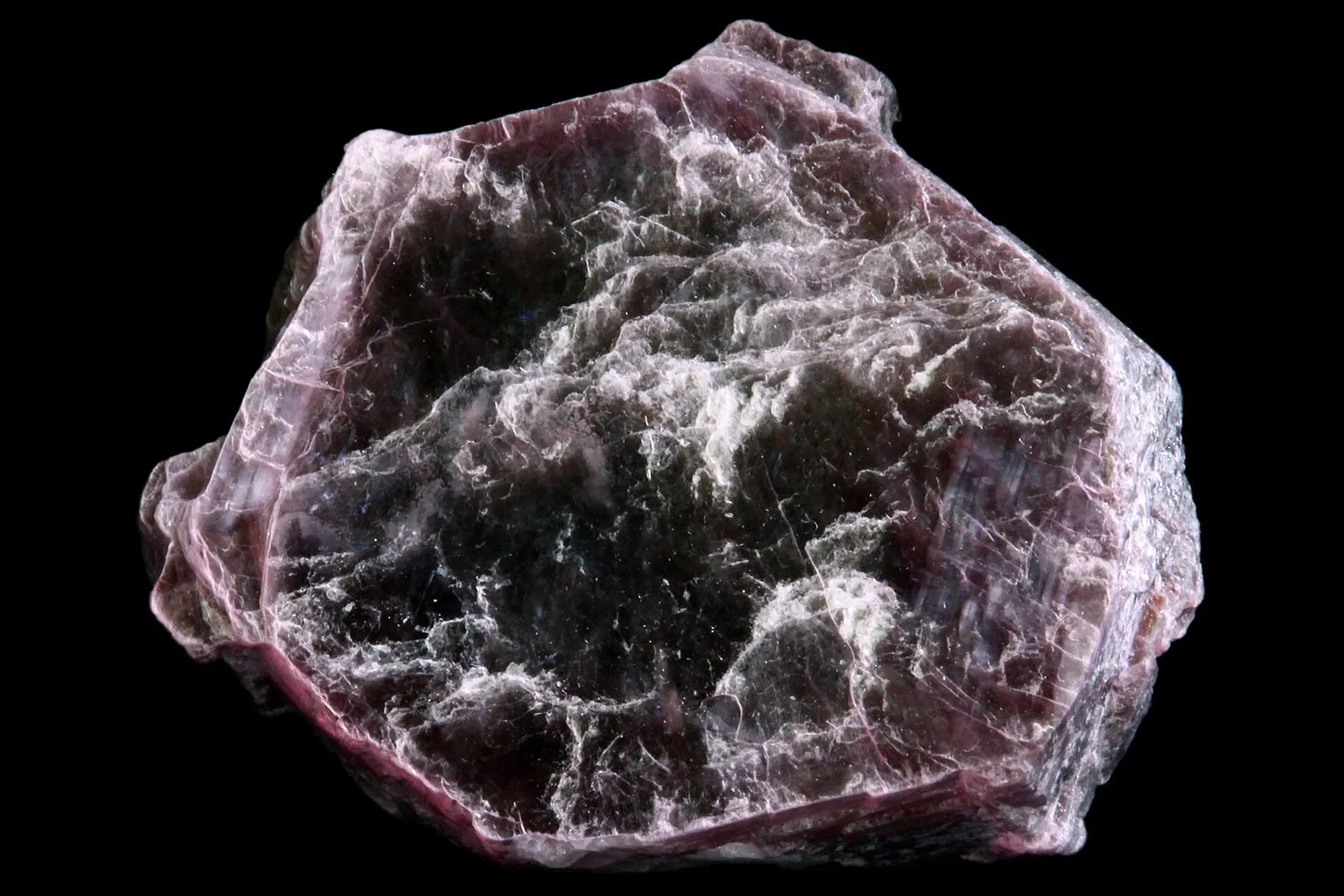
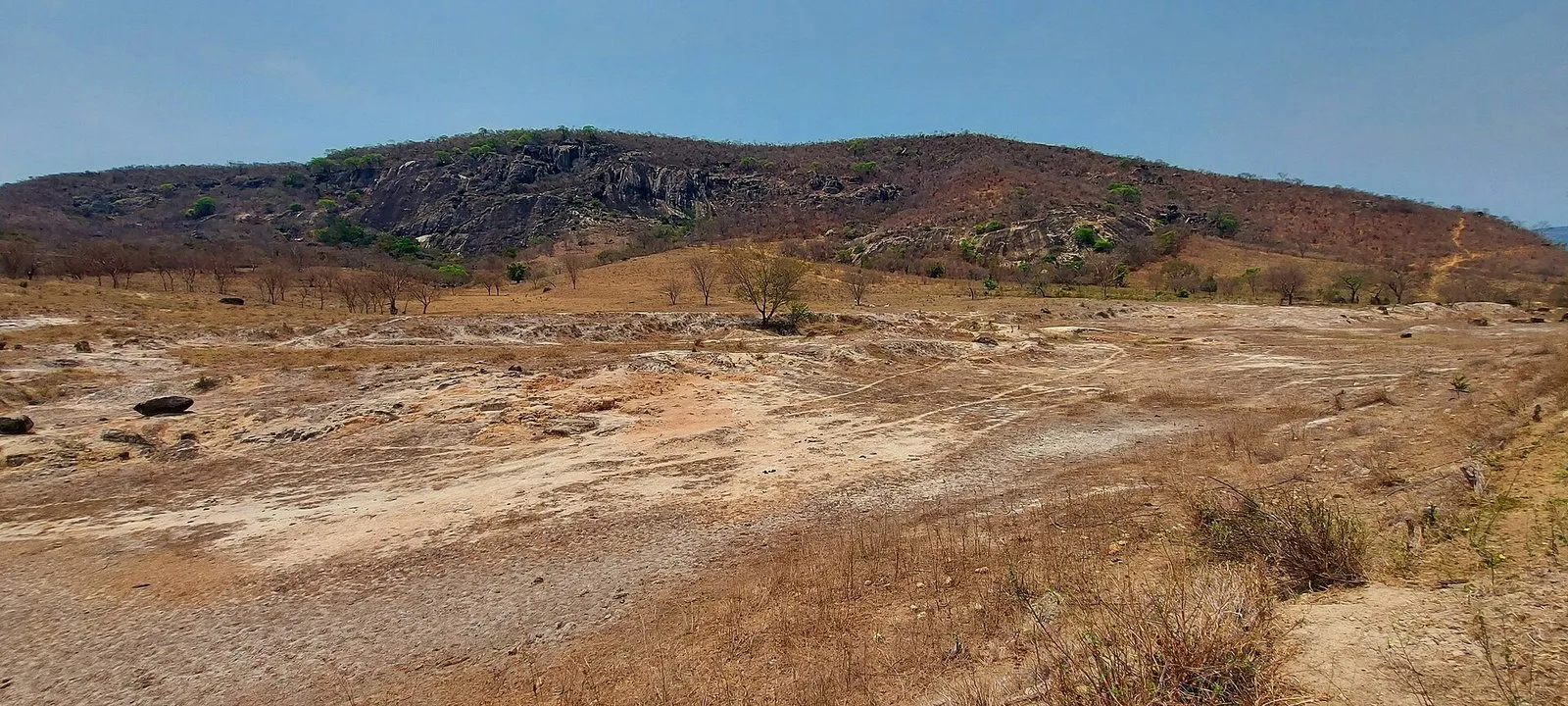
According to the ANM, spodumene, lepidolite, amblygonite and petalite predominate in Brazil, all in pegmatites. Occurrences are concentrated in three pegmatite provinces: the Eastern province (Minas Gerais and Bahia), the Northeastern province (Paraíba, Rio Grande do Norte and Ceará) and the Southern province (São Paulo).
What lithium is used for
The USGS estimates the end uses of lithium worldwide as follows:
| Use | Share | Example |
|---|---|---|
| Batteries | 88% | electric cars, energy storage, cell phones, power tools |
| Ceramics and glass | 4% | specialty glass and glass-ceramics |
| Lubricating greases | 2% | high-temperature greases |
| Air treatment | 1% | air conditioning and industrial drying systems |
| Continuous casting mold powders | 1% | powders used in the molds where liquid metal solidifies |
| Medicine | 1% | lithium carbonate-based medicines |
| Other | 3% | various uses |
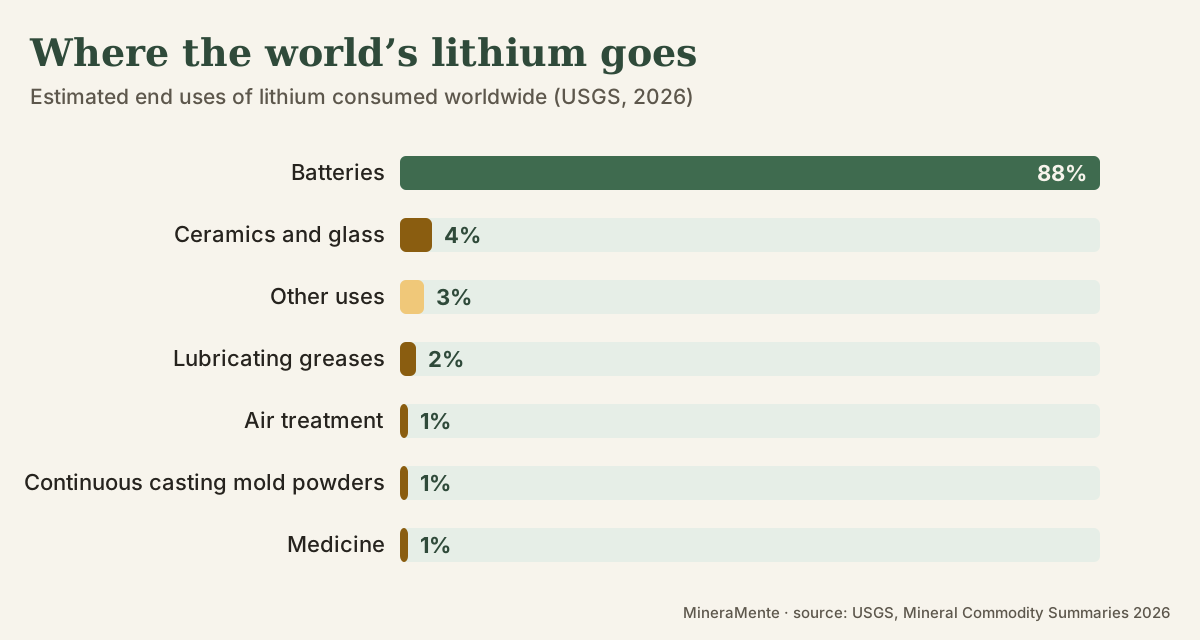
A few details help make sense of the list:
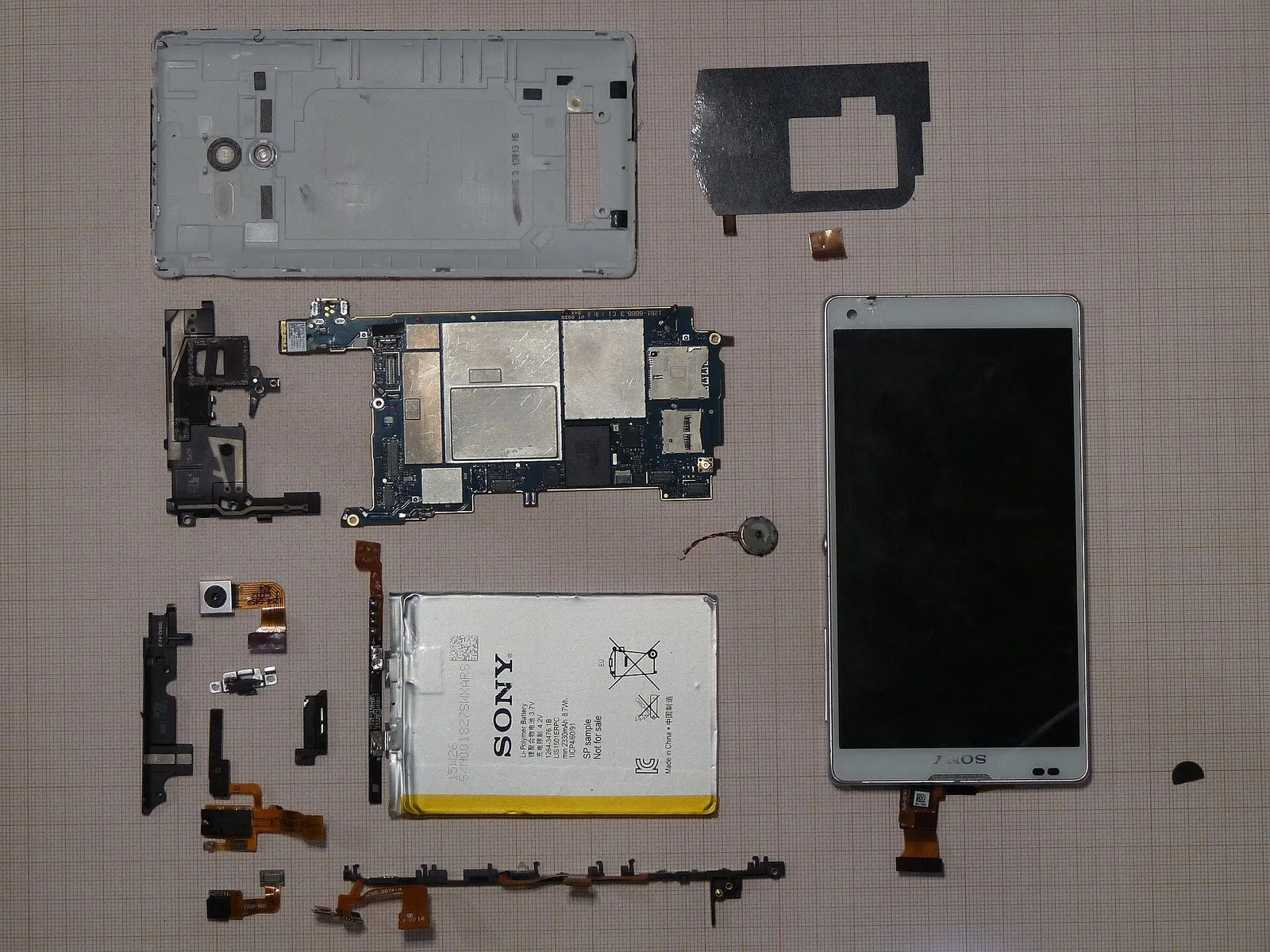
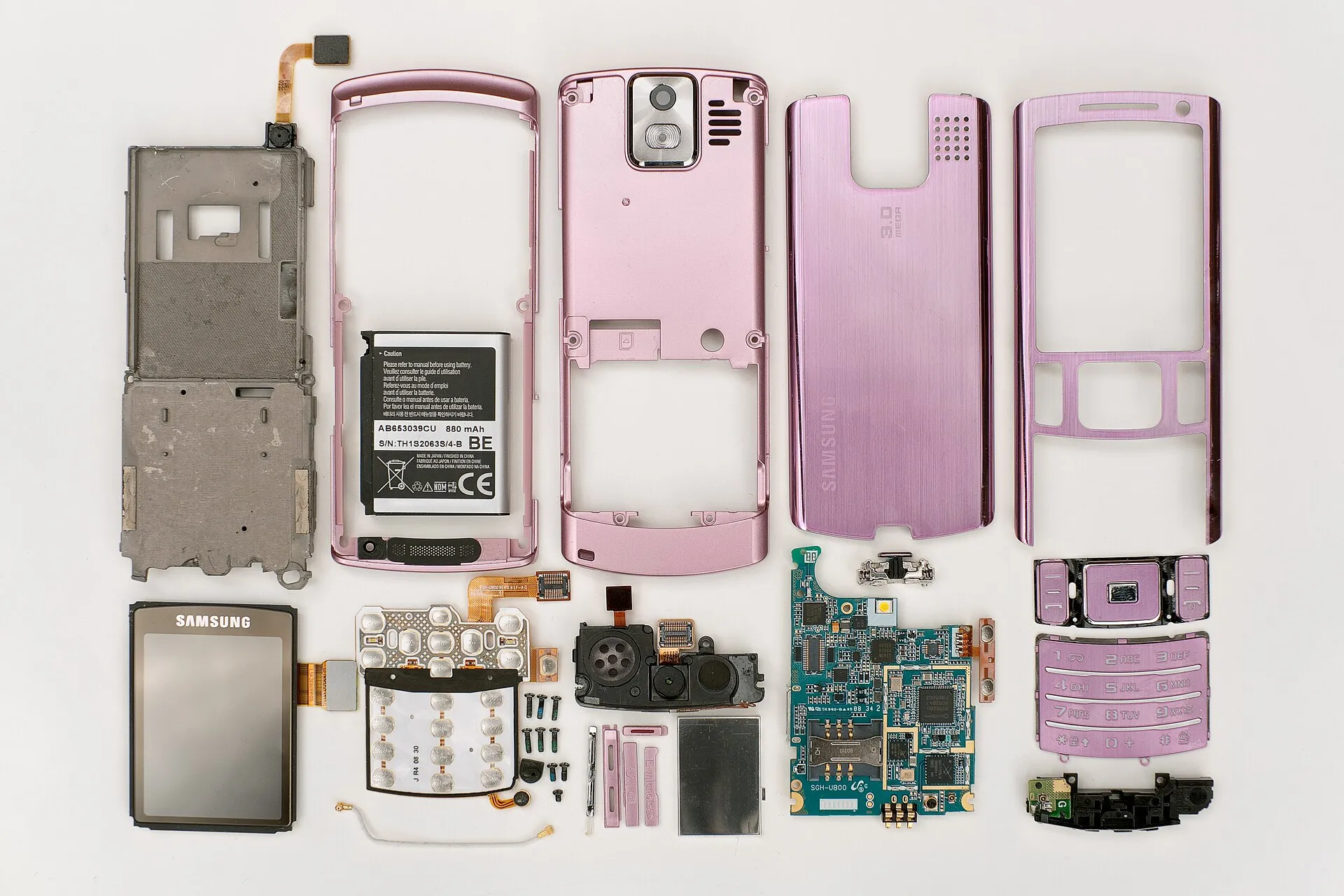
- Batteries. The USGS attributes the jump in consumption to rechargeable batteries for electric cars, grid energy storage, portable electronic devices and power tools. There are also non-rechargeable lithium batteries, used in pacemakers, toys and watches, according to the Royal Society of Chemistry. See what else is inside the device in What minerals are in your phone.
- Ceramics and glass. Here, lithium minerals can be used directly, as concentrate, without being turned into a chemical compound, according to the USGS.
- Greases. Lithium stearate is used as a general-purpose and high-temperature lubricant.
- Air treatment. Lithium chloride is one of the most moisture-absorbing materials, which is why it goes into air conditioning and industrial drying systems.
- Medicine. Lithium carbonate is used in medicines for bipolar disorder.
- Alloys. Among other uses, aluminum-lithium alloys, lighter and stronger, appear in airplanes, bicycle frames and high-speed trains.
To see how other minerals also reach everyday life, read Mining in everyday life: what comes from mines and is in your home.
Who produces it and where the reserves are
According to the USGS, world mine production, not counting the United States (which does not disclose the figure), rose 31% in 2025 to about 290,000 tonnes of contained lithium. World consumption grew 20% to about 263,000 tonnes.
| Country | Mine production in 2025 (t of lithium) | Reserves (t of lithium) |
|---|---|---|
| Australia | 92,000 | 8,400,000 |
| China | 62,000 | 4,600,000 |
| Chile | 56,000 | 9,200,000 |
| Zimbabwe | 28,000 | 500,000 |
| Argentina | 23,000 | 4,400,000 |
| United States | not disclosed | 4,400,000 |
| Brazil | 12,000 | 540,000 |
| Mali | 9,400 | 370,000 |
| Canada | 5,600 | 1,600,000 |
| World (rounded) | 290,000 (excluding the US) | 37,000,000 |
Source: USGS, Mineral Commodity Summaries 2026 (estimated 2025 data).
Three points stand out:
- Australia, the largest producer from pegmatites, accounted on its own for about a third of 2025 production. Chile, which extracts lithium from brines, has the largest reserves.
- Brazil had about 4% of world production in 2025 and the seventh-largest reserves among the countries listed by the USGS.
- The price swings widely. The annual average price of battery-grade lithium carbonate in the United States, in inflation-adjusted terms, was US$ 63,700 per tonne in 2022 and US$ 9,000 in 2025, according to the USGS.
Where Brazil produces lithium
According to the ANM, in 2024 Brazil produced 944,114 tonnes of spodumene concentrate, with an average grade of 5.7% lithium oxide. That is equivalent to 25,979 tonnes of lithium oxide (Li₂O), a 71% increase over 2023. All of this concentrate came from three mines in Minas Gerais:
- Cachoeira Mine, underground, owned by Companhia Brasileira de Lítio (CBL), in Itinga and Araçuaí;
- Grota do Cirilo Mine, open-pit, owned by Sigma Mineração, in Itinga;
- Volta Grande Mine, owned by AMG Mineração, in Nazareno.
The first two are in the Jequitinhonha Valley, in northeastern Minas Gerais. According to the ANM, the 2024 growth came mainly from Sigma’s operation. CBL is the only Brazil-based company that manufactures lithium chemical compounds, such as carbonate and hydroxide, at its plant in Divisa Alegre (Minas Gerais).
Some ANM figures show the size of the sector and its contrasts:
- Reserves: about 642,500 tonnes of lithium oxide, in the Jequitinhonha Valley and in the São João del-Rei region (Minas Gerais).
- Exports: Brazil exported US$ 302.6 million in lithium products in 2024, 94.5% of it as spodumene concentrate. China received 97% of that value.
- Imports: the country bought US$ 647.7 million in lithium products in 2024, mostly finished lithium-ion batteries. The sector’s balance was negative by US$ 355.2 million.
- Royalties: revenue from the CFEM, the compensation paid by mining companies in Brazil, fell 56.3% in 2024 to R$ 24.1 million (Brazilian reais), driven by falling prices.
In 2023, the government of Minas Gerais launched the Vale do Lítio (Lithium Valley) project, with the stated goal of making the state a leading player in the lithium value chain. According to the state government, by May 2026 the initiative had attracted R$ 6.9 billion in private investment. The expansion of mining in the region has social and environmental effects, positive and negative, which we analyze in Lithium in the Jequitinhonha Valley: opportunities and problems. For an overview of the topic, see Environmental impacts of mining: what they are and how they can be reduced.
Frequently asked questions
So what is lithium used for?
Mainly for rechargeable batteries, which consume 88% of the world’s lithium, according to the USGS. The rest goes into ceramics and glass, lubricating greases, air treatment, continuous casting mold powders and medicines.
Which country produces the most lithium?
Australia, with about 92,000 tonnes of contained lithium in 2025, according to the USGS. China and Chile come next. Chile has the largest reserves.
Where is lithium found in Brazil?
Production is in Minas Gerais: in Itinga and Araçuaí, in the Jequitinhonha Valley, and in Nazareno. According to the ANM, there are also occurrences in pegmatites in the states of Bahia, Paraíba, Rio Grande do Norte, Ceará and São Paulo.
Does Brazil process the lithium it mines?
Only partly. According to the ANM, CBL is the only Brazil-based company that produces lithium chemical compounds. The sector’s exports are almost all spodumene concentrate, mainly to China, while the country imports finished batteries.
Found this article useful? Share it with someone who also wants to understand mining.
Share
Sources
- USGS – Mineral Commodity Summaries 2026: Lithium (February 2026)
- USGS – Professional Paper 1802-K: Lithium (Bradley and others, 2017)
- Royal Society of Chemistry – Periodic Table: Lithium
- ANM – Sumário Mineral 2025: Lítio (Brazilian Mineral Summary 2025: Lithium, base year 2024)
- Agência Minas (Government of Minas Gerais) – Lithium Valley marks three years of GDP growth in Jequitinhonha municipalities (May 9, 2026)
Comments
No comments yet. Be the first to comment.