What minerals are in your phone
Lithium, cobalt, tin, tantalum, indium, copper, gold and rare earths: which minerals are in your phone, where they sit in the device and where they come from.
Translated from the original article in Portuguese. Read the original.
What minerals are in your phone? Lots of them: the device brings together lithium and cobalt in the battery, indium and tin in the screen, copper, gold, silver, tin and tantalum on the circuit board and rare earths in the speaker magnets. Each of these elements came out of a mine, often on the other side of the world, and some of them are also mined in Brazil. This guide shows what is in each part of the phone, which mineral each element comes from and why the old phone in your drawer matters to mining.
In short
- A smartphone is a small summary of the periodic table: the screen, battery, circuit board, magnets and casing use different materials.
- The lithium-ion battery usually uses lithium, cobalt and graphite. Lithium comes from brines or from minerals such as spodumene, which Brazil mines in the state of Minas Gerais.
- The circuit board contains copper, gold, silver, tin and tantalum. Tin comes from cassiterite, and tantalum from tantalite.
- Production of several of these minerals is concentrated: Congo produced about 73% of the world’s cobalt in 2025, and China, 82% of natural graphite.
- Old phones are a source of metals (so-called urban mining), but only 22.3% of the world’s e-waste was collected and recycled in a documented way in 2022.
What is in each part of the phone
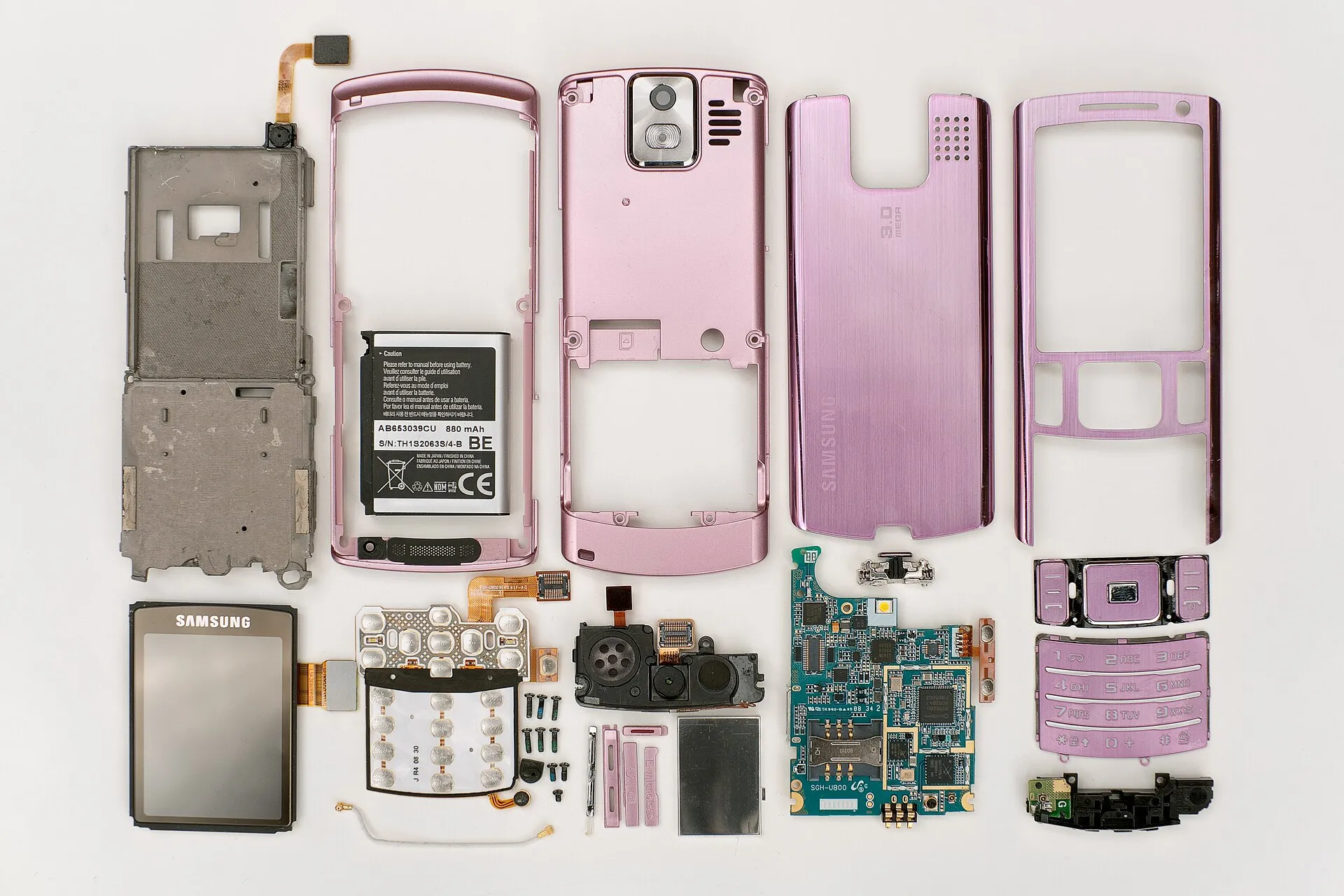
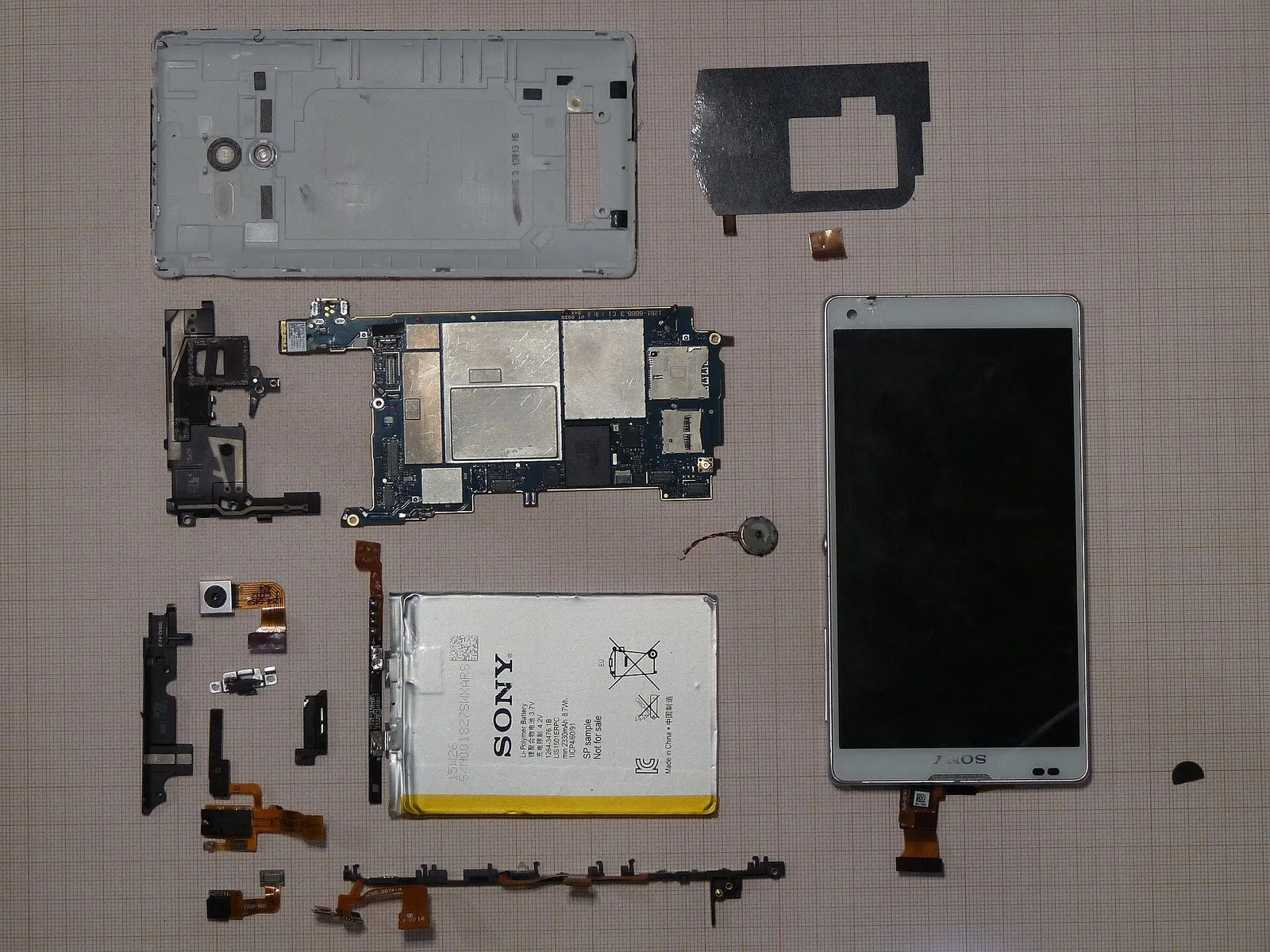
The chemistry outreach site Compound Interest organized the main elements of a smartphone by component. The table sums it up:
| Part | Main elements | What they do |
|---|---|---|
| Screen | aluminum, silicon, oxygen, indium, tin, rare earths | tough glass, touch-sensitive layer and colors |
| Battery | lithium, cobalt, carbon (graphite), aluminum | store energy |
| Board and chips | silicon, copper, gold, silver, tin, tantalum | process data, carry current, solder parts |
| Speaker, microphone and vibration | neodymium, iron, boron, dysprosium, praseodymium | magnets |
| Casing | magnesium (metal alloys) or plastics | structure and protection |
The composition can vary from one model to another. So the list above shows typical elements, not the exact recipe of a given device.
The screen: glass, indium and rare earths
The screen is made mainly of aluminosilicate glass, a mixture of aluminum oxide and silicon dioxide. On top of it sits a thin, transparent layer of indium tin oxide (ITO), which conducts electricity and lets the screen respond to touch. Small amounts of rare earths help produce the colors.
According to the United States Geological Survey (USGS), ITO manufacturing accounts for most of the world’s indium consumption. Indium is usually obtained alongside zinc: according to the USGS, the most common source is sphalerite, a zinc sulfide. China accounted for 70% of world production of refined indium in 2025.
The battery: lithium, cobalt and graphite
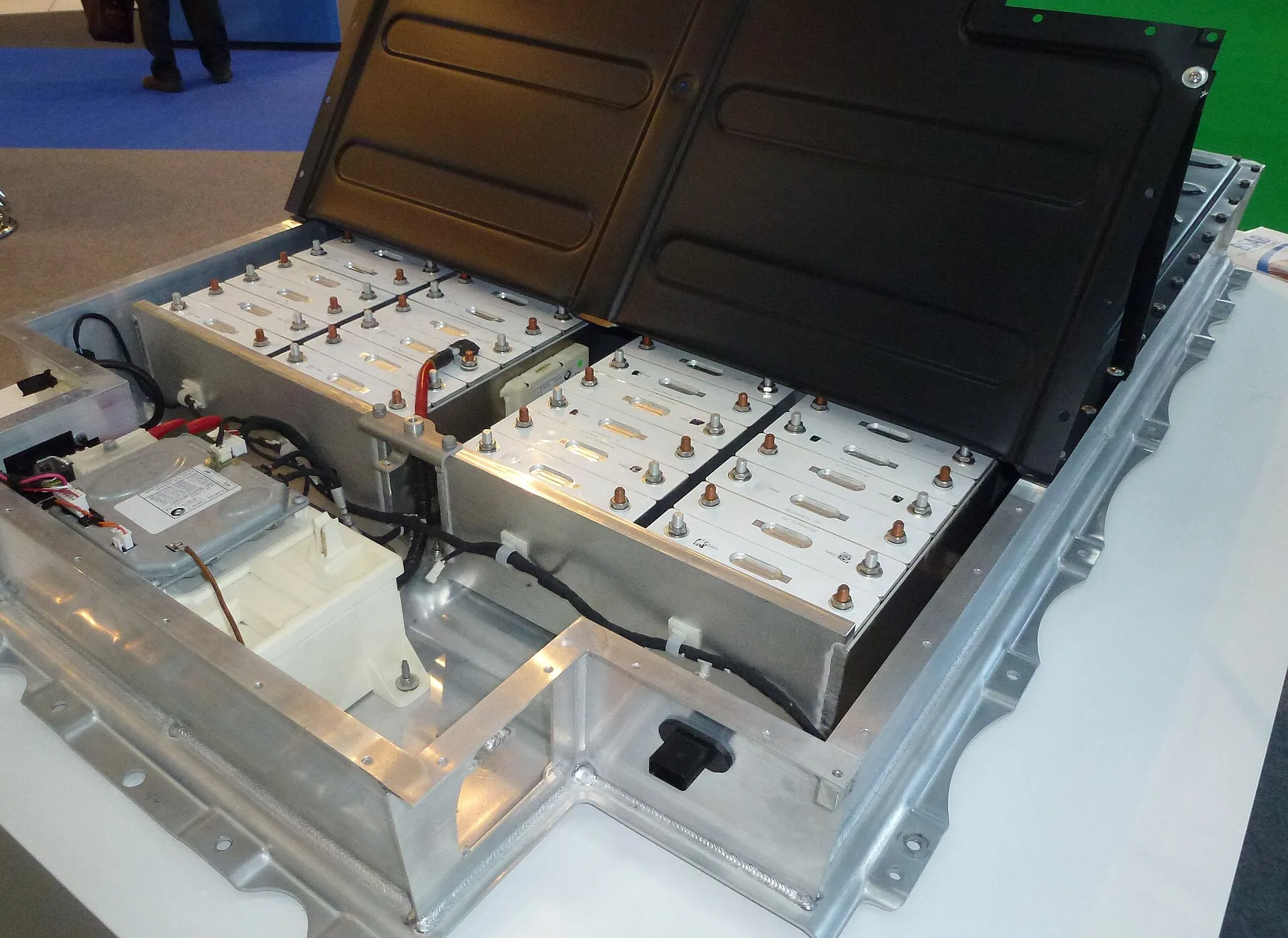
Most phones use lithium-ion batteries. In general, the positive electrode is made of lithium cobalt oxide, and the negative one of graphite (a form of carbon). The battery usually sits inside an aluminum casing.
Batteries are by far the main use of lithium: the USGS estimates that 88% of the lithium consumed worldwide goes into them, including batteries for electric cars, energy storage systems and portable electronic devices.
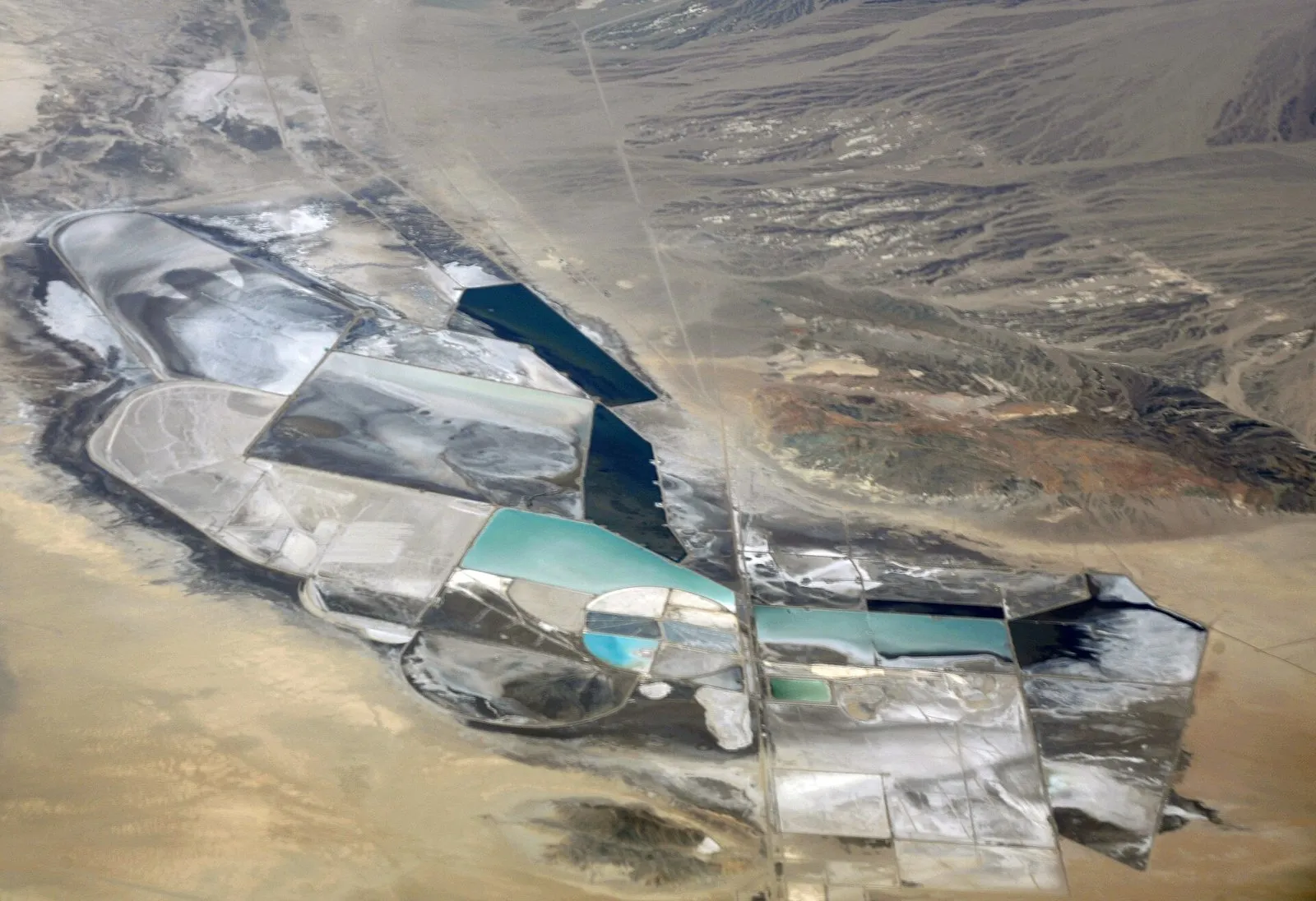
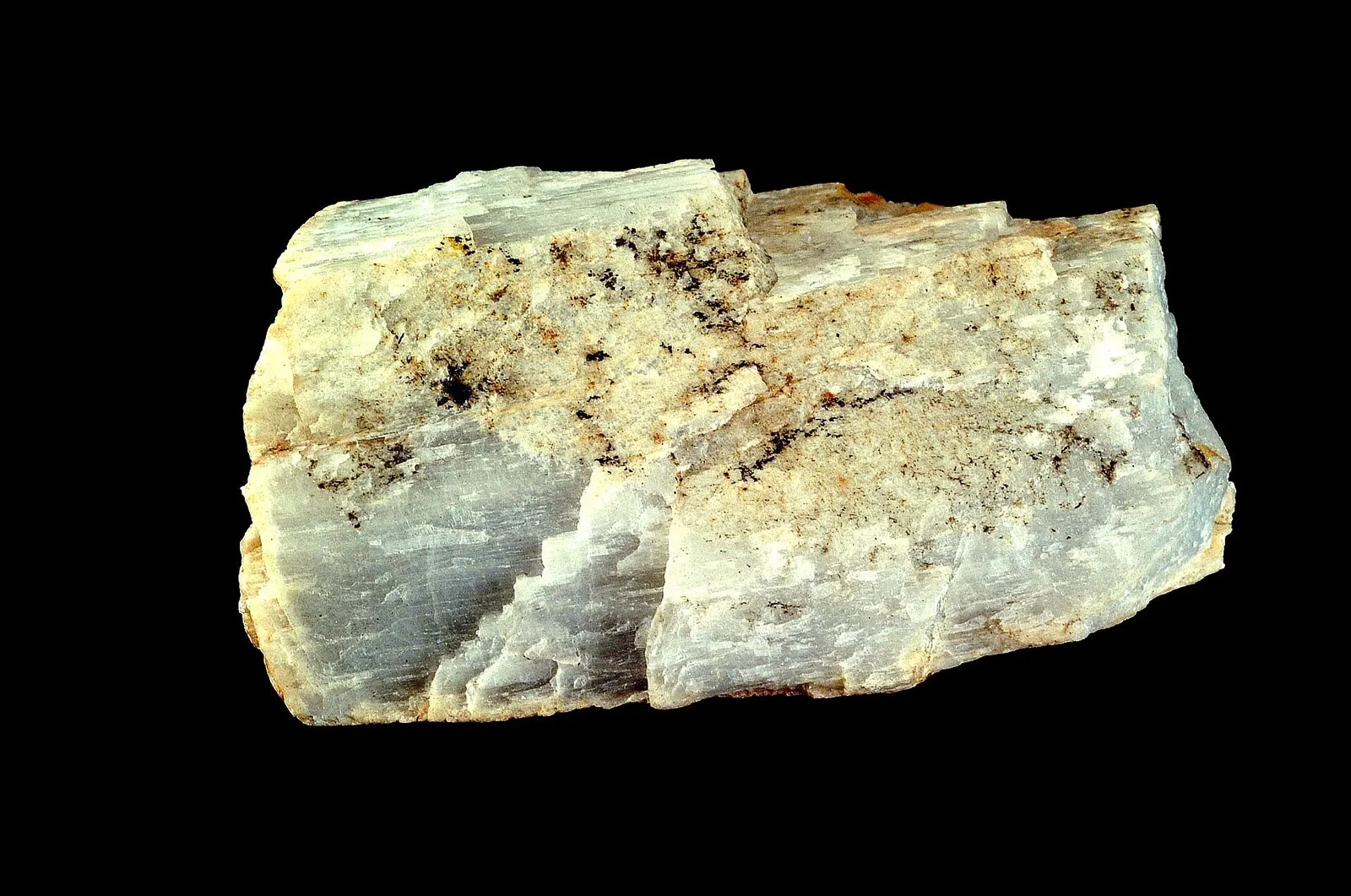
Lithium is extracted from two main types of deposit. In Chile, Argentina and Bolivia, it comes from brines (very salty water) and salt deposits. In Brazil, Australia and Zimbabwe, it comes from pegmatites, a type of granitic rock, where it occurs in minerals such as spodumene.
The circuit board: copper, gold, silver, tin and tantalum
The circuit board is the device’s “brain.” The processor is made of silicon with small amounts of other elements. The electrical connections use mainly copper, gold and silver. Solder, which holds the components to the board, traditionally contained tin and lead. Today, lead-free versions usually combine tin, silver and copper.
Tantalum, in turn, shows up in tiny capacitors, parts that store and release electric charge. According to the USGS, electronic capacitors are the main use of tantalum in high-performance applications, including cell phones.
Magnets and casing
The speaker, the microphone and the vibration motor contain magnets, usually made of a neodymium-iron-boron alloy, often with dysprosium and praseodymium. Neodymium, dysprosium and praseodymium belong to the group of rare earths. To learn more, read Neodymium magnets: what they are and why they are in electric cars and wind turbines and Rare earths: what they are, what they are used for and why Brazil matters.
The casing can be metal, such as magnesium alloys, or plastic, a carbon-based material.
Where these minerals come from
The elements in your phone do not come out of the mine ready to use. In general, they are locked inside a mineral (cassiterite, for example, is a tin oxide), and that mineral has to be extracted and processed. The table shows the origin of some of the elements in a phone, with mine production data estimated by the USGS for 2025.
| Element | Main mineral source | Largest producers (2025) | What about Brazil? |
|---|---|---|---|
| Lithium | brines and spodumene (pegmatites) | Australia, China and Chile | about 12,000 tonnes, in Minas Gerais |
| Cobalt | copper and nickel deposits | Congo (73%) and Indonesia (14%) | not among the listed producers |
| Natural graphite | graphite | China (82%) | about 65,000 tonnes and the world’s second-largest reserves |
| Tin | cassiterite | China and Indonesia | about 28,000 tonnes, mainly in the states of Amazonas and Rondônia |
| Tantalum | tantalite (and coltan) | Congo (about half of the total) | about 190 tonnes |
| Indium | sphalerite (zinc ore) | China (70% of refining) | not among the listed producers |
A few details help make sense of the table:
- Lithium. According to the ANM, Brazil’s National Mining Agency, in 2023 Brazil produced spodumene concentrate at three mines in Minas Gerais: two in Itinga and Araçuaí, in the Jequitinhonha Valley, and one in Nazareno.
- Tin. Also according to the ANM, in 2023 the state of Amazonas accounted for 47.3% of Brazil’s tin concentrate production, Rondônia for 31% and Pará for 7.6%.
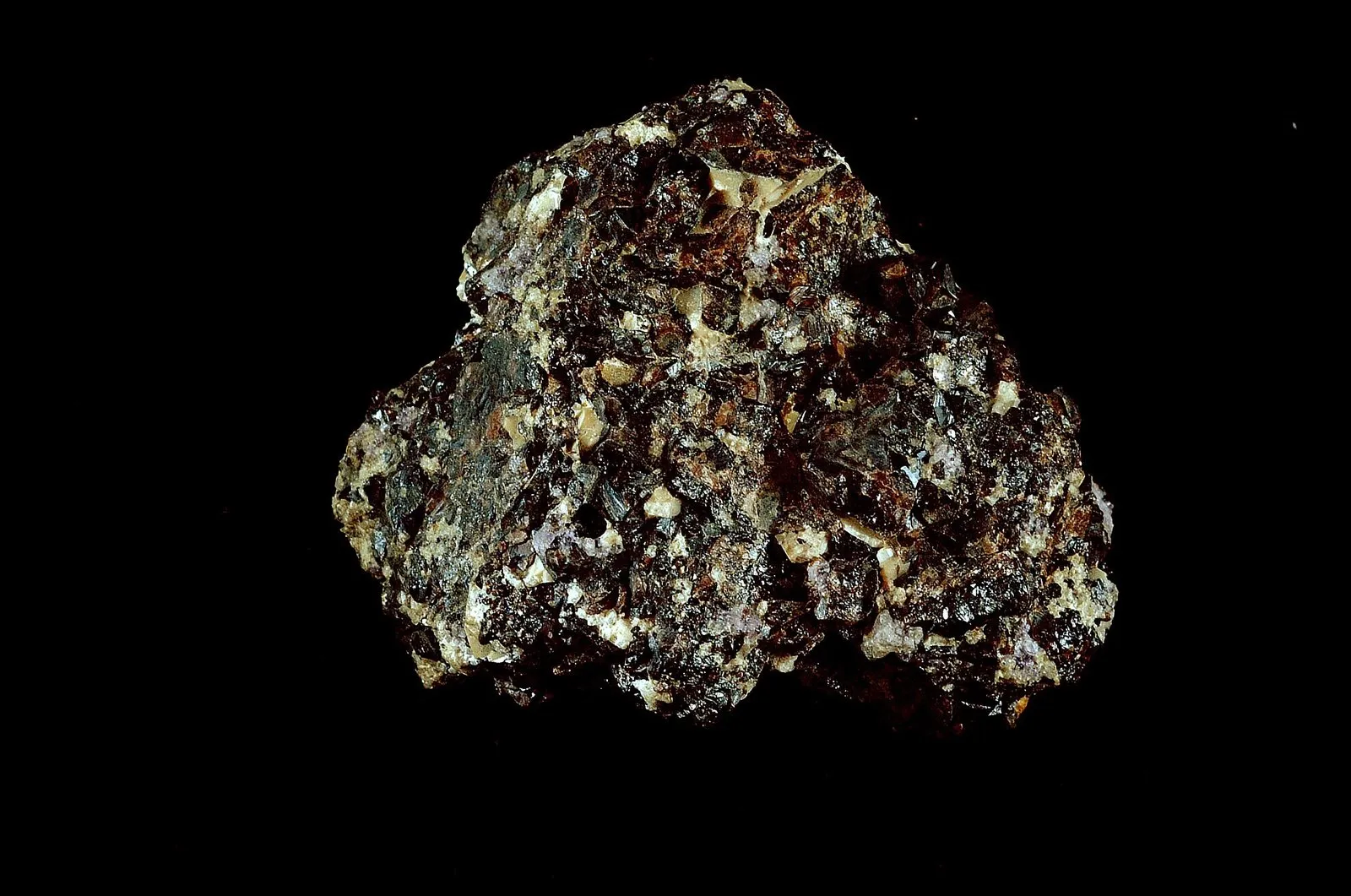
- Tantalum. The source mineral is mainly tantalite. The mixture of columbite and tantalite earned the nickname coltan. The USGS records artisanal mining of coltan in countries such as Burundi, Congo, Nigeria, Rwanda and Uganda. Brazil holds about 40% of the world’s identified tantalum resources, according to a 2017 USGS study.
Production concentrated in a few countries helps explain why these elements show up in discussions about critical minerals, a topic that has also reached Brazilian politics. See Law 15,506/2026: what changes with Brazil’s new critical minerals policy.
Is the old phone in your drawer a mine?
In a sense, yes. The idea of recovering metals from discarded devices has been named urban mining.
An old USGS survey, from 2006, gives a sense of the potential. Based on data from a recycler, it estimated that 1 tonne of obsolete cell phones (without batteries) contained on average 140 kg of copper, 3.14 kg of silver, 300 g of gold, 130 g of palladium and 3 g of platinum. These numbers refer to phones from the mid-2000s and do not necessarily apply to today’s smartphones.
The problem is that little of it goes back to industry. According to the Global E-waste Monitor 2024, a report published by the International Telecommunication Union (ITU), a UN agency, with partners:
- the world generated 62 million tonnes of e-waste in 2022, about 7.8 kg per person;
- only 22.3% of that total was collected and recycled in a documented way;
- the category of small IT and telecommunications equipment, which includes phones, came to 4.6 million tonnes, with a documented recycling rate of 22%;
- e-waste recycling meets at most 1% of the demand for rare earths;
- the projection is 82 million tonnes of e-waste in 2030.
In Brazil, Decree No. 10,240/2020 made take-back (reverse logistics) mandatory for household electrical and electronic products. In practice, consumers must drop off the device, turned off and with personal data removed, at collection points, and manufacturers and importers must give what is collected an environmentally appropriate destination, preferably recycling.
Recycling helps, but it does not do away with mining. The USGS itself describes metal recovered from phones as a complement to metal extracted from mines, as we show in Urban mining: can recycling e-waste replace mines?. And demand keeps rising: world lithium consumption, for example, grew 20% in 2025, according to the USGS. To see how other objects in your home also depend on mines, read Mining in everyday life: what comes from mines and is in your home.
Frequently asked questions
What minerals are in a phone?
The main elements are lithium, cobalt and graphite (battery), indium and tin (screen), copper, gold, silver, tin and tantalum (circuit board) and rare earths such as neodymium (magnets). They come from minerals such as spodumene, cassiterite, tantalite and sphalerite.
Is there gold in a phone?
Yes, in small amounts, in the board’s electrical connections. A 2006 USGS study estimated about 300 g of gold per tonne of obsolete cell phones from that time, not counting the batteries.
Where does the lithium in a phone battery come from?
It comes from brines, such as those in Chile and Argentina, or from minerals in rocks called pegmatites, such as spodumene. Australia, China and Chile were the largest producers in 2025, according to the USGS. Brazil also produces it, in Minas Gerais.
Does Brazil produce any mineral used in phones?
Yes. The country produces lithium (spodumene), tin (cassiterite), tantalum and graphite, according to the USGS and the ANM. In graphite, it has the world’s second-largest reserves.
Can recycling phones replace mining?
Not entirely. Discarded phones contain valuable metals, but only part of e-waste is recycled, and recycling meets at most 1% of the demand for rare earths. For now, it complements mining without replacing it.
Found this article useful? Share it with someone who also wants to understand mining.
Share
Sources
- Compound Interest – The chemical elements of a smartphone (February 19, 2014)
- USGS – Mineral Commodity Summaries 2026: Lithium (February 2026)
- USGS – Mineral Commodity Summaries 2026: Cobalt (February 2026)
- USGS – Mineral Commodity Summaries 2026: Graphite (February 2026)
- USGS – Mineral Commodity Summaries 2026: Tin (February 2026)
- USGS – Mineral Commodity Summaries 2026: Tantalum (February 2026)
- USGS – Mineral Commodity Summaries 2026: Indium (February 2026)
- USGS – Professional Paper 1802-M: Niobium and tantalum (2017)
- USGS – Professional Paper 1802-S: Tin (2017)
- USGS – Fact Sheet 2006-3097: Recycled cell phones, a treasure trove of valuable metals (July 2006)
- ANM – Sumário Mineral Brasileiro 2024 (Brazilian Mineral Summary): Lithium (base year 2023)
- ANM – Sumário Mineral Brasileiro 2024 (Brazilian Mineral Summary): Tin (base year 2023)
- ITU (UN) – Global E-waste Monitor 2024: press release (March 20, 2024)
- ITU (UN) – The Global E-waste Monitor 2024
- Planalto – Decree No. 10,240/2020 (take-back of electrical and electronic products)
Comments
No comments yet. Be the first to comment.