Law 15,506/2026: what changes with Brazil's new critical minerals policy
What Brazil's Law 15,506/2026, which created the National Policy on Critical and Strategic Minerals, provides: why it matters, pros, cons and what's next.
Translated from the original article in Portuguese. Read the original.
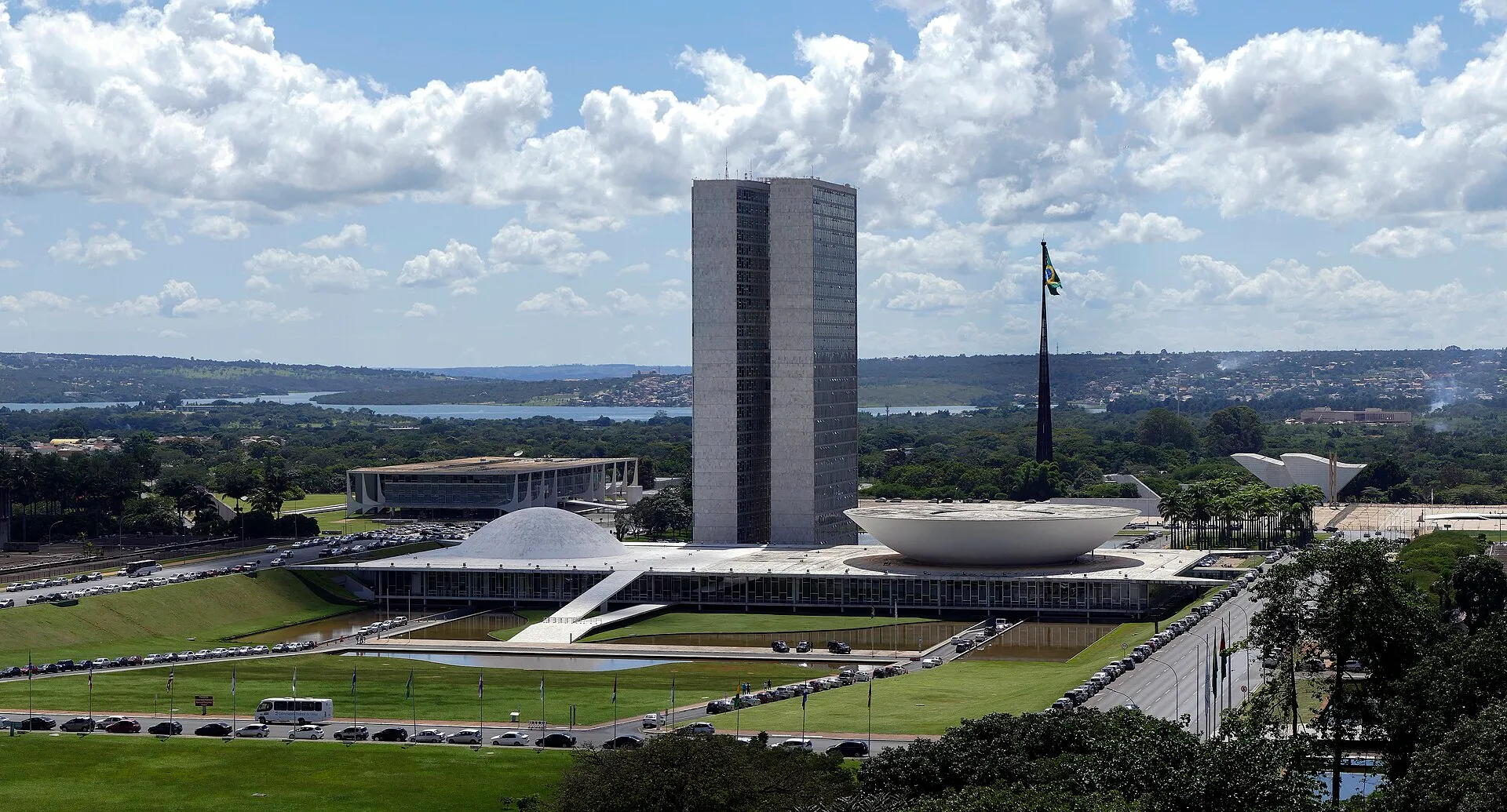
In September 2026, Brazil got a law dedicated to the minerals that power technology and the energy transition, found in cell phones, electric cars and data centers. Law 15,506/2026 creates the National Policy on Critical and Strategic Minerals. Below, we explain what the law provides, why it matters, its strengths and its weak points, and what changes for Brazil.
What happened
The law was signed on September 16, 2026, and published the same day in a special edition of the Diário Oficial da União, Brazil’s official gazette, according to Agência Senado, the Brazilian Senate’s news service. The text originated in Bill 2,780/2024, by Congressman Zé Silva (from the state of Minas Gerais). In the Chamber of Deputies, the rapporteur was Congressman Arnaldo Jardim (São Paulo). In the Senate, the rapporteur was Senator Eduardo Braga (Amazonas).
The policy covers the entire chain of these minerals: exploration, extraction, mineral processing, mineral transformation and urban mining. Urban mining is the recovery of metals from discarded products, such as cell phones, computers and batteries.
Critical or strategic?
The law distinguishes between the two types, according to Agência Senado:
- Critical minerals are those needed for key sectors of the economy but with insufficient availability because of low production in the country. A shortage of them could affect the energy transition, food security or national sovereignty.
- Strategic minerals are those that matter because of their significant reserves and their importance to the trade balance, technological and regional development, or the reduction of greenhouse gases.
The main instruments
| Instrument | What it is |
|---|---|
| National Council for the Industrialization of Critical and Strategic Minerals (Cimce) | A body linked to the Presidency of the Republic that coordinates, plans and monitors the policy. |
| Mining Activity Guarantee Fund (FGAM) | A fund with a federal government stake of up to R$ 2 billion (Brazilian reais), to provide guarantees for projects in the sector. |
| Federal Program for the Processing and Transformation of Critical and Strategic Minerals (PFMCE) | May grant tax credits of up to R$ 1 billion a year, from 2030 to 2034, to companies that process and transform these minerals in Brazil, or that carry out urban mining. |
| Low-carbon mineral certificate | Created by the law, according to Agência Câmara (the Chamber of Deputies’ news service), to identify production with lower carbon emissions. |
To receive the benefits, companies must meet obligations set out in the law, such as investments in research, development and innovation and social and environmental commitments.
Why it matters
Brazil has the second-largest rare earth reserves in the world, about 11 million tonnes according to the US Geological Survey (USGS), but accounts for less than 1% of world production. And most of the value in this chain is not at the mine but in processing: separating the elements, producing metals and making magnets, stages currently dominated by China.
The central goal of the law, according to Agência Senado, is to develop the production chain and add value on Brazilian soil. Instead of just exporting ore or concentrate, the idea is to encourage Brazil to carry out the following industrial stages as well.
To better understand this context, read Rare earths: what they are, what they are used for and why they matter to Brazil.
Pros and cons
Strengths
- Focus on adding value. The tax incentives target processing and transformation, which is where most of the chain’s value lies.
- Lower risk for investors. A guarantee fund can make it easier to finance mining projects, which usually require a lot of capital and take years to pay off.
- Urban mining included. Reusing metals from discarded electronics can complement traditional mining.
- Mandatory obligations. Companies that benefit must invest in innovation and meet social and environmental requirements.
Points to watch
- Tax credits only start in 2030. Until then, the main practical effect depends on the guarantee fund and on the council’s work.
- A lot depends on regulations. How the detailed rules are defined, and how the obligations are enforced, will determine the outcome of the policy.
- There is a cost to the public purse. Credits of up to R$ 1 billion a year are revenue the government gives up. It is worth following what results they produce.
- The social and environmental debate continues. A survey by Repórter Brasil using data from the ANM, Brazil’s National Mining Agency, indicates that some rare earth exploration applications overlap with protected areas and with the territories of traditional communities. Encouraging the sector requires clear rules on where and how to mine.
And in Brazil?
In practice, the law arrives at a busy moment for the sector:
- the main rare earth mine operating in Brazil is in Minaçu, in the state of Goiás, and there are projects under study and in licensing, mainly in the states of Minas Gerais and Goiás;
- the official reserve statistics were recently revised, as we explain in How much rare earth does Brazil have? Why the numbers change;
- according to Agência Câmara, the Cimce was set up when the law was signed. On the same occasion, Minister of Mines and Energy Alexandre Silveira said that research investment by the Geological Survey of Brazil (SGB) will rise from R$ 8 million in 2026 to R$ 300 million in 2027.
What to watch from here
- The law’s regulations: the detailed rules for the fund, the credit program and the obligations.
- The Cimce’s decisions: which minerals and projects will be prioritized.
- The first processing projects: whether the country will actually move beyond the mine.
To understand how the topic entered Brazil’s 2026 political debate, read Why is everyone talking about rare earths?. MineraMente will follow and explain each step.
Found this article useful? Share it with someone who also wants to understand mining.
Share
Sources
- Brazilian Federal Senate – Lei nº 15.506, de 16 de setembro de 2026 (Law 15,506 of September 16, 2026, full text)
- Agência Senado – National Policy on Critical and Strategic Minerals signed into law (September 17, 2026)
- Agência Câmara de Notícias – New law creates the National Policy on Critical and Strategic Minerals (September 16, 2026)
- Repórter Brasil – Foreign mining companies hold 4 out of 10 rare earth projects in Brazil (August 2026)
- USGS – Mineral Commodity Summaries 2026: Rare Earths
Comments
No comments yet. Be the first to comment.