Environmental impacts of mining: what they are and how they can be reduced
Water, soil, air, noise, wildlife and communities: the main environmental impacts of mining, how they differ from illegal wildcat mining and how to reduce them.
Translated from the original article in Portuguese. Read the original.
The environmental impacts of mining go beyond the hole of the pit: they involve vegetation and soil, water, dust, noise, waste, wildlife and the lives of people who live nearby. Almost all of them can be avoided, reduced or offset, as long as they are anticipated beforehand and controlled during operation. Below, each impact and what exists to reduce it.
In short
- The main impacts affect soil and vegetation, water, air, noise and vibration, wildlife and communities.
- Water accounts for a large share of the risks: consumption, lowering of the water table, acid drainage, sediments and contaminants.
- Licensed mining and illegal wildcat mining are different things. Mercury from wildcat gold mining is one of the most serious problems in the Amazon.
- Brazilian law requires anyone who exploits mineral resources to carry out an impact study (EIA/Rima) and to rehabilitate the degraded area.
- Impact control follows an order: avoid, reduce and, as a last resort, offset.
Soil and vegetation
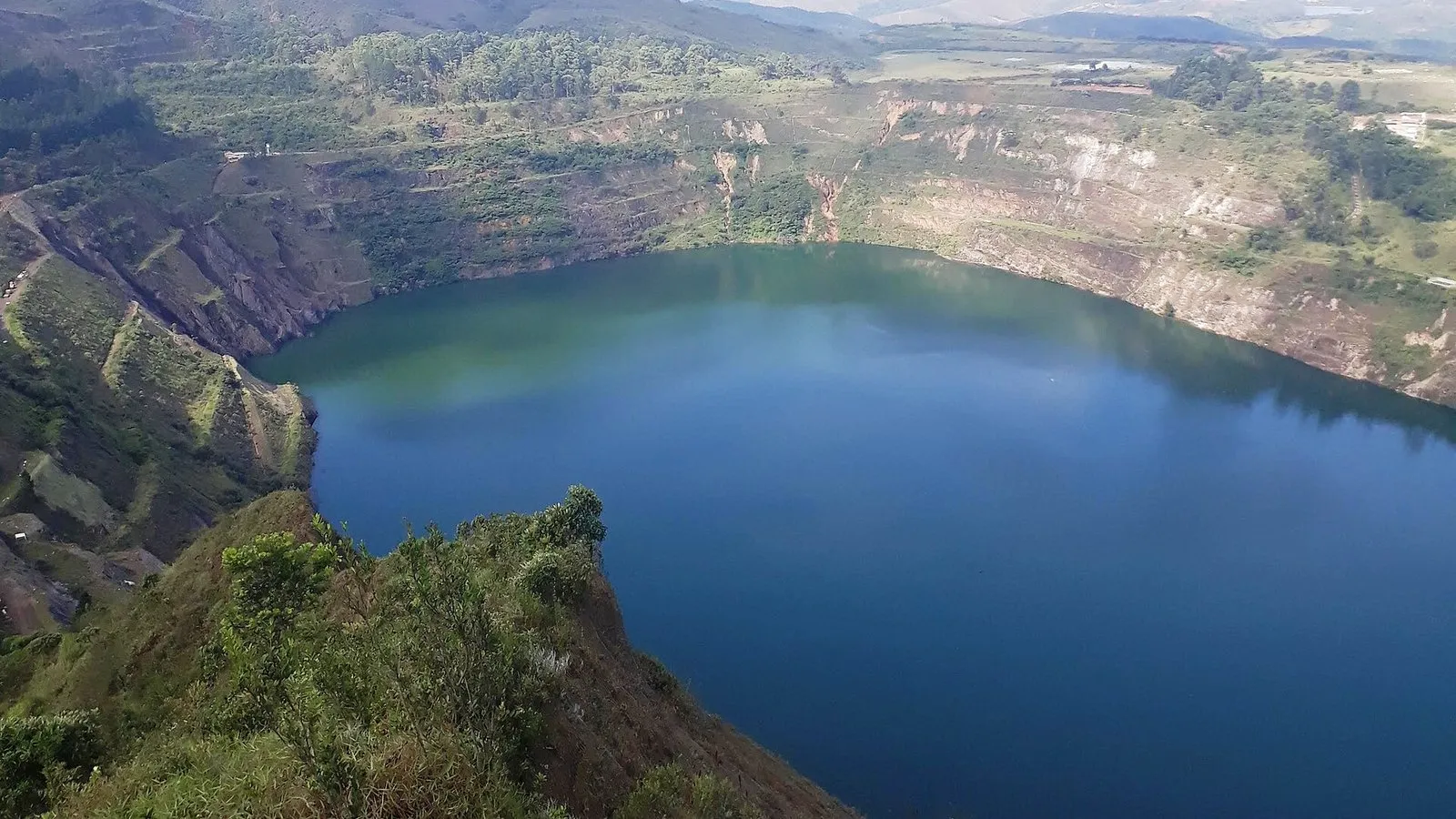
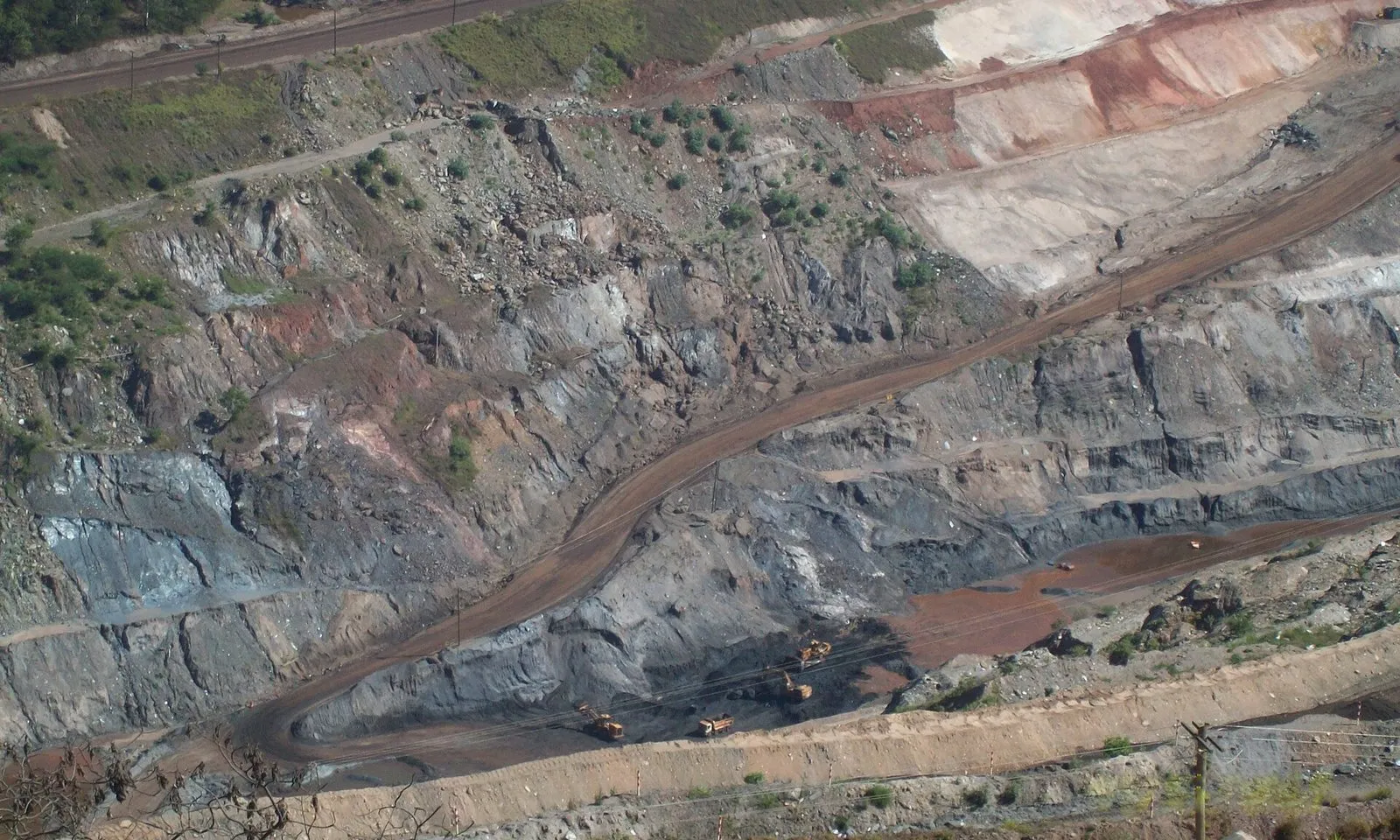
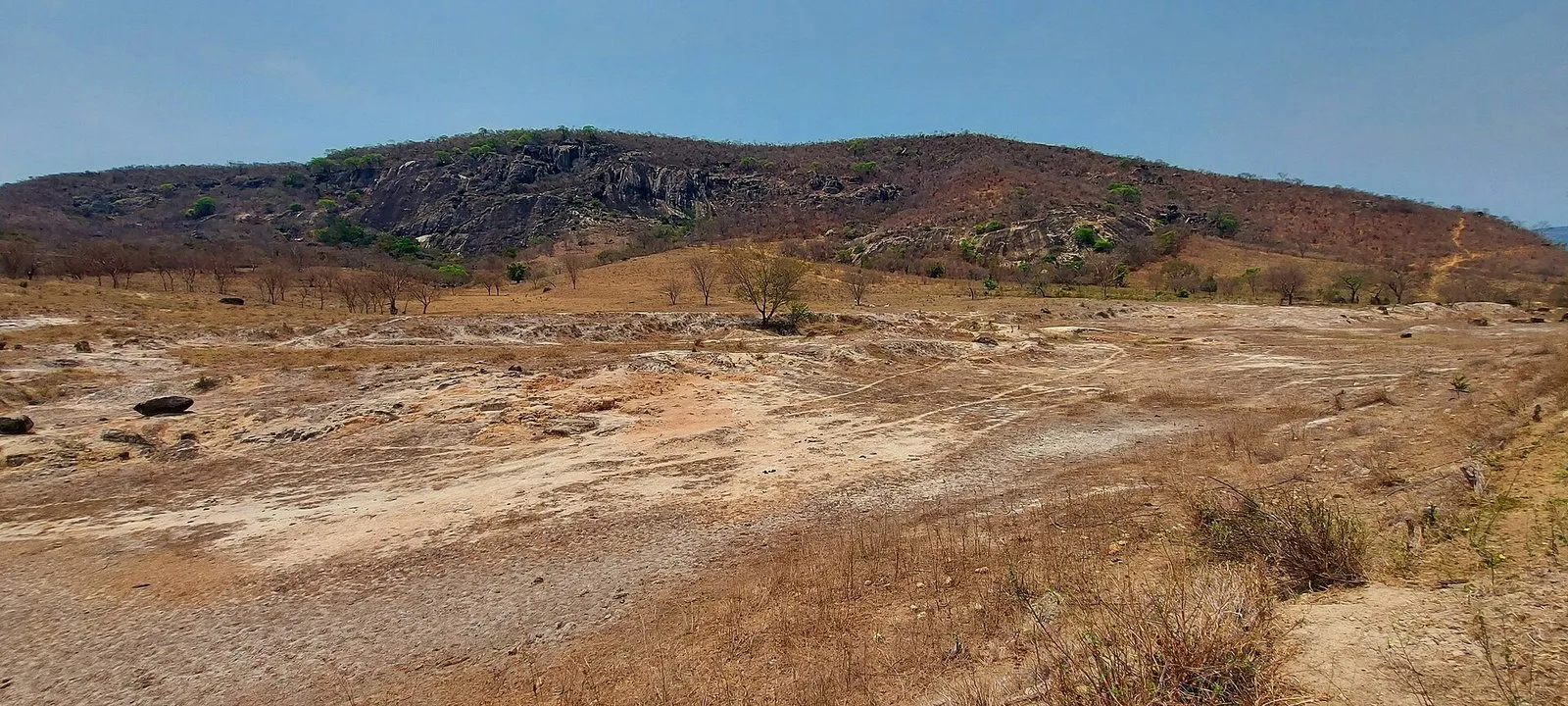
Every stage of a mine affects the environment, as shown in How a mine works: from discovery to closure. The first mark is the clearing of vegetation and the removal of soil to open the pit. Piles of waste rock (the worthless rock removed to reach the ore), roads and facilities take up more land. The result is habitat loss, erosion and a changed landscape.
How to reduce it: avoid the most sensitive areas from the design stage; rehabilitate throughout operation, without waiting for the mine to end (what is called progressive closure, which Brazil’s National Mining Agency (ANM), in a presentation at a Federal Public Prosecutor’s Office workshop in 2025, points to as a practice to be encouraged); and offset whatever remains by supporting protected areas, as required by Law No. 9,985/2000.
Water: consumption, water table and contamination
How much water mining uses
According to data from Brazil’s National Water and Sanitation Agency (ANA), gathered in a book published in 2024 with the Brazilian Mining Institute (IBRAM), mining accounted for 1.6% of water withdrawals for consumptive uses in Brazil in 2022, compared with 50.5% for irrigation. Iron ore accounts for about 60% of the water withdrawn by the sector.
The national figure is small, but the local effect can be large. In Parauapebas (Pará state), estimated withdrawals by mining were 8.16 m³/s out of a total of 8.84 m³/s in the municipality, according to the same publication (2023 data).
How to reduce it: the main tool is recirculation, which returns water to the process in a closed loop. In 2012 data from CNI (Brazil’s National Confederation of Industry) and IBRAM, it reached 90% in iron ore concentrate and 83% in copper. Rainwater, reuse of treated effluents and dry processing also reduce water intake.
Lowering the water table
Many pits go below the groundwater level. To work safely, the mine pumps out that water: this is lowering the water table (dewatering), which can affect nearby springs and wells.
When it began on a large scale in the Quadrilátero Ferrífero (the “Iron Quadrangle,” an iron-mining region in Minas Gerais state) in the 1980s, communities reacted with distrust, according to the ANA and IBRAM publication. That led to practices that are common today: mapping springs and water users before the project, monitoring piezometers (which measure the groundwater level) and returning water to the environment.
Acid mine drainage
Acid mine drainage happens when sulfur-bearing minerals, such as pyrite, are exposed to air and water. The reaction produces acid, and the water starts carrying iron, aluminum, manganese and other metals.
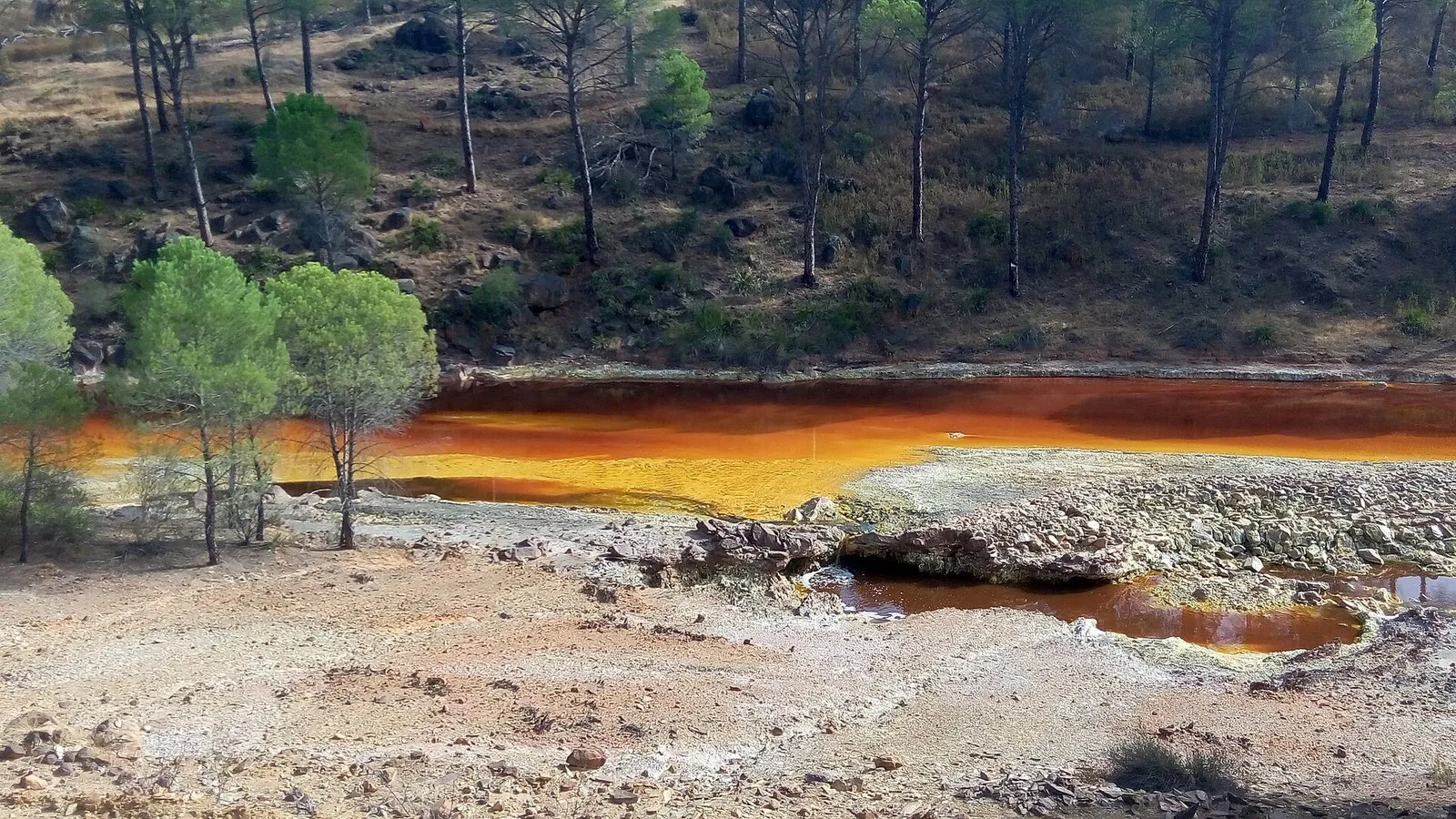
The best-known Brazilian case is the pyrite-rich coal of southern Santa Catarina state. A 2024 study by researchers from the Geological Survey of Brazil and UFRGS (Federal University of Rio Grande do Sul) records that, despite 20 years of rehabilitation, at least 1,241 km of watercourses were still affected in the Araranguá, Tubarão and Urussanga river basins, according to a 2019 survey. Only 24% of the study’s samples had a pH within the limits set by Brazil’s Ministry of Health.
How to reduce it: the usual treatment is neutralization, which uses a lot of reagents and generates a lot of sludge. Prevention is cheaper. In a 2016 UFRGS study, separating pyrite from coal tailings by density reduced the volume discarded by 30%, and the remaining material had an 80% to 90% lower potential to generate acidity.
Sediments and contaminants
When it rains, exposed soil and piles release sediments that cloud the water and silt up rivers. Effluents from mineral processing can carry reagents and metals: according to the ANA and IBRAM publication, iron ore generates little contamination, but sulfide ores and processes that use cyanide require more complex treatment. The responses are to control rainwater drainage, use settling ponds, treat effluents and monitor the water.
Air, dust, noise and vibration
Trucks, rock blasting, crushing and piles generate dust. To control it, mines wet roads and piles, preferably with reused water, and some use polymer solutions that keep the surface moist for longer, according to the ANA and IBRAM publication.
Blasting causes ground vibration and a boom in the air. The Brazilian technical standard ABNT NBR 9653:2018 sets limits for these effects in mining operations near urban areas. A federal monitoring program based on it sums up the control measures: a prior inspection of neighboring properties, measurement with seismographs and reducing the explosive charge when limits are exceeded.
Tailings and waste rock
Mineral processing leaves behind tailings, a fine material that must be stored safely. Together with waste rock, they take up land and can generate sediments and acid drainage. Tailings dams are a topic of their own. Techniques that remove water from tailings (thickened, paste or filtered) reduce volume, recover water and allow safer structures, according to the ANA and IBRAM publication.
Wildlife and communities
Animals feel the combined impacts: loss of vegetation, changes in water, dust and noise. In federal licensing, Ibama Normative Instruction No. 146/2007 (Ibama is Brazil’s federal environmental agency) organizes wildlife management in stages: surveying species, monitoring and, when the licensing agency requires it, rescue and salvage.
For communities, mining generates revenue, such as the CFEM (Brazil’s financial compensation for mineral extraction), but it can compete for water with people who live nearby. The ANA and IBRAM publication acknowledges this risk of conflict and calls for more transparency in technical data. Whether the money reaches those affected is a debate covered in Mining myths and facts.
Licensed mining and illegal wildcat mining
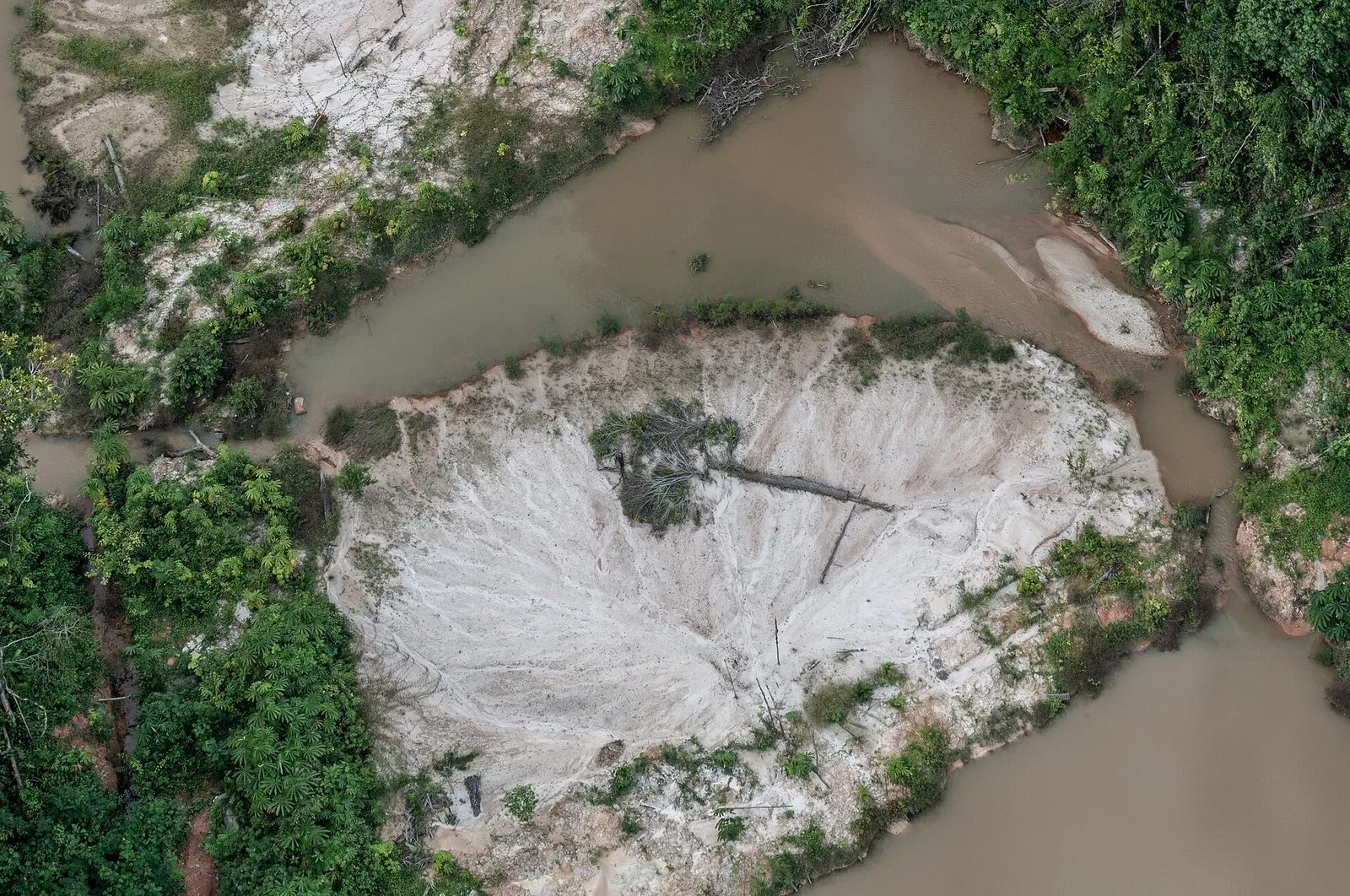
Illegal informal mining, known in Brazil as garimpo, goes through no license, study or oversight. According to MapBiomas, in 2022 Brazil had 263,000 hectares of wildcat mining, 92% of them in the Amazon. In that biome, 77% of the wildcat-mined area was within 500 meters of rivers and lakes, and 25,100 hectares were on Indigenous lands. Wildcat mining churns up riverbeds and banks and, in the case of gold, uses mercury, which builds up in fish.
A study by Fiocruz (a Brazilian public health research foundation) with WWF-Brasil assessed 200 residents of three villages in the Sawré Muybu Indigenous Land, of the Munduruku people, in the middle Tapajós region (Pará state). Samples were collected in 2019, and the technical note was released in November 2020:
| Result | Figure |
|---|---|
| Participants with mercury in their hair | All |
| Above the safety limit (6 µg/g) | 57.9% |
| In the village beside the river most affected by wildcat mining | 87.5% |
| Children under 5 with problems in neurodevelopment tests | 9 of 57 (15.8%) |
| Fish samples with mercury | All |
Brazil enacted the Minamata Convention on Mercury in 2018 (Decree No. 9,470). Article 7 deals with artisanal gold mining and calls for measures to reduce and, where feasible, eliminate the use of mercury.
How impacts are controlled in Brazil
| Instrument | What it requires |
|---|---|
| Constitution, art. 225, paragraph 2 | Anyone who exploits mineral resources must restore the degraded environment, according to the technical solution required by the public agency. |
| Conama Resolution No. 1/1986 | Ore extraction requires an EIA and Rima to be licensed. |
| Decree No. 97,632/1989 | Along with the EIA/Rima, a degraded area rehabilitation plan must be submitted. |
| Law No. 9,985/2000, art. 36 | Projects with significant impact must support protected areas. |
| ANM Resolution No. 68/2021 | Every project needs a mine closure plan. |
The EIA (Environmental Impact Study) is the technical study; the Rima (Environmental Impact Report) is its version in accessible language. With them, the environmental agency sets the conditions for each license. The mining method also matters: as explained in Ionic clay, leaching the ore in the ground itself, as in China, or treating it in a plant makes a big difference to the risk for soil and water.
And after the mine closes?
Acid drainage, piles and pits require care after mining ends. That is why closure should be planned from the start, with physical and chemical stability of the structures and a future use for the area. The Santa Catarina coal region shows the cost of not planning. The stages are covered in Mine closure and land rehabilitation.
The useful question is not whether mining has an impact, because it does. It is how much of it can be avoided, who oversees it and who pays for what remains, since almost everything in your home depends on minerals, as shown in Mining in everyday life.
Frequently asked questions
What are the main environmental impacts of mining?
Clearing of vegetation and soil, changes in the quantity and quality of water, dust, noise and vibration, tailings and waste rock, effects on wildlife and impacts on neighboring communities.
What is acid mine drainage?
It is water that becomes acidic when sulfur-bearing minerals, such as pyrite, react with air and water, dissolving metals. In southern Santa Catarina, more than 1,200 km of watercourses were still affected in 2019.
Does mining use a lot of water in Brazil?
In total, not much: 1.6% of withdrawals for consumptive uses in 2022, according to the ANA. But the local effect can be high, which is why recirculation is so important.
Why is illegal wildcat mining so harmful?
Because it operates without a license or controls and, in the case of gold, uses mercury, which builds up in fish. In the Amazon, 77% of the wildcat mining area is within 500 meters of rivers and lakes, according to MapBiomas.
Who is required to rehabilitate a mined area?
Under the Constitution, whoever exploits the mineral resource. The regulations require a degraded area rehabilitation plan and a mine closure plan.
Found this article useful? Share it with someone who also wants to understand mining.
Share
Sources
- Federal Constitution of 1988, art. 225, paragraph 2 (Planalto)
- Conama Resolution No. 1/1986 (environmental impact assessment) – copy from IEMA, the environmental agency of Espírito Santo state
- Decree No. 97,632/1989 (degraded area rehabilitation plan in mining)
- Law No. 9,985/2000 (Snuc, National System of Conservation Units), art. 36: environmental compensation
- ANA and IBRAM – Perspectivas e avanços da gestão de recursos hídricos na mineração (Outlook and progress in water resource management in mining, 2024)
- Cardoso and Fan – Mining's legacy: impacts of acid mine drainage on the rivers of the Santa Catarina coal region, Geochimica Brasiliensis 38 (2024)
- Weiler, Amaral Filho and Schneider – Processing coal tailings to reduce the cost of treating acid mine drainage, Engenharia Sanitária e Ambiental 21(2) (2016), Lume/UFRGS repository
- Mattos Filho – ANM publishes new regulation for the Mine Closure Plan (ANM Resolution No. 68/2021, May 10, 2021)
- ANM, Mine Closure Division – Presentation on mine closure at the Federal Public Prosecutor's Office workshop "Mineração em foco" (February 6, 2025)
- Ibama Normative Instruction No. 146/2007 (wildlife management in licensed projects) – Official Gazette of the Union of January 11, 2007, copy from FAO
- MapBiomas – Proximity of wildcat mining, rivers and lakes in the Amazon (April 2024, 2022 data)
- WWF-Brasil and Fiocruz – Technical note: impact of mercury on the health of the Munduruku Indigenous people in the Tapajós basin (November 2020)
- Decree No. 9,470/2018 (enacts the Minamata Convention on Mercury)
- MapBiomas – Mining Monitor (beta), fact sheet (December 3, 2025)
- Ministry of Transport – Noise and vibration monitoring program (cites ABNT NBR 9653:2018)
Comments
No comments yet. Be the first to comment.