How a mine works: from discovery to closure
How a mine works in Brazil, step by step: mineral exploration, permits, open-pit or underground mining, mineral processing and closure.
Translated from the original article in Portuguese. Read the original.
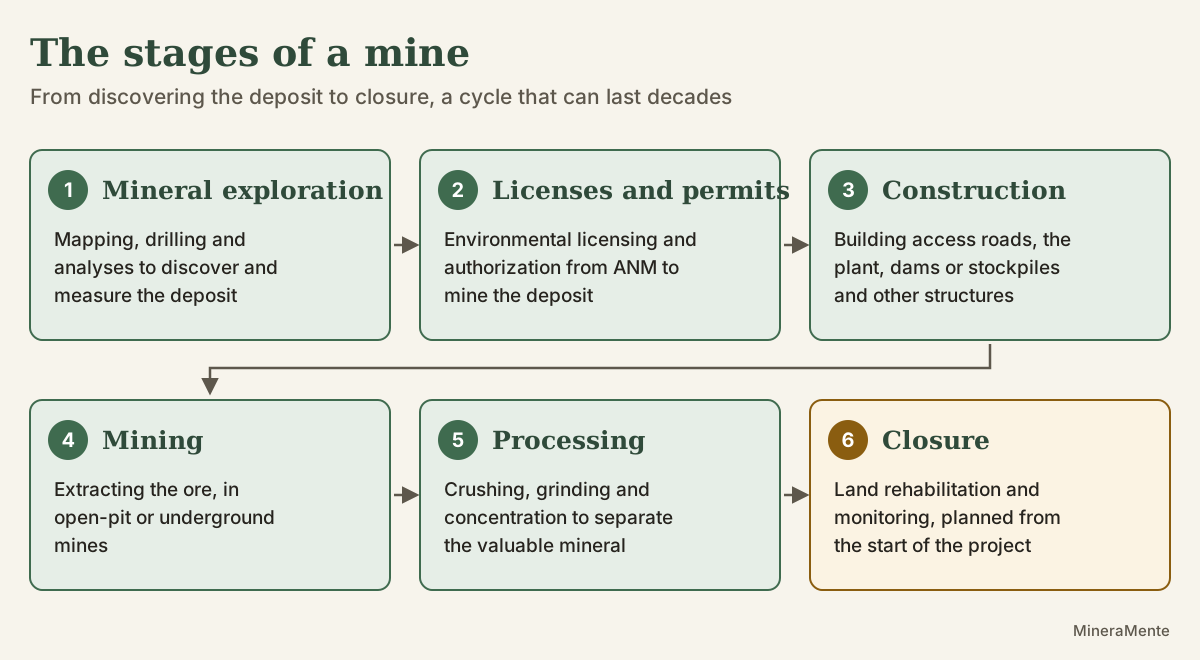
When people talk about a mine, the image that comes to mind is usually a big hole with giant trucks. That is only part of the story. A mine is a project that lasts many years, starting well before the first excavation and ending well after the last. In this guide, we walk through the stages of a mine in Brazil, from the discovery of the deposit to closure.
In short
- A mine goes through six major stages: mineral exploration, permits and mining rights, construction, mining, mineral processing and closure.
- In Brazil, extraction depends on mining titles, granted by the National Mining Agency (ANM) or by the Ministry of Mines and Energy, and on environmental licensing.
- Extraction, called mining (in Portuguese, lavra), can be open-pit or underground.
- Mineral processing turns raw ore into a more concentrated product.
- Closure has to be planned before the mine operates and must follow an approved plan.
First, an important difference: mineral and ore
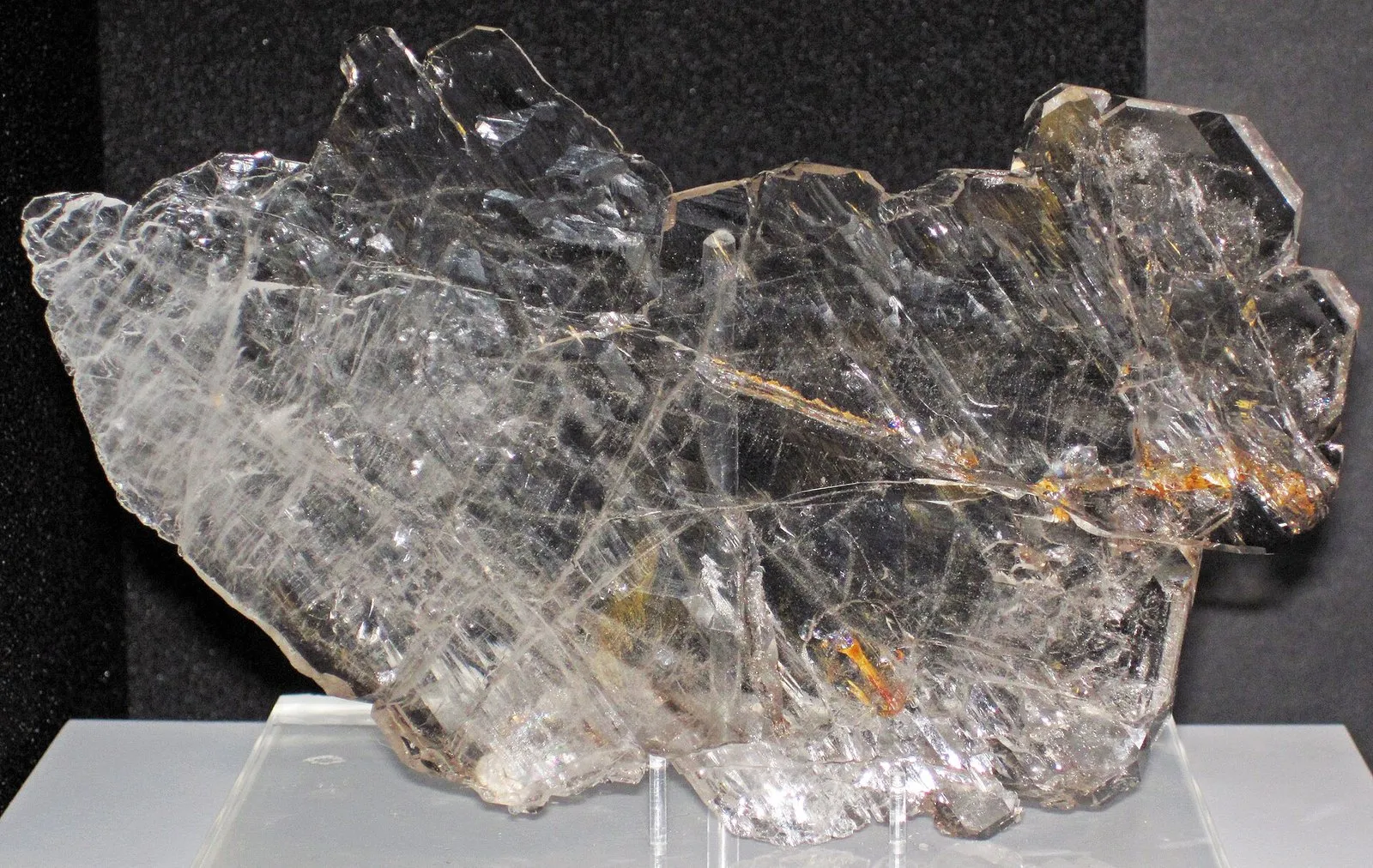
A mineral is a natural, solid substance with a defined chemical composition, such as quartz or hematite. An ore is rock made of a mineral or a set of minerals that contains at least one mineral that can be recovered in an economically viable way. Every ore is made of minerals, but not every mineral in it has value: the part that is not recovered is called gangue. The difference is explained in detail in Mineral, ore and rock: what is the difference.
This difference explains why a mine only exists when there is a deposit worth mining, and that is where the first stage begins.
1. Mineral exploration: finding and measuring the deposit
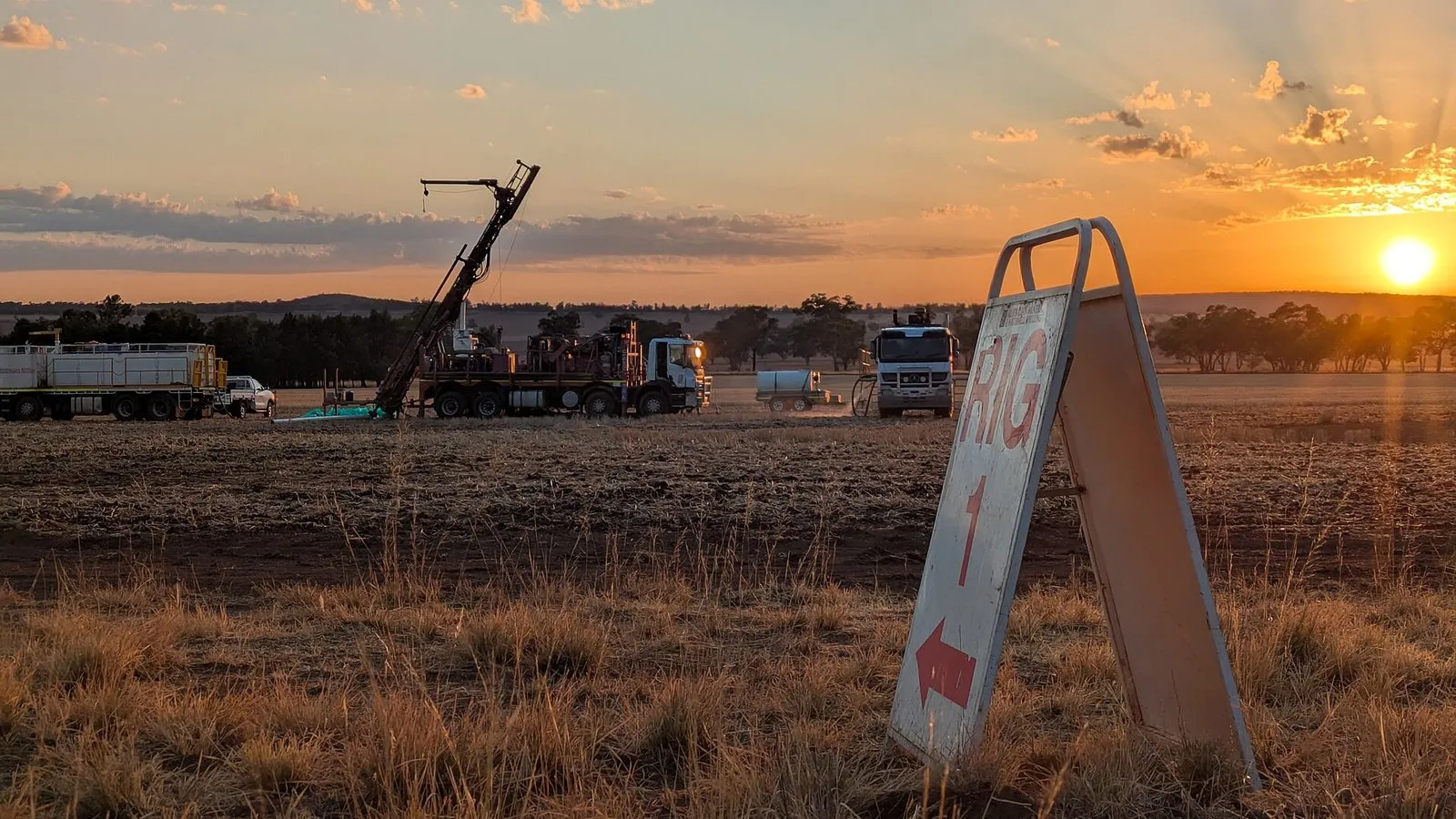
Before any excavation, you need to know what is underground, in what quantity and at what grade. Mineral exploration combines geological mapping, sample collection, chemical analyses and drilling: boreholes that, in many cases, bring up cylinders of rock from underground, called drill cores (see Mineral exploration: how a deposit is found).
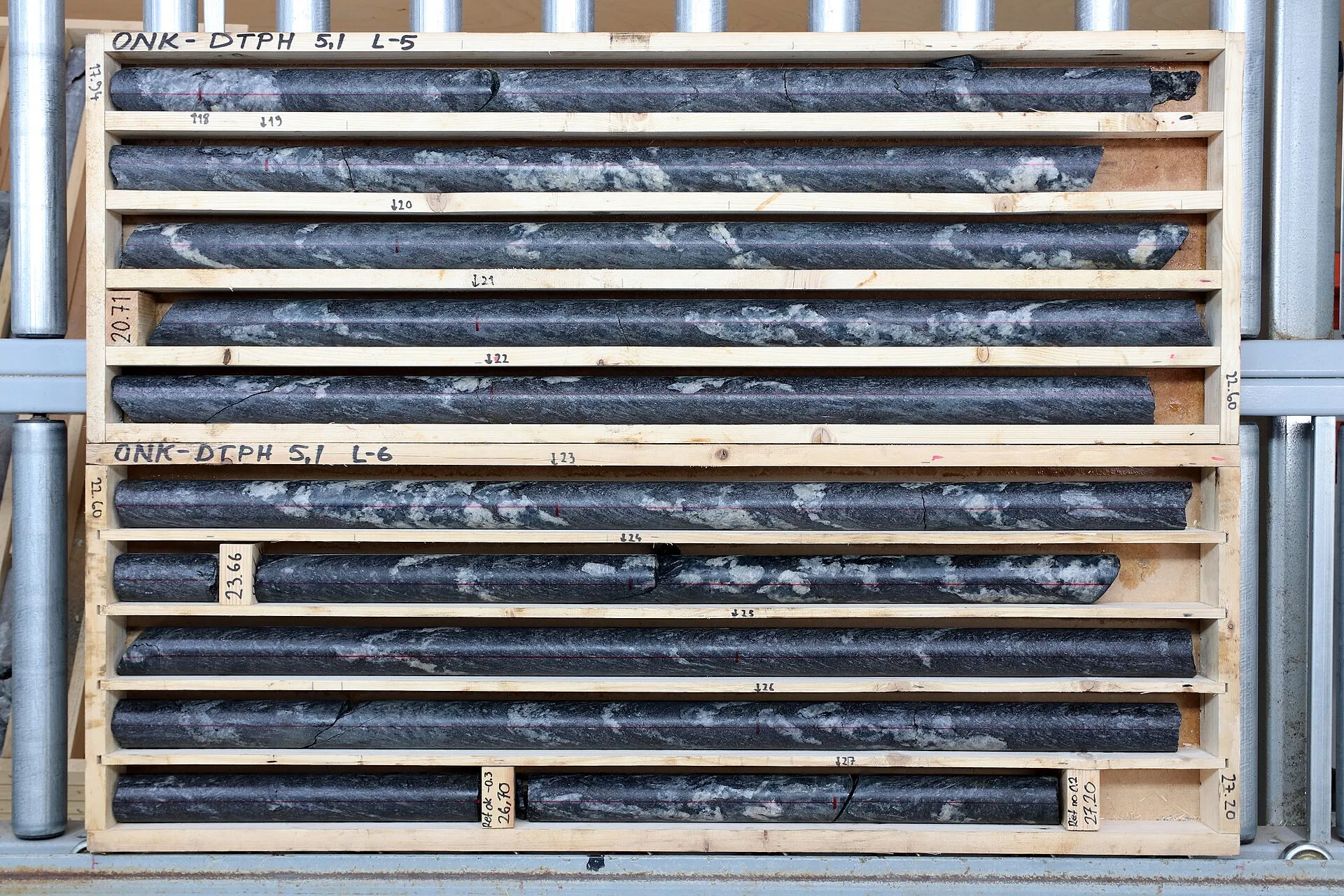
In Brazil, exploration requires an exploration permit granted by the ANM, Brazil’s National Mining Agency. At the end, the company submits a report with the results. Based on it, the resource of the deposit is estimated and then, after economic studies, its reserve. The difference between the two is explained in How much rare earth does Brazil have? Why the numbers change.
2. Permits and mining rights: permission to mine
Having a good deposit is not enough. To extract the ore, two different authorizations are needed:
The mining right. Under the rules of the Mining Code, regulated by Decree No. 9,406/2018, approved exploration allows the company to apply for a mining concession, the title that authorizes mining the deposit. In general, it is granted by an ordinance of the Minister of Mines and Energy; for some construction materials, by the ANM itself. There are also other regimes, such as licensing for some construction materials and the permit for garimpo (informal, small-scale mining), known as permissão de lavra garimpeira.
Environmental licensing. Under Conama Resolution No. 237/1997 (Conama is Brazil’s National Environment Council), and also under the General Environmental Licensing Law (Law No. 15,190/2025), in force since February 2026, standard licensing takes place in three phases (see the step-by-step in Environmental licensing of mining in Brazil):
| License | What it authorizes |
|---|---|
| Preliminary License (LP) | Approves the location and design of the project and sets the conditions to be met. |
| Installation License (LI) | Authorizes the construction of the structures. |
| Operating License (LO) | Authorizes the start of operations, after the previous conditions have been verified. |
Projects that may cause significant environmental degradation also require an Environmental Impact Study (EIA) and its accompanying report (Rima), submitted at the preliminary license phase. This step can take more than a year.
3. Construction: building the mine
With the licenses in hand, construction begins: access roads, power, the processing plant, areas to dispose of waste rock (the worthless rock removed to reach the ore) and structures for tailings, such as piles or dams. This phase requires a lot of capital, coming from investors or from the company itself.
4. Mining: extracting the ore
Mining (lavra) is the technical name for extraction. It can be done in two main ways:
- Open-pit: the ore is removed from the surface, forming a pit with steps called benches. It is the most common method when the deposit is closer to the surface.
- Underground: the ore is reached through tunnels, ramps and shafts. It is generally used when the deposit is deeper.
The differences between the two methods are covered in Open-pit vs. underground mining: what are the differences.
In general, mining involves drilling, breaking the rock (often with explosives), loading and hauling the material to the plant or to the waste rock piles.
5. Mineral processing: from ore to product
The ore that comes out of the mine is not ready for industry yet. In mineral processing, it goes through steps such as:
- Crushing: breaking the rocks into smaller pieces.
- Grinding: reducing them to fine particles, to free the mineral of interest.
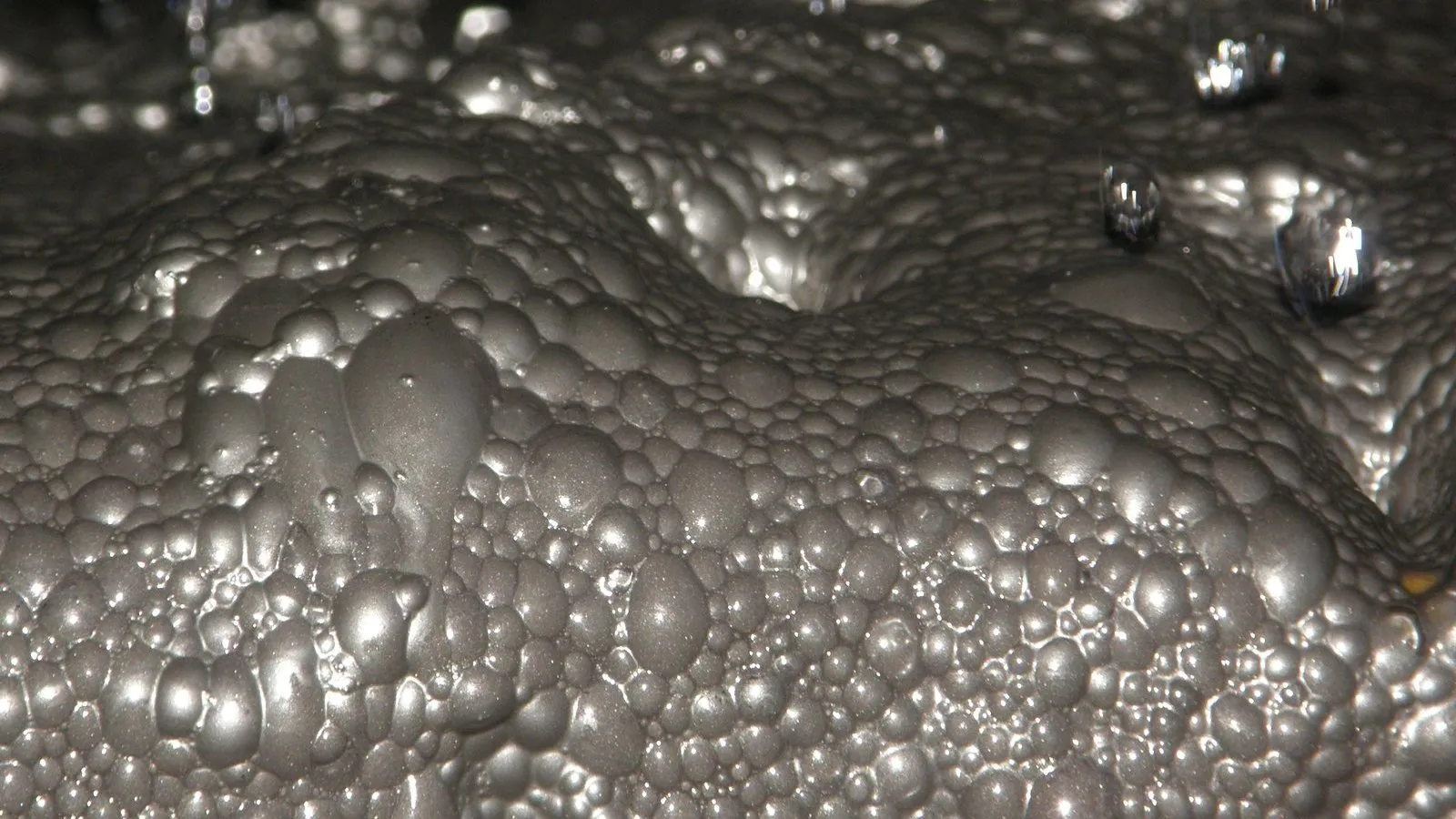
- Concentration: separating the mineral of interest from the rest, using differences in density, magnetism or the surface properties of the particles, as in flotation.
The result is a concentrate, richer in the desired material. What is left over is tailings, which must be stored safely (more details in Mineral processing: how ore becomes raw material). In cases such as rare earths, there are further chemical steps afterward, such as separating the elements.
6. Closure: the (planned) end of the mine
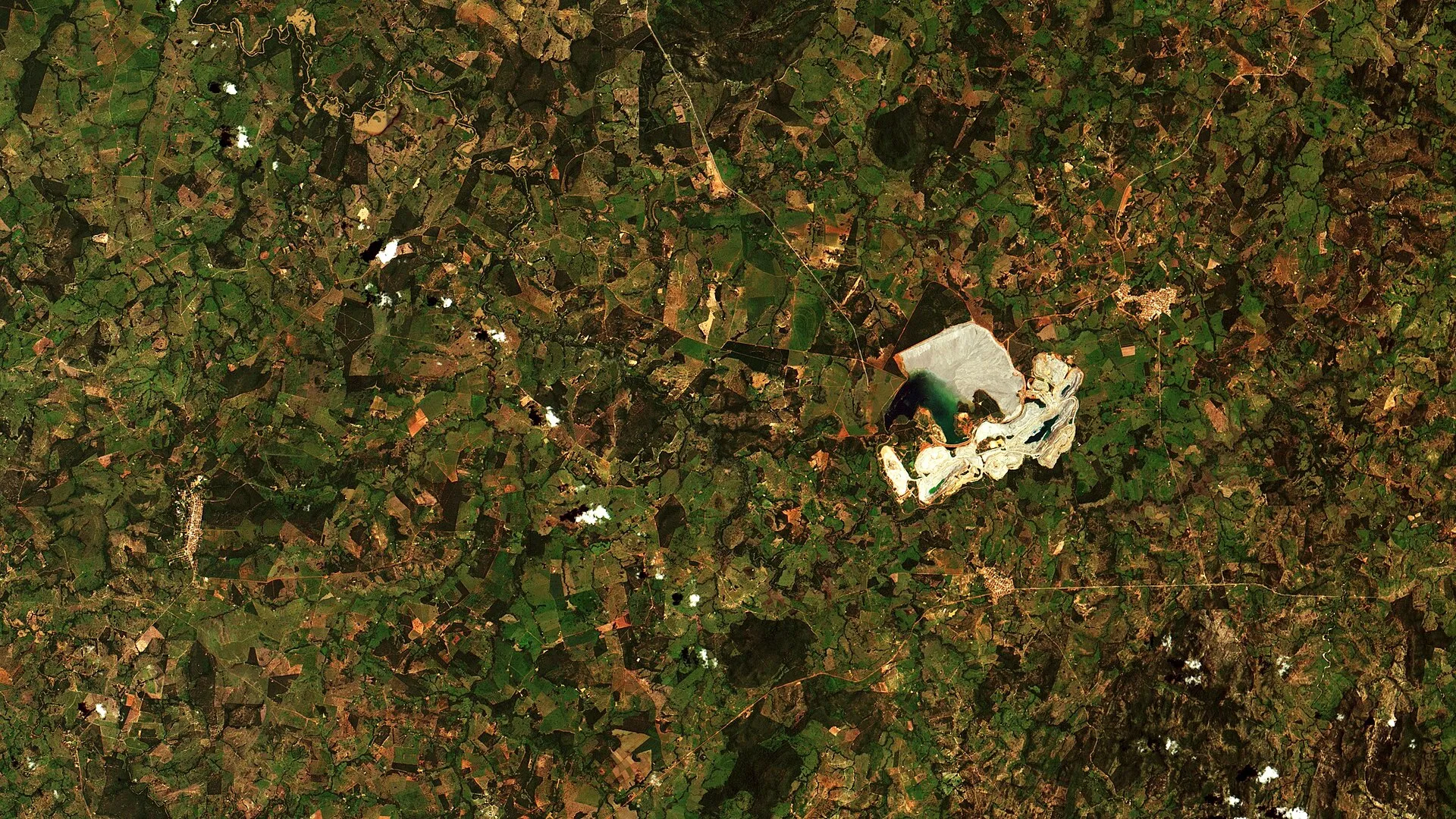
Every mine has a limited life. The Caldeira Project, a rare earth project in Minas Gerais, a state in southeastern Brazil, for example, expects an initial mine life of more than 20 years, according to the feasibility study released by the company in July 2026. When the ore runs out or stops being viable, closure begins.
In Brazil, every mining operation needs a Mine Closure Plan, under ANM Resolution No. 68/2021. The plan must be updated throughout the life of the mine and covers the physical and chemical stability of the area, environmental rehabilitation and a future use for the land. That is why the closure plan is already required in the application for a mining concession, before the mine starts operating (see Mine closure and land rehabilitation).
Want to know more about the impacts and what is myth in this debate? Read Mining myths and facts.
Frequently asked questions
What are the stages of a mine?
Mineral exploration, permits and mining rights, construction, mining, mineral processing and closure.
What is the difference between a mineral and an ore?
A mineral is a natural, solid substance with a defined chemical composition. An ore is rock that contains one or more minerals that can be recovered in an economically viable way.
What is “lavra”?
It is the Portuguese technical term for mining, that is, extracting the ore. It can be open-pit, from the surface, or underground, through tunnels and shafts.
Who authorizes a mine in Brazil?
On the mining side, the National Mining Agency (ANM) grants the exploration permit, and the mining concession is generally issued by an ordinance of the Minister of Mines and Energy. On the environmental side, the responsible environmental agency issues the preliminary, installation and operating licenses.
What happens when a mine closes?
The company has to carry out its Mine Closure Plan, which covers stabilizing and rehabilitating the area and a future use for the land.
Found this article useful? Share it with someone who also wants to understand mining.
Share
Sources
- Decree No. 9,406/2018 (regulates the Brazilian Mining Code)
- Conama Resolution No. 237/1997 (environmental licensing) – copy from IEMA, the environmental agency of Espírito Santo
- Law No. 15,190/2025 (General Environmental Licensing Law)
- Demarest – ANM Resolution No. 68/2021: Mine Closure Plan concepts
- Mattos Filho – ANM publishes new regulation for the Mine Closure Plan (ANM Resolution No. 68/2021, May 10, 2021)
- ANM Resolution No. 68/2021 (Mine Closure Plan) – Diário Oficial da União, Brazil's official gazette (May 4, 2021)
- Decree-Law No. 227/1967 (Brazilian Mining Code)
- Law No. 6,567/1978 (mineral licensing regime)
- SGB/SGBeduca – A disputa das rochas (The rock contest, glossary)
- CETEM – Tratamento de Minérios (Mineral Processing), 5th edition (Luz, Sampaio and França, 2010)
- Penn State University – MNG 230, Module 2: The Life Cycle of a Mine
- Penn State University – MNG 230, Module 9: Surface Mining
- MTE (Brazil's Ministry of Labor and Employment) – NR-22 (Occupational Safety and Health in Mining), MTE Ordinance No. 225/2024
- U.S. EPA – Rare Earth Elements: A Review of Production, Processing, Recycling, and Associated Environmental Issues (2012)
- Meteoric Resources (ASX announcement) – Preliminary Environmental License Approved Without Restriction (December 22, 2025)
- Meteoric Resources (ASX announcement) – Caldeira DFS Confirms Confidence in Project Fundamentals (July 31, 2026)
- JORC Code 2012 – Australasian Code for Reporting of Exploration Results, Mineral Resources and Ore Reserves
- Vale – Vale will invest 11 billion reais in dry processing of iron ore over the next five years (May 13, 2019)
Comments
No comments yet. Be the first to comment.