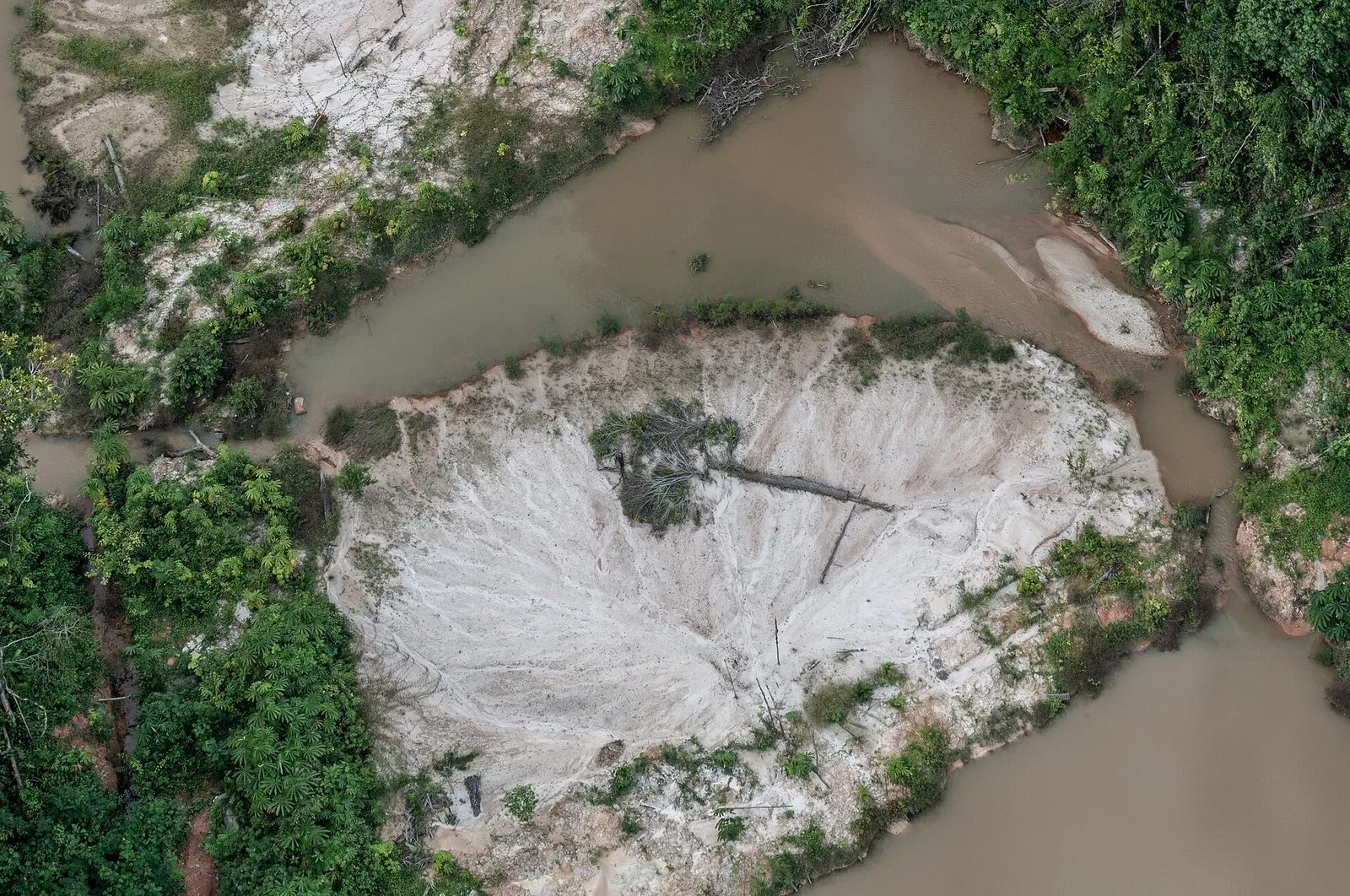
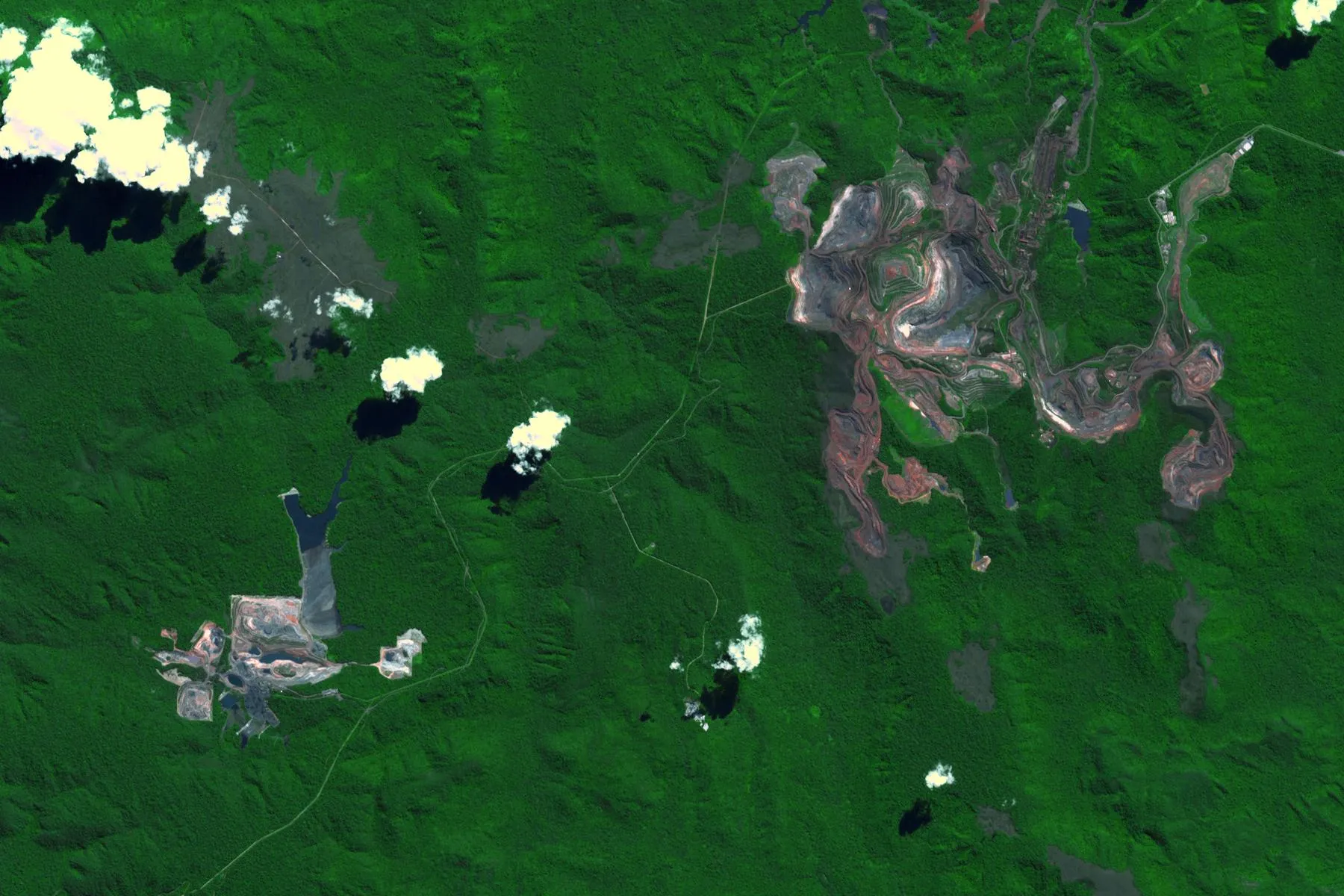
Lithium in the Jequitinhonha Valley: opportunities and problems
Lithium in Brazil's Jequitinhonha Valley: investment, GDP and royalties on one side; dust, cracked houses, water and quilombola consultation on the other.
Translated from the original article in Portuguese. Read the original.
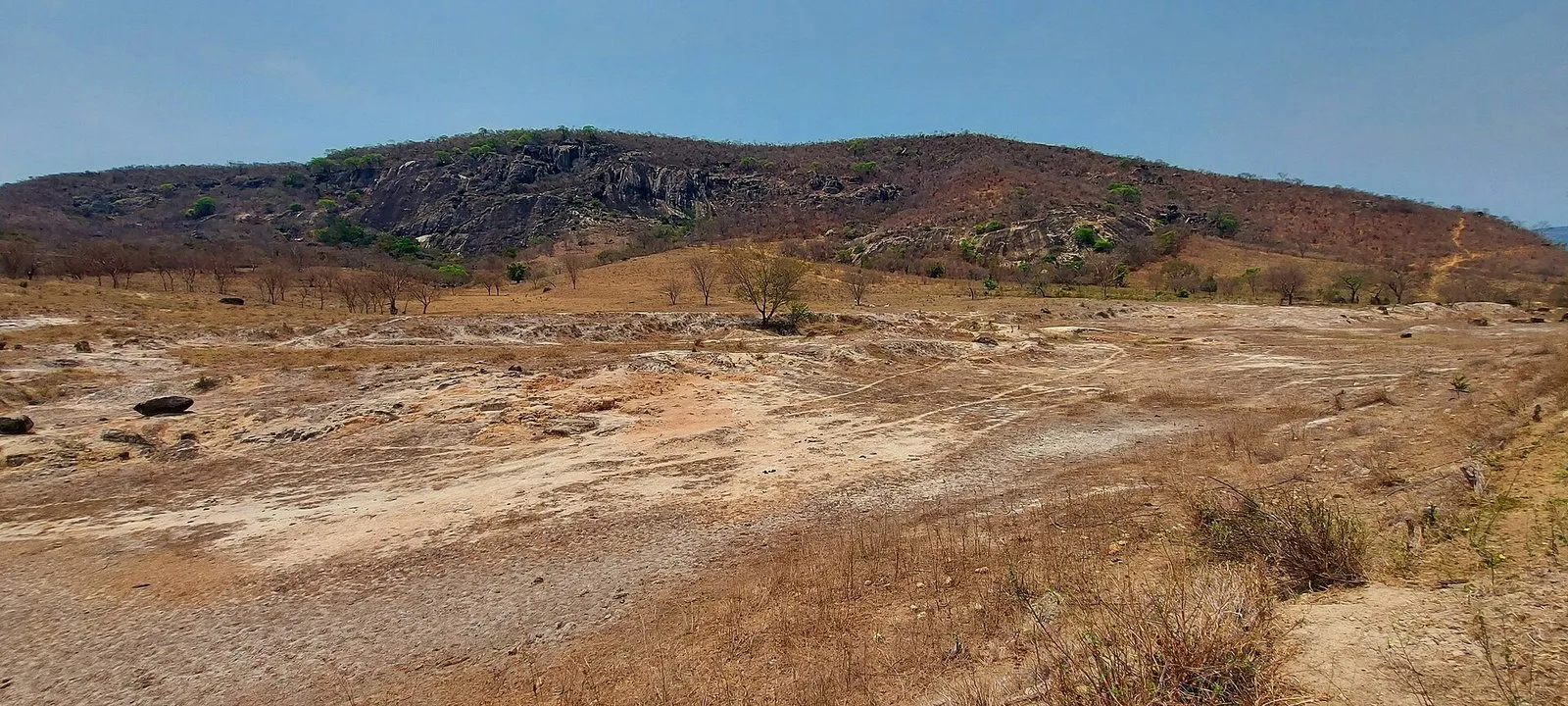
Lithium in the Jequitinhonha Valley, in the northeast of Minas Gerais (a state in southeastern Brazil), has brought investment, royalties and a jump in the GDP of the towns of Araçuaí and Itinga. It has also brought complaints about dust, noise, houses cracked by blasting, worries about water and a court battle over consulting quilombola communities (communities descended from people who escaped slavery). Both sides are real. Here, every figure comes with its source: a government body, a news report or a company.
In short
- The lithium mines operating in the Valley are in Araçuaí and Itinga: the CBL mine, which is underground, and the Sigma mine, which is open pit, according to the ANM (Brazil’s National Mining Agency).
- According to the Minas Gerais state government, the Lithium Valley project has attracted R$ 6.9 billion (Brazilian reais) in private investment since 2023. IBGE data show that Araçuaí’s GDP doubled between 2021 and 2023.
- Residents living next to the Sigma mine report dust, noise and cracks. A report by the Minas Gerais Public Prosecutor’s Office, cited by Agência Pública, says 50% of those interviewed report cracks in their homes.
- The MPF (Brazil’s Federal Public Prosecutor’s Office) says 248 traditional and quilombola communities in 19 municipalities in the Valley are affected, and it is demanding prior consultation.
- In 2026, the Sigma mine had its activities suspended by the environmental agency and by the courts, and then resumed operations. The company denies any wrongdoing.
Where the Jequitinhonha lithium is
The Valley’s lithium comes from spodumene, a mineral found in rocks called pegmatites (the basics about the metal are in What is lithium, what it is used for and where Brazil produces it). According to Brazil’s National Mining Agency (ANM), two mines in the region produce spodumene concentrate:
| Mine | Company | Municipality | Mining method |
|---|---|---|---|
| Mina da Cachoeira | Companhia Brasileira de Lítio (CBL) | Itinga and Araçuaí | underground |
| Grota do Cirilo | Sigma Mineração (Sigma Lithium) | Itinga | open pit |
Source: ANM, Sumário Mineral 2025. News reports and court decisions place the Sigma complex between Itinga and Araçuaí.
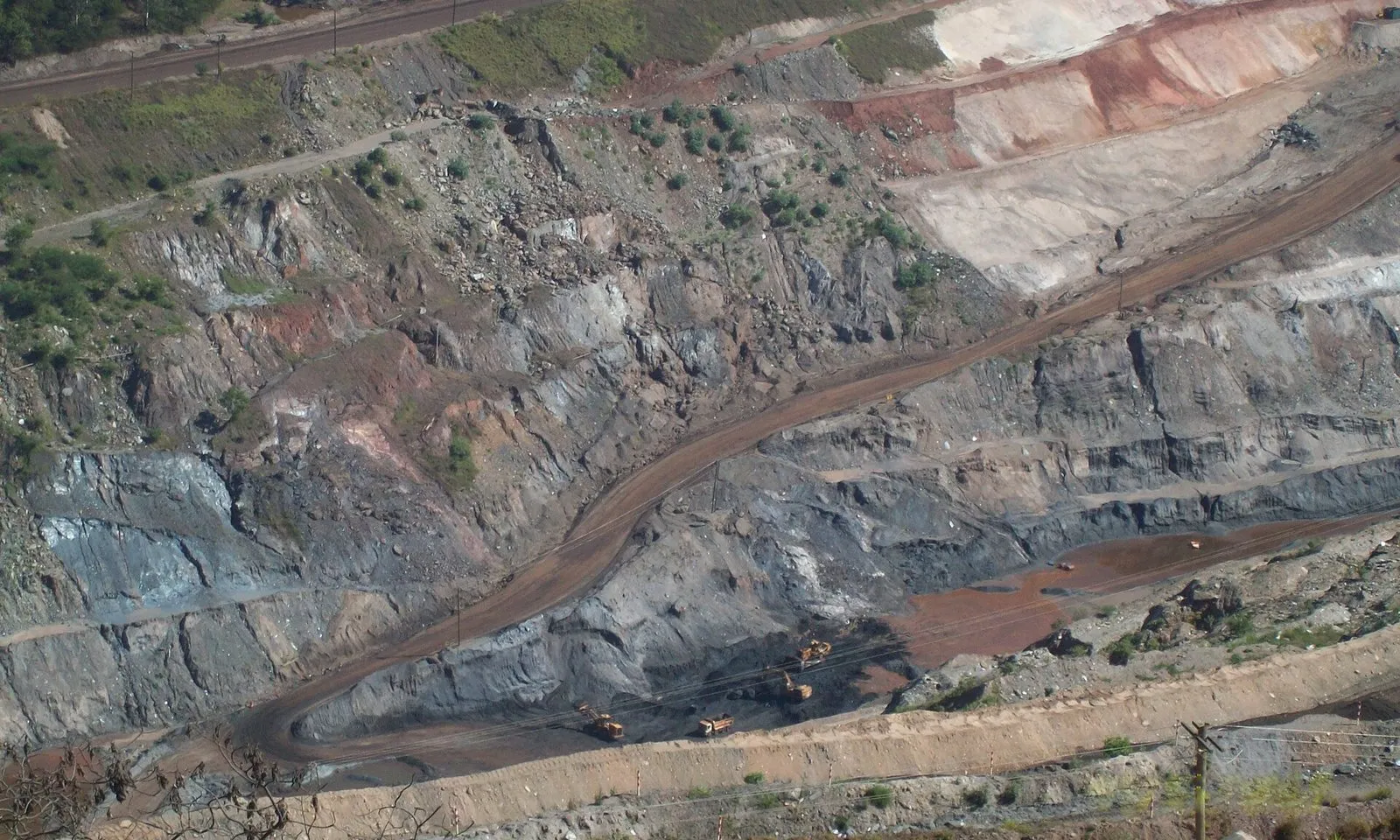
The difference in method matters in the debate: open-pit mining digs a pit at the surface, with blasting and large piles of rock with no value (the waste rock). Learn more in Open-pit or underground mining: what are the differences.
According to IBGE’s 2022 Census (IBGE is Brazil’s national statistics institute), Araçuaí had 34,297 inhabitants and Itinga, 13,745. CBL says it has operated in the Valley for more than three decades. Sigma arrived in the region in 2012 and started producing in 2023, according to Agência Pública.
The opportunities: investment, GDP and royalties
Investment. In 2023, the Minas Gerais government launched the Lithium Valley project in New York, at the Nasdaq stock exchange, to attract mining companies. According to Agência Minas, the state government’s news agency, by May 2026 the initiative had attracted R$ 6.9 billion in private investment, with about 6,000 jobs expected.
GDP. IBGE data confirm the jump cited by the government. Between 2021 and 2023, in current values (not adjusted for inflation):
| Municipality | GDP 2021 | GDP 2023 | Change |
|---|---|---|---|
| Araçuaí | R$ 520.0 million | R$ 1.08 billion | +108% |
| Itinga | R$ 148.3 million | R$ 283.6 million | +91% |
Source: IBGE, GDP of Municipalities.
GDP measures the value produced in a municipality. On its own, it does not show how much of that wealth stays with residents.
Royalties. Mining companies pay the CFEM, Brazil’s financial compensation for mineral extraction, which works like a royalty. According to Agência Pública, using ANM data, Sigma paid R$ 9.5 million in 2023, R$ 12.5 million in 2024 and nothing in 2025, the year it faced the fall in lithium prices. Itinga received only 10% of the R$ 11.2 million in royalties it expected for 2025. Across Brazil, lithium CFEM fell 56.3% in 2024, to R$ 24.1 million, driven by prices, according to the ANM.
The mayors of Araçuaí and Itinga support mining, according to Agência Pública. The mayor of Araçuaí spoke of “a paradox of good and bad things”: more jobs and investment, but also pressure on rents, health care and education.
The problems reported
Dust, noise and cracks
The community mentioned most often is Piauí Poço Dantas, right next to the Sigma mine, between Araçuaí and Itinga. According to Agência Pública, residents blame the cracks in their houses on blasting and complain of breathing problems and trouble sleeping.
The report cites a study by the Minas Gerais Public Prosecutor’s Office (MPMG) based on interviews with affected residents:
- 100% say they are affected by noise; 70% consider it loud or very loud;
- 76% complain about dust, and 55% point to an impact on their health;
- 89% say they feel the blasts;
- 50% report cracks in their homes.
These are the perceptions of the people interviewed, not measurements. In May 2026, in an injunction (a provisional decision), a state judge wrote that residents’ accounts showed “a picture of massive violation of human dignity,” according to Bloomberg Línea.
Sigma disputes this. According to a company statement cited by Bloomberg Línea in June 2026, evidence gathered by independent experts refuted the prosecutors’ allegations. How these impacts are usually controlled is covered in Environmental impacts of mining: what they are and how they can be reduced.
Water
Water is a sensitive issue, especially during dry spells. According to the MPF, a technical report by the agency found shortcomings in the Environmental Impact Study (EIA) submitted by Sigma in 2021. The concern is the lowering of the water table to open the pits and its effect on the Ribeirão Piauí, the main water source for nearby residents, according to the report.
Sigma says on its website that it does not use drinking water, has no tailings dam and does not use hazardous chemicals. According to Agência Pública, the company delivers water to residents of Poço Dantas, who complain about its quality.
Science still has gaps. According to the magazine Pesquisa FAPESP, a 2025 study found aluminum in water above the drinking-water limit in samples from 2008 and 2009 near Araçuaí and Itinga, before Sigma began production, but with values near the mine similar to those in the rest of the region. The finding calls for monitoring, but it does not separate what is natural from what comes from mining.
Traditional communities and prior consultation
In September 2025, Brazil’s Federal Public Prosecutor’s Office (MPF) recommended that the ANM suspend and review the permits for lithium exploration and extraction in Araçuaí and neighboring towns. According to the MPF:
- 248 communities in 19 municipalities in the Valley were identified as affected, because of overlapping mining claims or mining infrastructure;
- they were not heard through free, prior and informed consultation, a right set out in Convention 169 of the International Labour Organization (ILO);
- the ANM told the MPF that mining legislation does not provide for this consultation, a position the MPF disputes.
Licenses in court: the back-and-forth of 2026
The Grota do Cirilo mine was licensed by the Minas Gerais government (the step-by-step of this process is in Environmental licensing of mining: how it works, step by step). In 2026, the licenses became the target of several decisions:
- May. In a lawsuit filed by the MPMG, a state judge ordered Sigma to deposit R$ 50 million to guarantee possible compensation, to suspend noisy activities between 10 p.m. and 6 a.m. and to fund health measures, according to Bloomberg Línea.
- June. According to Sigma, the Minas Gerais Court of Justice overturned that decision.
- July and August. The environmental authority embargoed the mine after an inspection carried out at the end of May found violations, according to Bloomberg Línea. The company denied wrongdoing and resumed operations in August, after an agreement with the state.
- September. The federal court in Teófilo Otoni suspended the licenses at the request of the Federation of Quilombola Communities of Minas Gerais (N’Golo). The central issue is the distance to the Quilombo do Baú: Sigma says the mine lies outside the 8 km radius that requires specific studies; the National Institute for Colonization and Agrarian Reform (Incra) put it at 2.3 km from the directly affected area, according to Diário do Comércio. The State Environmental Foundation (Feam) published the suspension on September 24.
- October. The Federal Regional Court of the 6th Region (TRF-6) reinstated three licenses, and Sigma announced a full restart on October 6. The expansion license remains suspended until an expert assessment determines the distance to the quilombo, according to Diário do Comércio.
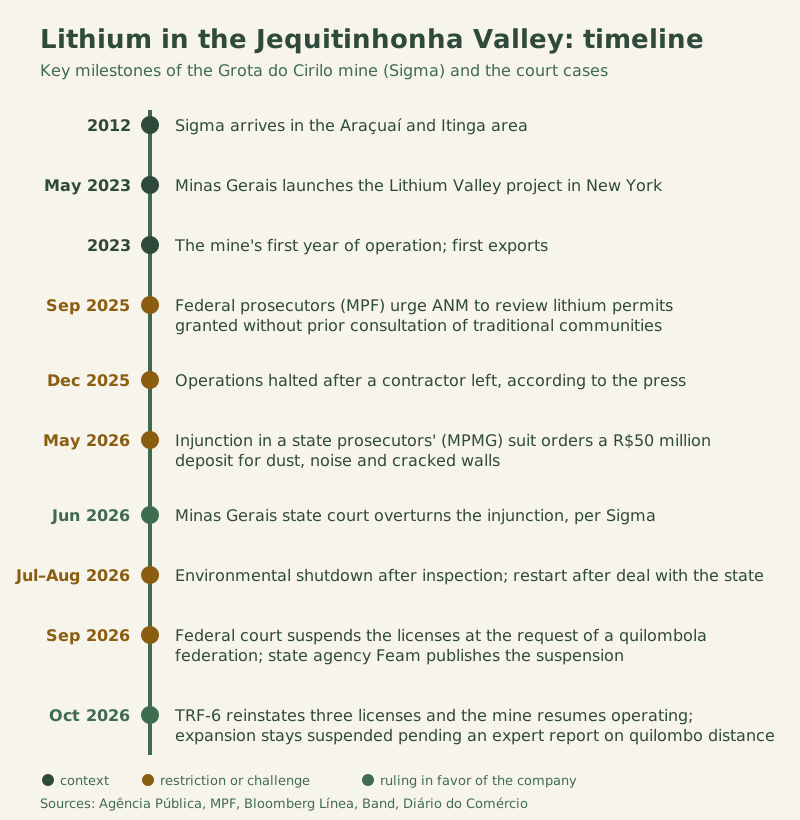
The cases are still ongoing, and provisional decisions may change.
What the case teaches
Royalties and jobs depend on price and production, which fluctuate; the impacts on neighbors show up while the mine is operating. That is why the debate in the Valley revolves around well-done licensing, independent monitoring and consultation with communities. The demand driving this lithium is covered in The minerals in electric cars: from the battery to the motor, and other controversial issues in the sector in Mining myths and facts.
Frequently asked questions
Has lithium mining brought development to the region?
It brought investment and nearly doubled the GDP of Araçuaí and Itinga between 2021 and 2023, according to IBGE. But royalties have fluctuated with the price of lithium, and neighboring residents report impacts.
Why is there talk of cracks in houses?
Residents of communities next to the Sigma mine blame the cracks on blasting. In an MPMG report cited by Agência Pública, 50% of those interviewed report the problem. Sigma disputes this and says independent experts refuted the allegations.
What is prior consultation and why did it come into the case?
It is the right of Indigenous peoples, quilombolas and traditional communities to be heard before projects that affect them, set out in ILO Convention 169. The MPF and a quilombola federation say it was missing; Sigma says the mine lies outside the area that requires it.
Is the Sigma mine operating?
According to Diário do Comércio, Sigma resumed operations on October 6, 2026, after the TRF-6 reinstated three licenses. The expansion remains suspended until an expert assessment of the distance to the Quilombo do Baú.
Found this article useful? Share it with someone who also wants to understand mining.
Share
Sources
- ANM – Sumário Mineral 2025: Lítio (Mineral Summary 2025: Lithium, base year 2024)
- Agência Minas (Government of Minas Gerais) – Lithium Valley turns three, marked by GDP growth in Jequitinhonha municipalities (May 9, 2026)
- IBGE – 2022 Demographic Census, resident population (Sidra, table 4709), Araçuaí and Itinga
- IBGE – GDP of Municipalities, GDP at current prices 2021 and 2023 (Sidra, table 5938), Araçuaí and Itinga
- Agência Pública – Lithium mining in Jequitinhonha has more cracked houses than kept promises (December 16, 2025)
- Federal Public Prosecutor's Office (MPF) – MPF recommends prior consultation of traditional peoples and suspension of lithium mining in the Jequitinhonha Valley (September 9, 2025)
- Bloomberg Línea – Judge orders Sigma to deposit R$ 50 million for damages from lithium mine in Minas Gerais (May 18, 2026)
- Bloomberg Línea – Sigma wins in court and reduces risk to expand lithium mining in Brazil (June 9, 2026)
- Bloomberg Línea – Court suspends licenses and halts activities at Sigma Lithium mine in Minas Gerais (September 6, 2026)
- Diário do Comércio – Federal court halts activity at lithium mine in Minas Gerais (September 7, 2026)
- Band – Feam suspends environmental licenses in the Jequitinhonha Valley (September 24, 2026)
- Diário do Comércio – Sigma Lithium resumes operations in the Jequitinhonha Valley (October 6, 2026)
- Pesquisa FAPESP – Lithium mining increases soil and water contamination in Minas Gerais (December 13, 2025)
- Sigma Lithium – corporate website (accessed October 26, 2026)
- Companhia Brasileira de Lítio (CBL) – corporate website (accessed October 26, 2026)
Comments
No comments yet. Be the first to comment.